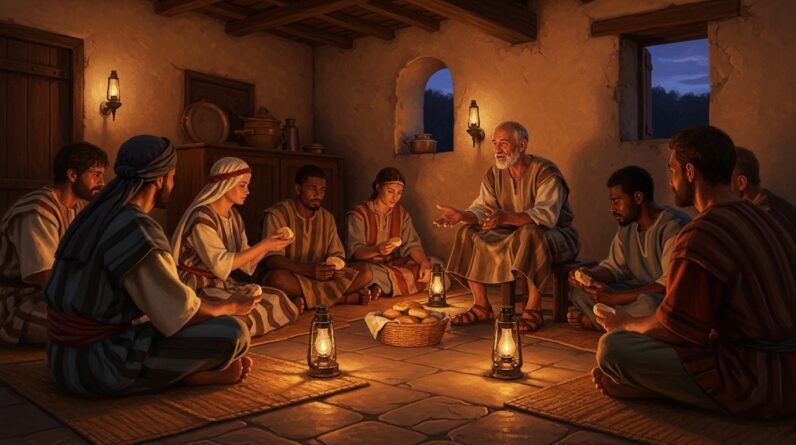


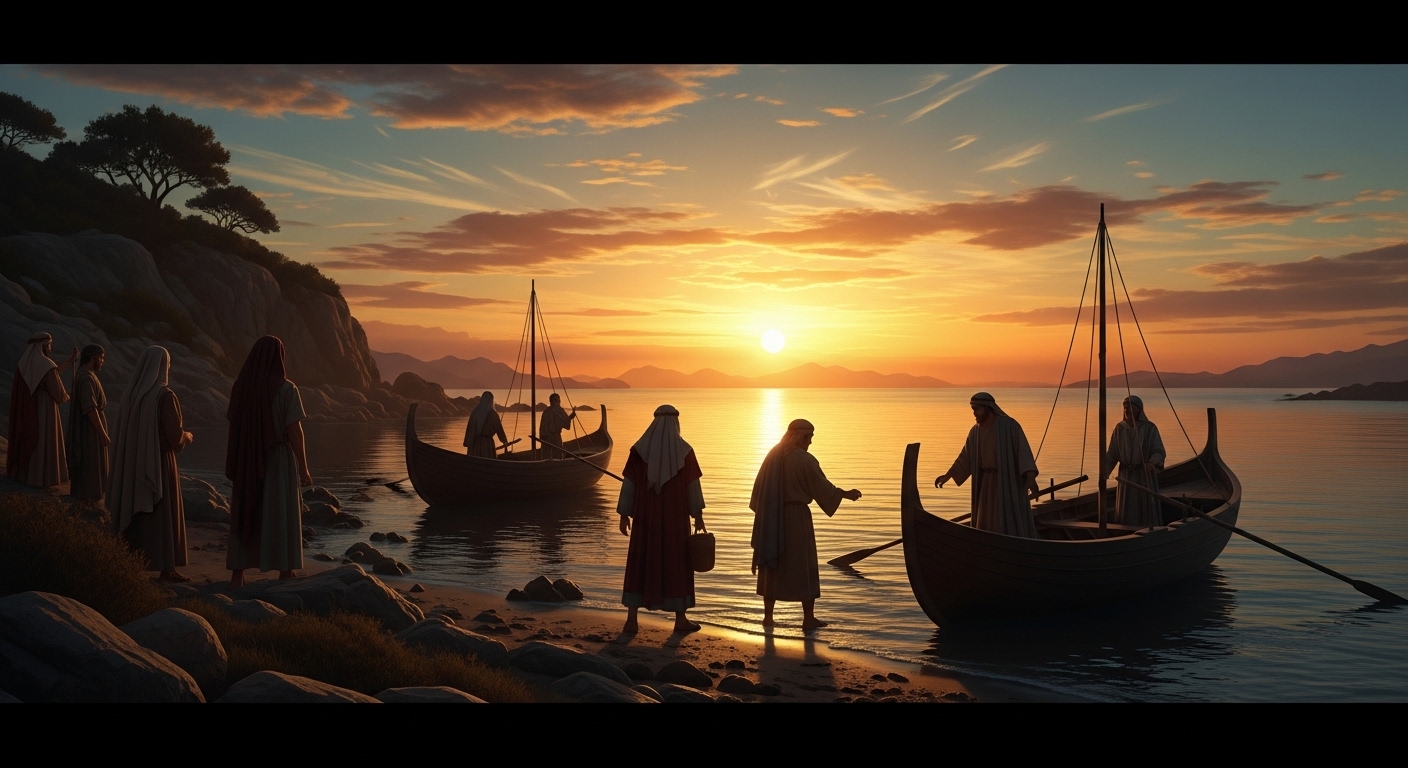
After Jesus’ resurrection and ascension, a new chapter began for the people who had walked, eaten, argued, and fumbled their way beside Him. If you’ve ever wondered what the apostles did next, where they went, and how their stories ended, you’re in the right place. This article walks you through what the New Testament and early Christian tradition tell us, explores the meaning behind their mission, and helps you apply their example to your life today.
You’ll see that the apostles weren’t perfect, but they were transformed. Once fearful and uncertain, they became bold witnesses who carried the message of Jesus to the edges of the known world. Their paths took them into trial and often into martyrdom, but their legacy shaped the church—and still invites you to take part in the mission.

Introduction: From Followers to Witnesses
The end of Jesus’ earthly ministry didn’t mean the end of His influence. Instead, His departure marked the beginning of a mission that would change the world. You can read the pivotal promise in Acts 1:8: “You will receive power when the Holy Spirit comes on you; and you will be My witnesses…”
That promise didn’t just apply to the eleven who stood with Jesus on the mountaintop; it applies to you too. After the ascension, the disciples returned to Jerusalem, prayed together, and waited for the Spirit. What follows is not only a story of expansion and sacrifice—it’s an invitation for you to live under the same empowering Spirit and to bear witness where you are.
The Key Bible Passage: Acts 1:8
Before you go deeper, pause with this verse: Acts 1:8. Jesus tells His disciples that they will receive power from the Holy Spirit and be His witnesses in Jerusalem, Judea, Samaria, and to the ends of the earth. That structure—start local, then expand outward—helps explain their early strategy and your calling today.
When you read this, imagine the confidence behind the words. The mission isn’t about human might; it’s about Spirit-empowered witness. That’s a theme you’ll see again and again in the apostles’ journeys.
Empowered by the Holy Spirit
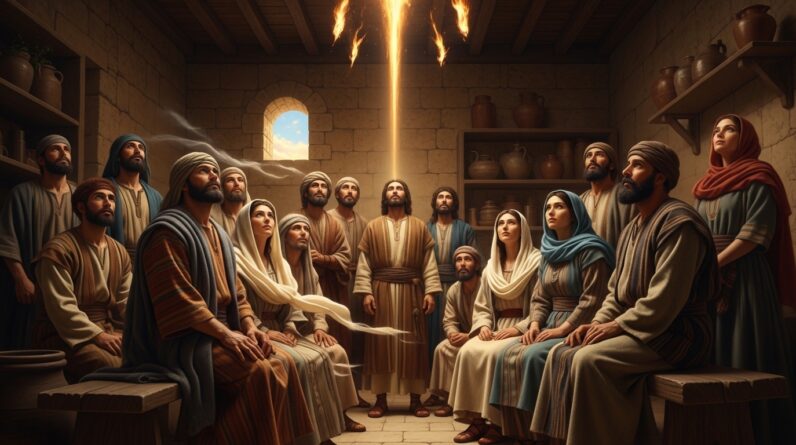
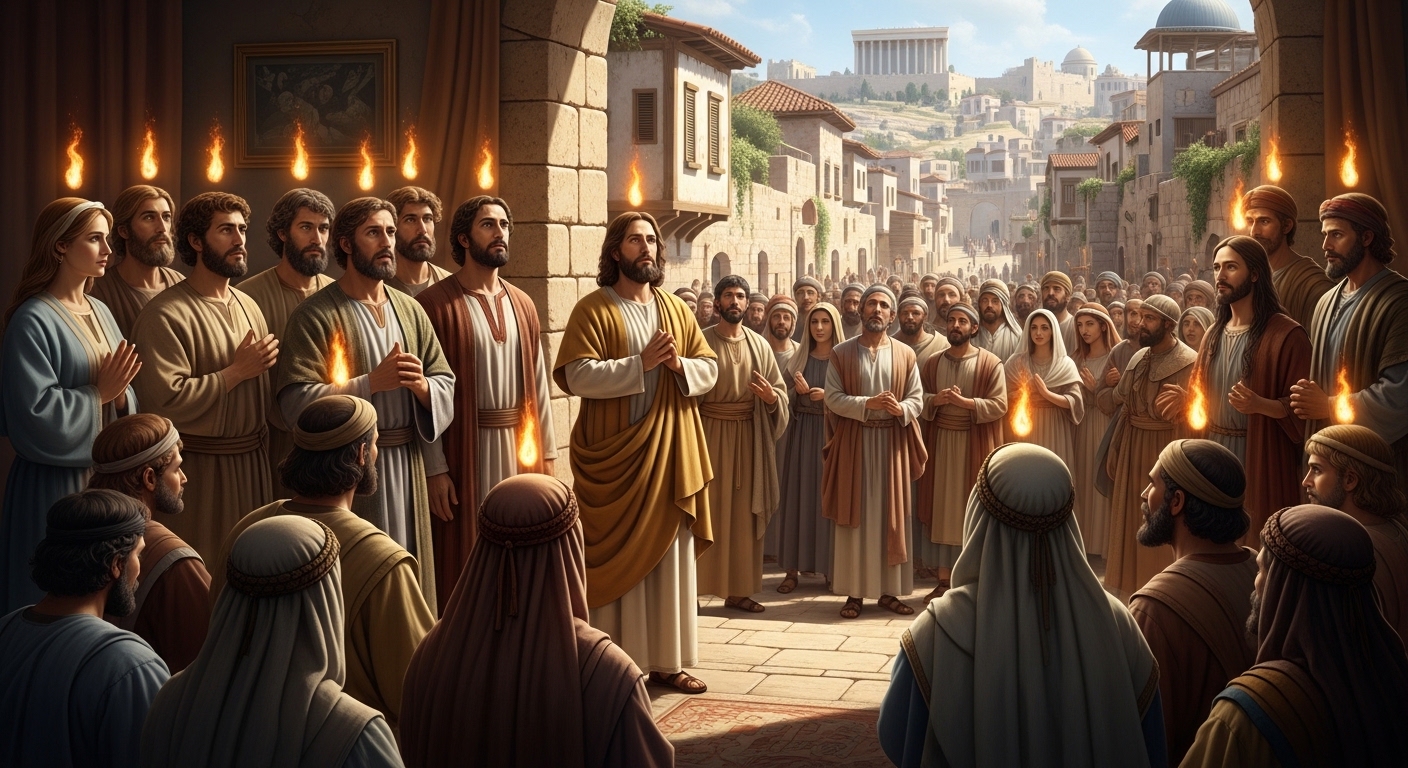
The turning point for the apostles was Pentecost, when the Holy Spirit came dramatically. The disciples moved from hidden fear to bold proclamation. You can read the Pentecost account in Acts 2 to see how tongues of fire and courage accompanied a flood of new people hearing the gospel.
After Pentecost, the apostles spoke with authority and clarity. Peter, who had denied Jesus, now stood up to proclaim Christ in public—and thousands responded. The Spirit didn’t remove their flaws, but it changed their hearts, opened their mouths, and gave them direction. When you consider your own calling, you don’t have to rely on your own courage; the Spirit equips you for witness, just as He did them.
They Spread the Gospel Everywhere
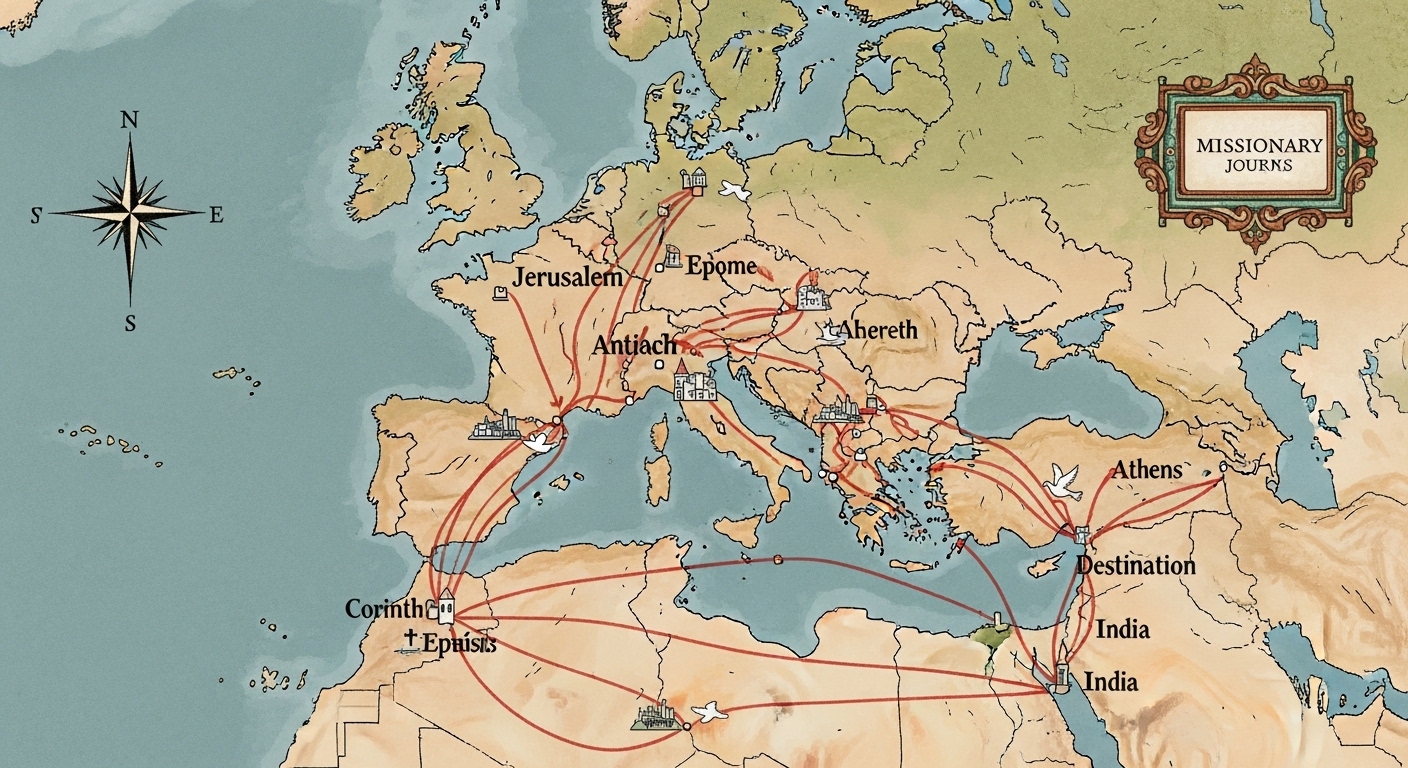
Jesus’ commission—“Go into all the world and preach the gospel to all creation”—is recorded in Mark 16:15. The apostles took that mandate seriously. Their movement followed a pattern: start in Jerusalem, move into Judea and Samaria, and then press outward to Gentile lands. That geographical framework is the spine of the early church’s expansion.
You’ll find apostles traveling to major urban centers (like Antioch and Rome), to port cities along the Mediterranean, and to remote regions beyond the empire’s borders. They taught in synagogues, marketplaces, private homes, and public squares. Their missionary strategy wasn’t slick marketing; it was relational, sacrificial, and persistent. When you think of sharing your faith, remember that witness often looks like steady presence, patient teaching, and consistent love in your immediate circles—then reaching further when doors open.
Many-Faced Persecution
Jesus warned His followers, “If they persecuted Me, they will persecute you also” (John 15:20). That prophecy proved true for the apostles. As the gospel challenged religious leaders and social norms, opponents responded with hostility—ranging from verbal abuse to imprisonment to execution.
Persecution forced the early church to refine its convictions. Instead of silencing them, the opposition often spread their message further. Some apostles were imprisoned and miraculously released; others were beaten and silenced; many endured exile or exile-like conditions. When hardship comes into your life for standing with Christ, you’re in a long line of people who were tested and found faithful.
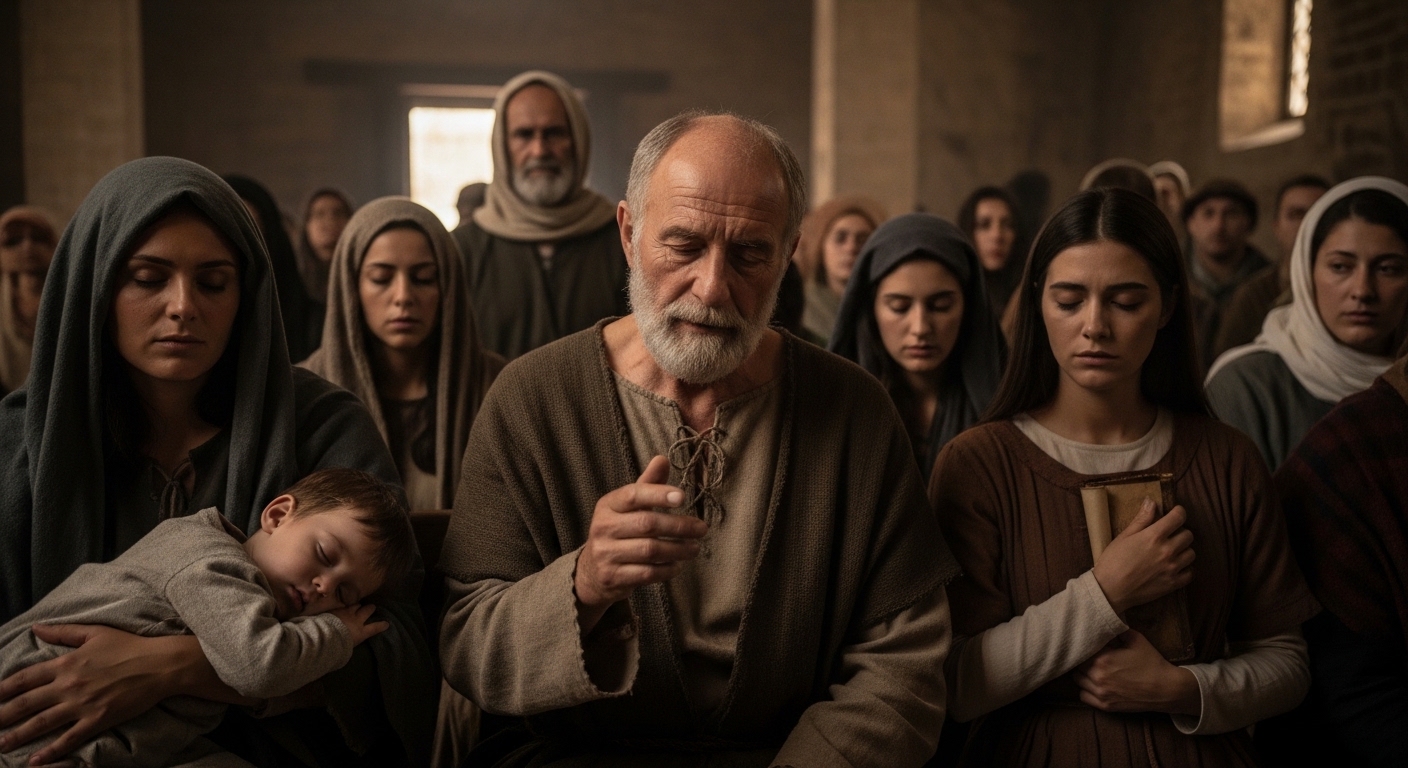
Most Died as Martyrs
Tradition holds that most of the original apostles suffered martyrdom for their witness. You may already know some of these accounts: Peter is traditionally said to have been crucified upside down; James, son of Zebedee, was put to death by the sword; Paul—though not one of the twelve—was executed in Rome. These accounts come from a mix of Scripture, early historians, and church tradition.
Martyrdom wasn’t the goal, but it became a testimony to the depth of the apostles’ convictions. Their willingness to suffer and die for the gospel gives you a vivid example of commitment: their lives show that following Jesus can demand everything. You’re not asked to seek martyrdom, but you are invited to a faith that’s willing to risk reputation, comfort, and sometimes safety for the sake of truth.
Where Did the Apostles Go? A Survey of Traditions and Records
Below, you’ll find a snapshot of what tradition and historical records say about where each apostle traveled and how their ministry developed after Jesus. Some details are well-attested; others are debated among scholars. Read them as faithful traditions that have shaped Christian memory—and as invitations to humility about what we can be sure of.
Peter
Peter emerges as a central leader in the early chapters of Acts. After ministering in Jerusalem and Judea, church tradition places him in Antioch and then Rome. Many early Christian writers (like Clement of Rome and Tertullian) assert that Peter was martyred in Rome during Nero’s persecution, reportedly crucified upside down at his own request because he did not feel worthy to die the same way as Jesus. Whether in leadership or martyrdom, Peter’s story is one of transformation from denial to bold leadership.
John
John, the “beloved disciple,” had a long ministry. Tradition says he remained in Asia Minor (modern-day Turkey), particularly in Ephesus. He is associated with the Gospel of John, three epistles, and Revelation. Unlike some apostles, John is traditionally thought to have died a natural death late in life, though he endured exile on the island of Patmos, where he received the visions recorded in Revelation.
James (son of Zebedee)
James, the brother of John, is the first apostle recorded as being martyred in the New Testament. Acts 12:2 reports that Herod Agrippa I had him killed with the sword. His early death removed a major figure from the apostolic circle but also underscored the dangerous stakes of public witness.
(Link for Acts 12:2: Acts 12:2)
Andrew
Andrew, Peter’s brother, is said by tradition to have preached in regions around the Black Sea, including Scythia (roughly modern Ukraine and southern Russia) and Greece. Church tradition claims he was martyred on an X-shaped cross (often called St. Andrew’s Cross) in Patras, Greece. His travels portray a heart for reaching people beyond Jewish contexts into Gentile territories.
Philip
Philip appears in Acts as an evangelist who traveled in Samaria and along the coastal regions. Tradition adds that he later ministered in Phrygia and was martyred in Hierapolis. The Gospel narratives show Philip as a bridge-builder—engaging Samaritans and Ethiopian officials—pointing to an inclusive gospel mission.
Bartholomew (Nathanael)
Bartholomew is often identified with Nathanael, who appears in the Gospel of John. Traditions vary widely: some place him in Armenia, others in India, Ethiopia, or Mesopotamia. Many sources claim he faced martyrdom—one account describes him being flayed and then beheaded. The diversity of traditions highlights how the early Christian story spread into many regions.
Matthew
Matthew, a tax collector turned disciple, is traditionally linked to Christian activity in Ethiopia and possibly other parts of Africa and the Near East. Some traditions suggest he wrote the Gospel of Matthew early in the life of the church. His life models how a person’s past can be redeemed for kingdom service.
Thomas
Thomas is famous for his initial doubt and later fierce confession. Tradition places him traveling eastward to India, where he established Christian communities along the Malabar Coast. The church in India (the St. Thomas Christians) traces its roots to his mission, and many accounts claim he was martyred there. If you’re inspired by cross-cultural risk-taking, Thomas’ story is a powerful example.
James (son of Alphaeus)
James the Less (or son of Alphaeus) is one of the more obscure apostles. Tradition links him to preaching in places like Egypt and Persia, though details are sparse. Some sources suggest he was martyred in Jerusalem. His quiet presence in the lists of apostles reminds you that faithful service doesn’t always mean celebrity.
Thaddeus (Jude)
Jude (also called Thaddeus or Judas son of James) is credited in tradition with missions in Syria and Persia. He is often linked with a tradition of martyrdom. Jude is sometimes associated with the short Epistle of Jude, which urges believers to persevere and guard the faith.
Simon the Zealot
Simon’s nickname (the Zealot) suggests strong Jewish nationalist sympathies before following Jesus, but tradition says he too embraced missionary work after Pentecost, traveling to places like Persia and Britain according to various accounts. His post-biblical story is another reminder that followers of Jesus can come from diverse backgrounds.
Matthias
Matthias was chosen in Acts 1 to replace Judas Iscariot as one of the twelve. Tradition about his later ministry is varied—some place him in Judea, others in Ethiopia. The biblical record falls silent after his appointment, but the choice of Matthias underscores the importance of continuity and faithful leadership in the earliest church.
Paul (the Apostle to the Gentiles)
Though not one of the original twelve, Paul is indispensable for understanding the spread of Christianity beyond Jewish contexts. Converted after Jesus’ ascension, Paul embarked on multiple missionary journeys across Asia Minor and Europe, planted numerous churches, and wrote many epistles that shaped Christian theology. Tradition and many historical scholars hold that Paul was executed in Rome (often dated to Nero’s persecution). His letters, preserved in the New Testament, continue to instruct and challenge you today.
Traditions vs. Historical Certainty
You’ll notice a pattern as you read these accounts: some details come from the New Testament; many come from later church tradition and early historians like Eusebius, Clement of Rome, and others. For several apostles, exact destinations or circumstances of death are debated. Oral tradition filled gaps where written evidence was scarce. That’s not a weakness so much as a reality of ancient history.
You need to hold two truths together: the apostles’ witness is historically powerful and the specifics of each apostle’s end are sometimes uncertain. The core facts—Pentecost, missionary movement, growth of the church, and that many apostles were persecuted—are well-supported. The precise map of every journey is often a tapestry woven from Scripture, early testimony, and later tradition.
Their Legacy Continues Today
The New Testament describes the church as “built on the foundation of the apostles and prophets” (Ephesians 2:20). That image reminds you that the apostles’ teaching and witness created a foundation for communities that would last centuries. Churches, creeds, and writings flowed from their testimony, making it possible for you to read the gospel and participate in the faith centuries later.
Their legacy isn’t static museum-piece history. It’s living. The doctrines they helped clarify, the communities they planted, and the courage they displayed shape how Christians worship, practice, and serve today. When you read Scripture, pray, or care for your neighbor, you participate in that ongoing legacy.
How You Can Apply the Apostles’ Example
The apostles’ lives are not just historical curiosities; they offer practical lessons for you.
- Rely on the Spirit. The apostles were empowered, not self-made. You don’t have to muster all courage on your own; ask for and trust the Spirit.
- Start local, then go further. They began in their own city and expanded outward. Your first mission field is often your home, workplace, or neighborhood.
- Expect resistance. Persecution or rejection may come, but firmness in love and truth carries weight.
- Live sacrificially. The apostles often gave up security and comfort. You might not be asked to die for your faith, but you will be invited to give up convenience for obedience.
- Build community. They worked in teams and gathered churches. Your spiritual growth and witness thrive in community.
As you apply these lessons, you’re continuing the apostles’ mission in your context.
Simple Reflection Questions
Take a moment to reflect:
- Are you living boldly like the apostles, or is fear holding you back?
- Do you rely on the Holy Spirit for strength, or on your own abilities?
- How are you sharing your faith—through words, actions, or both?
- What step of sacrificial obedience might God be calling you to now?
Answering these honestly will help you move from admiration to imitation.
 Internal Resources to Explore
 Internal Resources to Explore
To see how the apostles’ story connects to Jesus’ life and the early church, explore these related guides and articles that dive deeper into the context and consequences of their mission:
- Main Hub: The Life of Jesus Timeline (Birth to Ascension Explained – Full Story Guide)
- Related Articles:
- Resurrection Timeline (What Happened After Jesus Rose From the Dead)
- Ascension → Acts (What Happened After Jesus Returned to Heaven)
- Pentecost Explained (What Happened + Why It Matters Today)
- The Early Church Explained (How Christianity First Spread)
These resources will help you place the apostles’ activity within the fuller story of Christian origins.

Conclusion: The Story Continues With You
The apostles didn’t simply follow Jesus for a season—they carried His message into the world and lived out a faith that cost them everything. Their stories teach you about reliance on the Holy Spirit, the global reach of the gospel, the inevitability of opposition, and the power of sacrificial witness. Whether you resonate more with Peter’s boldness, John’s contemplative love, Paul’s theological rigor, or Thomas’ outward risk-taking, their lives invite you to participate.
Their mission didn’t end with them; it continues through ordinary people like you who live, love, and speak in Jesus’ name. As you step into that mission, remember that the same Spirit who empowered the apostles is at work in you.
Closing Prayer
Lord, thank You for the example of the apostles and for the power of the Holy Spirit. Help me to live boldly, trust You fully, and share Your truth with others. Give me courage to follow You no matter the cost, and grant me wisdom to serve faithfully in the place You’ve put me. In Jesus’ name, Amen.