


If you’re new to Christianity, you may have seen or heard about Communion—but not fully understood it. You might have watched others eat a piece of bread and sip a small cup and wondered, “Why do they do that?” or “What does this mean for me?” Communion is a simple practice with deep spiritual meaning, and this guide will walk you through what it is, why Christians practice it, and how you can participate with a sincere heart.
This article will help you understand the biblical basis for Communion, what the elements represent, how to prepare your heart, common questions new believers ask, and how Communion connects you with the broader story of Jesus. You’ll get practical steps for participating and reflection prompts to make the experience meaningful.
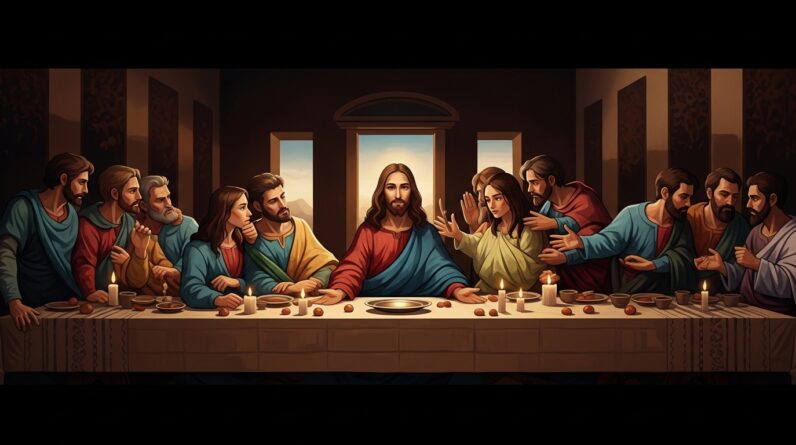
Key Bible Passage: The Last Supper
A foundational passage for Communion is the account of the Last Supper where Jesus shares bread and wine with His disciples and gives them a new meaning. Read the passage for yourself: Luke 22:19–20. In these verses, Jesus says the bread is His body and the cup is the new covenant in His blood.
This moment happens just before Jesus’ crucifixion. It’s both intimate and dramatic: He takes ordinary food and transforms its meaning into a powerful, ongoing practice for His followers. When you engage in Communion, you’re entering into that same memory and meaning.
✝️ What Is Communion?
Communion, also called the Lord’s Supper or the Eucharist, is a practice where Christians eat bread (or a substitute) and drink wine or juice to remember Jesus’ sacrifice. The elements are symbolic: the bread represents Jesus’ body and the cup represents His blood. Through this simple meal, you remember the cross, reflect on God’s love, and renew your faith.
Communion is more than a ritual; it’s a personal and communal moment with God and other believers. When you take Communion, you participate in a practice Jesus Himself instituted and instructed His followers to continue. The act is meant to call your attention away from the routine of life and toward the reality of God’s grace.
The Biblical Instruction to “Remember”
Jesus commanded His followers to keep Communion as an act of remembrance. See His words recorded in Scripture: 1 Corinthians 11:24 — “Do this in remembrance of Me.” That brief instruction anchors the practice in memory.
When you take Communion, you are actively remembering Jesus—His life, teaching, death, and resurrection. This remembrance isn’t meant to be a passive recall but a living memory that shapes how you live, love, and worship.
1. Communion as a Reminder of Jesus’ Sacrifice
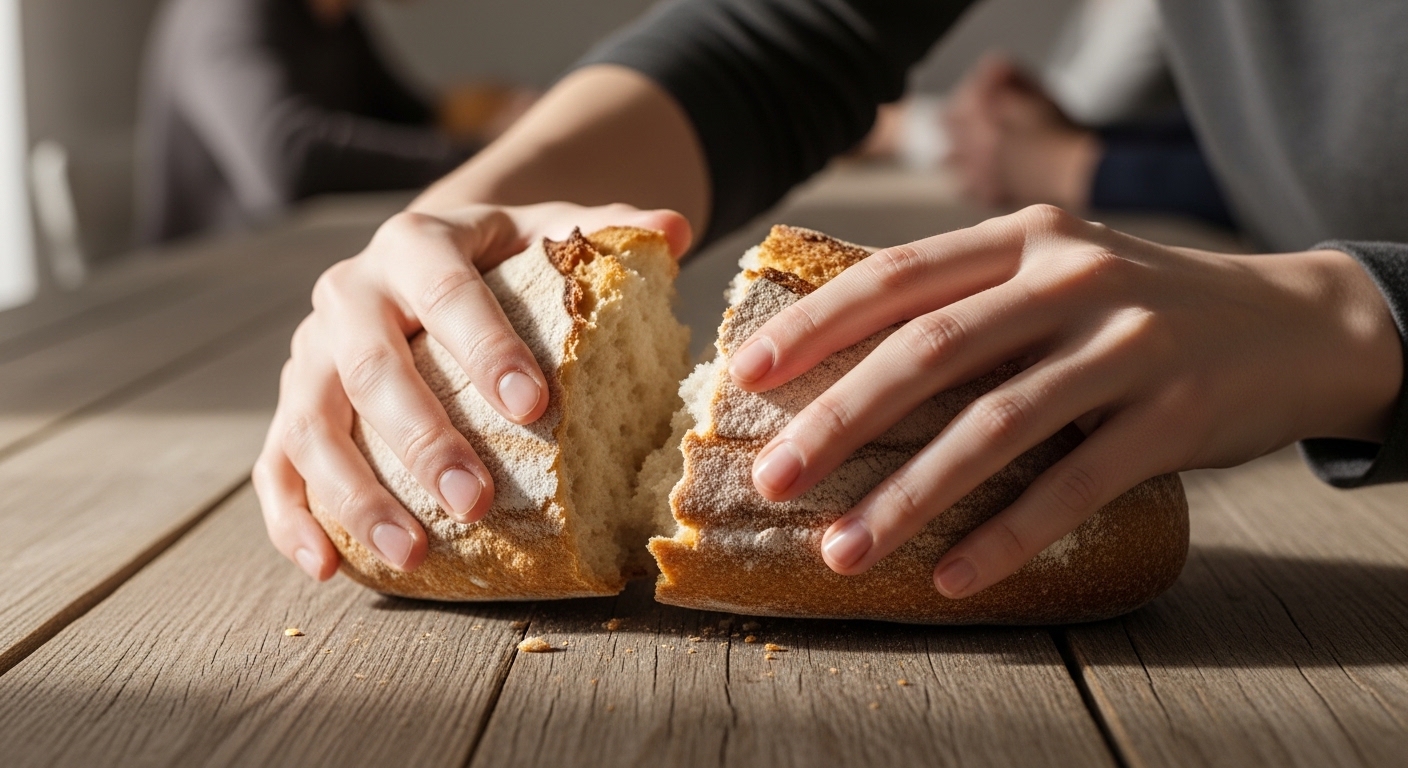
Communion keeps you focused on the cross. When Jesus broke the bread and offered the cup, He was pointing His disciples (and you) back to the ultimate act of love: His sacrifice for sin. Read how Paul recounts Jesus’ words and action: 1 Corinthians 11:24 and the fuller context in 1 Corinthians 11:23–26.
This reminder is not merely historical; it’s deeply personal. Each time you take Communion, you’re invited to reflect on what Jesus’ sacrifice means for your life—your forgiveness, your freedom, and your relationship with God.
Why Remembrance Matters
Remembering is an act of faith. By recalling Jesus’ sacrifice, you acknowledge that you need what He did for you. Communion prompts gratitude and humility, helping you place your life in the light of God’s grace rather than your own efforts. It reorients your heart toward dependence on Christ.
2. Communion as a Symbol of God’s Love
The bread and cup are symbols that point to the depth of God’s love. Jesus gave Himself willingly, and Communion helps you receive that love. When Jesus said the cup is the new covenant in His blood, He highlighted that His death established a new relationship between God and humanity—one based on grace, not merely law. See Luke 22:20 for the phrase “new covenant.”
This sacrificial love is personal. Communion isn’t theological abstraction; it’s an invitation to let God love you. As you take the elements, accept that love and let it change how you view yourself and others.
How to Receive God’s Love Practically
Receiving God’s love through Communion is simple but intentional: come with an open heart, let gratitude replace guilt, and allow the memory of Christ’s sacrifice to shape your response—praise, obedience, and compassion toward others. Communion is a renewing place where you can rest in God’s goodness.
3. Communion as a Moment of Reflection and Renewal
Communion calls you to examine your heart. The Apostle Paul urges believers to examine themselves before participating: 1 Corinthians 11:28. That doesn’t mean perfection is required; it means honesty and a readiness to face God with truth.
Approaching Communion is a chance for self-reflection, confession, and renewed commitment. You can use the moment to acknowledge wrongs, ask for forgiveness, and recommit to following Jesus. It’s a spiritual checkpoint where you take stock of your relationship with God and others.
Practical Steps for Preparing Your Heart
Before Communion, pause and pray. Ask God to reveal anything that blocks fellowship—unforgiveness, pride, or secret sin. Confess honestly, receive God’s forgiveness, and let the meal become a source of spiritual restoration. This preparation makes Communion more than a ritual; it becomes a transforming encounter.
4. Communion as a Practice of Unity
Communion also symbolizes the unity of the body of Christ. Paul explains this connection in 1 Corinthians 10:17 when he writes that because there is one loaf, we, though many, are one body. When you take Communion with other believers, you participate in a shared identity and mission.
This unity is both theological and practical: it means you are connected to Christians around the world and across time. Communion binds you to others in mutual love, accountability, and support.
Living Out Communion’s Call to Unity
To honor the unity Communion represents, approach the table with a heart of reconciliation. If there’s a conflict with someone, Communion can be a moment to forgive and restore relationships. Remembering Christ’s body and blood should move you toward compassion and community.
5. Who Can Take Communion?
Communion is intended for those who believe in Jesus and desire to follow Him. While traditions vary, the common thread is faith in Christ. Many churches welcome all baptized believers, while some practice “open Communion” inviting anyone who professes faith to partake. Others maintain “closed Communion,” reserving the meal for members or those in good standing.
If you’re new to faith, you’re invited to participate sincerely. Focus on the meaning rather than rules. If you’re uncertain about a specific church’s practice, ask the leader or pastor—they’ll welcome your question.
Children and Communion
Practices about children vary. Some churches include baptized children; others wait until children understand the meaning and make a personal profession of faith. If you’re guiding a child, use Communion as a teaching moment—explain the symbolism, read Scripture together, and model reverence and gratitude.
Biblical Background and Early Church Practice
Communion roots reach back to the Last Supper and Old Testament Passover. Jesus’ Last Supper parallels the Passover meal and gives it new meaning in light of His death. See the Gospel accounts in Matthew 26:26–29 and Mark 14:22–24 for how Jesus instituted this practice.
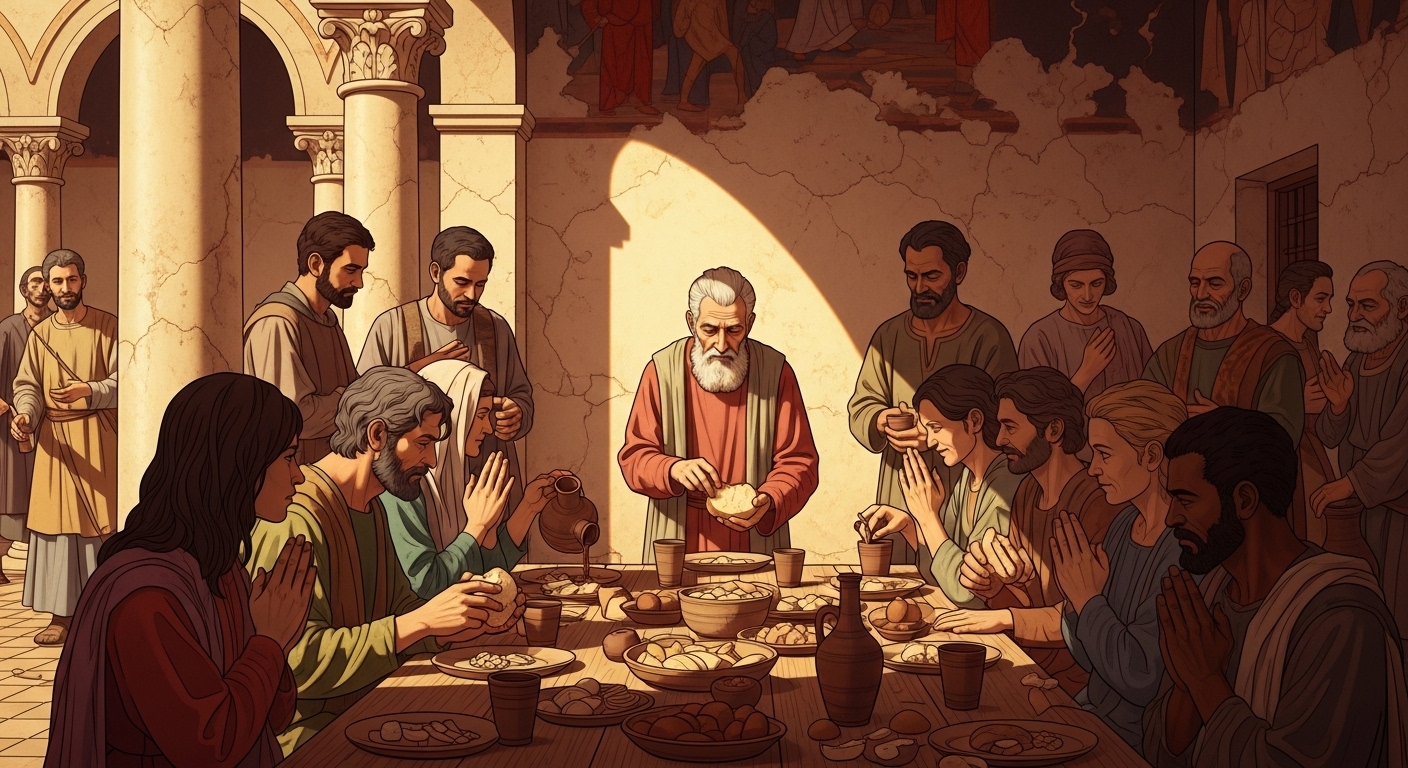
The early church continued the practice of “breaking bread” together as described in Acts 2:42. For them, Communion was both a spiritual act and a communal meal that reinforced faith, teaching, prayer, and generosity.
Theological Significance Through Church History
Church history shows diverse theological interpretations: some traditions emphasize a real, mysterious presence of Christ in the elements (sacramental), while others stress the symbolic remembrance (memorial). Despite differences, most Christians agree that Communion is a central act of worship that points to Christ’s death and resurrection.
Common Questions New Believers Ask
You probably have practical and theological questions. Below are some of the most common ones and short, faithful answers to help you navigate Communion.
Why bread and wine? Jesus chose bread and wine as simple, everyday items that carry deep meaning. Bread stands for His body, broken for you; the cup stands for the covenant sealed in His blood. The symbolism is intentionally accessible—ordinary things point to extraordinary truth.
Can I take Communion if I’m not baptized? Practices differ. Some churches welcome anyone who believes in Jesus, baptized or not. Others maintain that baptism is the normal entryway to full participation. If you’re unsure, speak with a pastor—most will encourage you in faith and explain the church’s practice.
What about people who don’t believe? Communion is typically understood as an act for believers—those who trust in Christ. If someone doesn’t believe, participating without faith might reduce Communion to a ritual without meaning. Invite honest reflection before participating.
Is Communion required to be saved? No. Communion is a means of grace and remembrance, but salvation is by faith in Christ alone. Communion nourishes and strengthens your walk with God; it isn’t the mechanism that produces salvation.
Do you have to be perfect to take Communion? No. Paul’s command to examine yourself calls for honesty, not perfection. Come with a repentant heart and a willingness to be changed. Communion is a place of grace, not a performance test.
How to Participate: Practical Tips
If you’re preparing to take Communion for the first time, here are simple steps to guide you. These are suggestions, not rules—churches have varied liturgies.
- Pause and pray quietly before the meal. Ask God to reveal any barriers to fellowship.
- Reflect on Jesus’ sacrifice and what it means for your life.
- Receive the elements with gratitude—eat and drink as you’re invited to do so.
- Spend a moment in silent prayer or join the communal prayer of the congregation.
- If there’s a confession or blessing, participate honestly and openly.
These steps help Communion be a meaningful encounter rather than a rushed tradition.
Elements: Bread and Cup
The bread can be unleavened or ordinary bread; the cup is often wine or grape juice in many churches. Some churches provide individual cups; others use a common cup or a shared loaf. The physical elements are simple; their power comes from what they signify—the body and blood of Christ given for you.
If you have dietary restrictions or don’t drink alcohol, speak with church leaders—most provide alternatives so everyone can participate.
Different Denominational Practices
You’ll encounter different practices across denominations. Roman Catholic, Eastern Orthodox, Anglican/Episcopalian, Lutheran, Reformed, Baptist, Pentecostal, and non-denominational churches each approach Communion with distinct theology and ritual.
Catholic and Orthodox traditions emphasize the real presence of Christ in the elements and have sacramental rituals. Many Protestant traditions view Communion as a memorial and focus on the symbolic and communal aspects. Some churches celebrate Communion weekly; others monthly or on special Sundays.
If you visit a church, you’re welcome to observe before participating if you’re unsure. Church leaders typically appreciate questions from sincere seekers.
Biblical Passages to Read
To deepen your understanding, read these biblical passages. Each link points to the exact chapter and verses on Bible Gateway so you can read the Scripture in context:
- Luke 22:19–20 — The Last Supper.
- 1 Corinthians 11:23–26 — Paul’s summary of the Lord’s Supper and its meaning.
- 1 Corinthians 11:28 — Paul’s instruction to examine oneself.
- 1 Corinthians 10:17 — Communion and unity.
- John 6:53–58 — Jesus’ teaching on eating His flesh and drinking His blood (context for understanding spiritual participation).
- Matthew 26:26–29 and Mark 14:22–24 — Gospel accounts of the Last Supper.
- Acts 2:42 — Early church devotion to the apostles’ teaching and the breaking of bread.
Take time to read these passages slowly. Let the words sink in as you prepare to participate.
Sample Prayers and Reflections
If you’re nervous about what to pray, here are short prayers you can use before, during, and after Communion. Use them as a model and put them in your own words.
Preparation Prayer: Lord Jesus, as I come to this table, reveal any barriers to fellowship. Search my heart and show me where I need Your grace. Help me come with gratitude and honesty.
Confession and Receiving Forgiveness: Father, I confess my sins to You. I ask for forgiveness and thank You for Jesus’ sacrifice. Cleanse me, renew me, and help me live in the freedom You’ve given.
Thanksgiving (during Communion): Thank You, Jesus, for Your body given for me and Your blood poured out for my forgiveness. I receive Your grace and promise to walk in Your love.
Post-Communion Reflection: Lord, move me to live differently because of this meal. Grant me courage to love others, pursue justice, and share the hope I have in You.
These prayers are simple but profound when offered with an honest heart.

Etiquette and Sensitivity
When you participate in Communion—especially in a new church—show respect and sensitivity. Arrive on time, listen to the liturgy, and follow the congregation’s lead. If elements are passed, accept them graciously even if you’re unfamiliar with the practice. If you don’t want to participate, it’s okay to remain seated or come forward and receive a blessing instead.
If you’re attending a church that uses alcohol and you avoid it, many churches offer grape juice or a clear substitute. Don’t let small practical differences distract you from the spiritual purpose of Communion.
Reflection Questions to Guide You
Before or after Communion, reflect on these questions to deepen your experience:
- Do I understand what Communion represents?
- Am I remembering Jesus’ sacrifice sincerely, not just going through the motions?
- Is my heart prepared and honest before God?
- Is there someone I need to forgive or ask forgiveness from?
- How should this meal change the way I live this week?
Use these questions as a guide for ongoing growth.
Communion in Your Daily Life
Communion’s meaning shouldn’t be limited to a weekly ritual. The memory of Christ’s sacrifice can shape your daily life—your choices, relationships, and service. Let Communion prompt gratitude, sacrifice for others, and a lifestyle of remembering Jesus in your decisions.
You don’t take the elements daily, but you can carry the meal’s significance into daily practices: thank God for provision, practice forgiveness, and commit to acts of love that reflect Christ’s body.
Closing Summary
Communion is simple but powerful. It reminds you of Jesus’ sacrifice, embodies God’s love, calls you to reflect and renew, and shapes your unity with other believers. Whether you’re just beginning to explore Christianity or you’ve participated in Communion for years, approach the meal with a sincere heart and allow it to be a source of spiritual nourishment.
Communion connects you with the story of Jesus, the global church, and the hope of resurrection. Don’t treat it as routine—experience it as a meaningful moment with God.
Closing Prayer
Lord, Thank You for the gift of Communion and what it represents. Help me remember Your sacrifice and approach You with a sincere heart. Teach me to live in gratitude, faith, and love every day. In Jesus’ name, Amen.
 Internal Resources to Explore
To understand Communion within the bigger story of Jesus’ sacrifice:
Main Hub
Related Articles
- Meaning of the Last Supper Explained
- Maundy Thursday (The Last Supper – Matthew 26:17–30)
- What Happened on Good Friday?
- The Theology of the Cross: Why It Matters
- Resurrection Practices: Living in Easter Hope
Sponsored recommendation

Acknowledgment: All Bible verses referenced in this article were accessed via Bible Gateway (or Bible Hub).
“Want to explore more? Check out our latest post on Why Jesus? and discover the life-changing truth of the Gospel!”