

What Is The Book Of Life? (Revelation 20:12, Philippians 4:3)
TL;DR — Simple Answer
The Book of Life is the heavenly registry in which God records the names of those who belong to Him through faith in Jesus Christ (Revelation 20:12; Philippians 4:3). The core meaning is relational: it shows God’s saving knowledge and commitment to His people. For you today, it’s a reminder of security in Christ and a call to live faithfully as one whose name is known to God.
Introduction
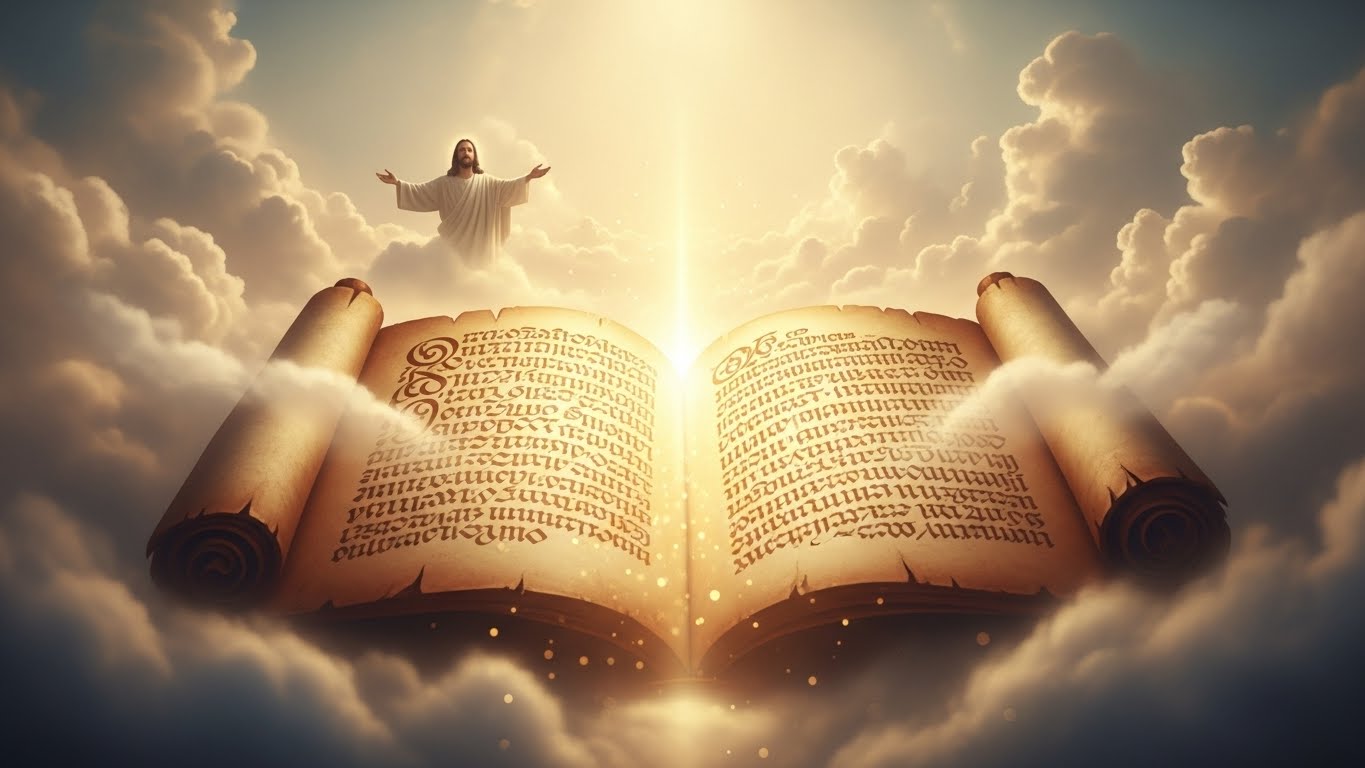
This topic matters because it touches the heart of your faith: identity, assurance, and God’s righteous judgment. When Scripture talks about the Book of Life, it isn’t an abstract ledger; it’s a personal reminder that God knows, claims, and remembers those who belong to Jesus. Understanding this helps your discipleship—how you follow Christ, how you live with confidence before God, and how you respond to final judgment not with fear, but with faithful hope. Christ remains at the center: He is the one who secures your name, intercedes for you, and invites you into a restored relationship with the Father.
SIMPLE BIBLICAL MEANING
In plain language, the Book of Life is a heavenly record that identifies those who belong to God. It represents God’s saving grace and His faithfulness to remember and redeem people. Rather than causing anxiety about whether you’re “on the list,” the Bible uses this image to teach that God knows you intimately and has promised new life through Jesus. The book demonstrates both divine justice (God will judge righteously) and divine mercy (Jesus secures forgiveness for those who trust Him). Ultimately, God reveals that salvation is personal and enduring—rooted in a relationship with Christ, not in human merit.
👉 “Having one’s name written in the Book of Life is not achieved by human effort, but by the transforming work of God within the heart—bringing conviction, renewal, and new life.”
➡️ Learn more in What Is the Role of the Holy Spirit in Salvation? (John 16:8, Titus 3:5)
WHAT DOES THE BIBLE SAY?
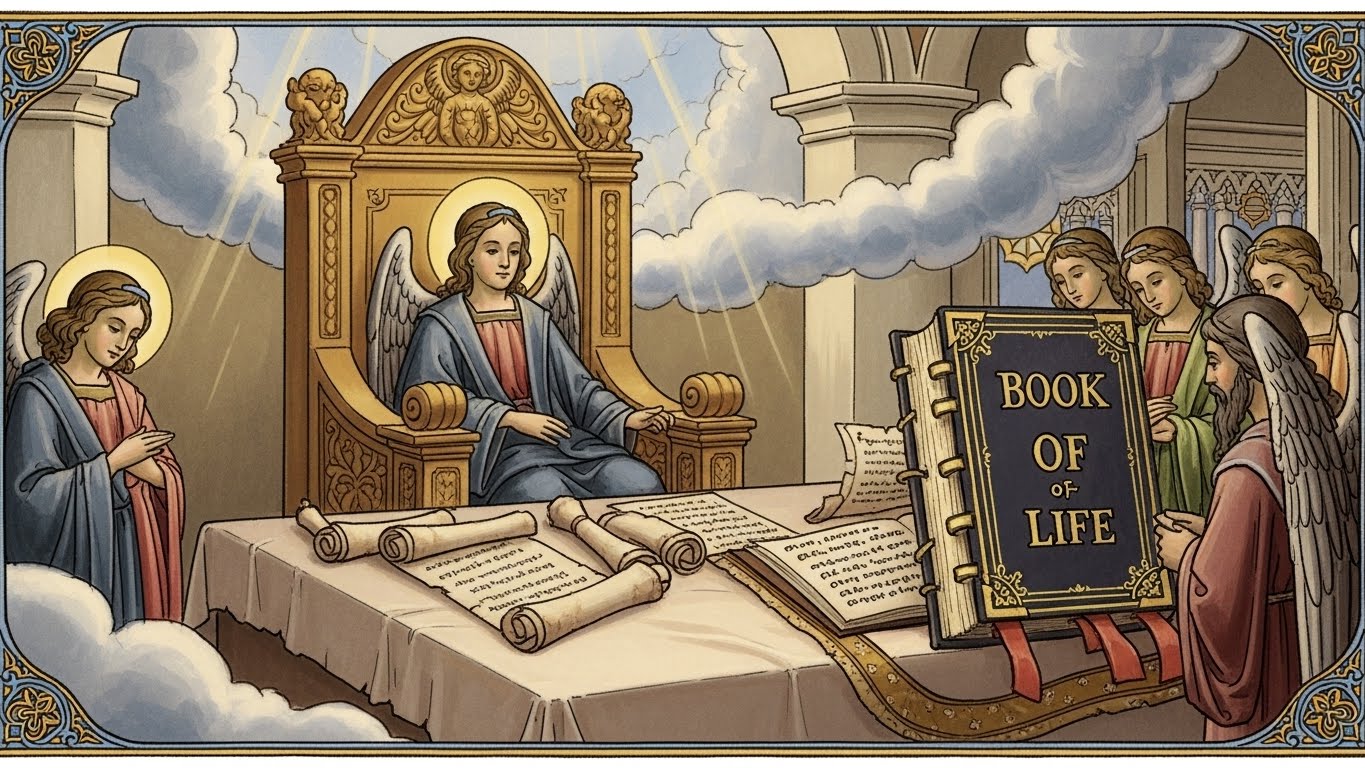
Scripture mentions the Book of Life in several passages, most clearly in Revelation and in some New Testament references that connect to Old Testament themes of being “remembered” by God.
- Revelation 20:12 describes a courtroom-like scene where books are opened, including the Book of Life, to reveal deeds and determine judgment. Here, John the apostle records a scene of final evaluation under Christ’s authority. Revelation 20:12 (NIV)
- Revelation 3:5 offers comfort: Jesus promises that those who conquer will have their names written in the Book of Life and will be acknowledged before the Father. This is spoken by the risen Christ to the church—intended to encourage perseverance. Revelation 3:5 (NIV)
- Philippians 4:3 shows Paul asking a faithful companion to help certain women whose names are in the Book of Life, connecting Christian service and mutual accountability with the reality of being known by God. Paul writes from prison, addressing members of the Philippian church. Philippians 4:3 (NIV)
- Luke 10:20 gives a sober balance: Jesus says rejoice because your names are written in heaven, not because of miraculous power alone. This was addressed to the seventy disciples returning from ministry. Luke 10:20 (NIV)
- Old Testament images show God’s remembrance and lists of covenant people—Moses’ intercession in Exodus and the pleas about blotted names (Exodus 32:32–33) reveal the weight of being counted among God’s people. Exodus 32:32–33 (NIV)
Taken together, these passages paint a picture of God’s sovereign record-keeping tied to salvation, identity, and the final righting of all things in Christ.
👉 “The Book of Life draws a clear line between those who belong to Christ and those who do not, forcing us to confront who is granted entrance into God’s eternal kingdom.”
➡️ Learn more in Can Non-Christians Go to Heaven? (John 14:6, Acts 4:12)
The Bible Foundation
Bible verse here – Revelation 20:12 + Bible Verse Text: “Revelation 20:12 — ‘And I saw the dead, great and small, standing before the throne, and books were opened. Another book was opened, which is the book of life. The dead were judged according to what they had done as recorded in the books.’”
This verse provides the foundational image for the concept of the Book of Life: it exists alongside other records and is crucial in the final judgment scene. It emphasizes both God’s knowledge of deeds and the decisive importance of being written in that book.
QUICK ANSWERS PEOPLE ASK (PAA SECTION)
- What does the Book of Life mean?
It’s God’s register of those who belong to Him by faith in Christ. It signals belonging and final assurance. - Can your name be removed from the Book of Life?
Scripture has passages that discuss names being blotted out (Exodus 32:33), but the New Testament emphasizes security for those in Christ. Your ongoing trust in Jesus and His finished work is the ground of assurance (John 10:28–29). John 10:28–29 (NIV) - Is the Book of Life only about final punishment?
No. It’s also about promise, belonging, and the hope of eternal life for those in Christ. Revelation pairs the Book of Life with both judgment and redemption.
GOD’S PURPOSE, PROTECTION & PROMISE
God’s sovereignty is central: He reigns and judges justly. The Book of Life shows that God keeps a faithful record of His people and that His promises are dependable. Christ’s role is decisive—He secures your place through His life, death, and resurrection. He intercedes, bears your sin, and opens the door for your name to be written and acknowledged (Hebrews 7:25 (NIV); Romans 8:34 (NIV)
The spiritual promise is comfort: those who trust Jesus are known and kept. The warning is pastoral, not fear-based: Scripture calls you to faithfulness, repentance, and perseverance—because God cares how those who belong to Him live. Avoid prosperity theology here—this book isn’t a cosmic rewards card to be manipulated; it’s the record of God’s saving grace, which calls forth a life transformed by Christ.
👉 “Scripture’s mention of heavenly records and final judgment also opens the door to understanding the unseen spiritual realm at work behind earthly events…”
➡️ Learn more in What Is the Spirit World According to the Bible? (Ephesians 6:12)
GOING DEEPER — BIBLICAL CONTEXT
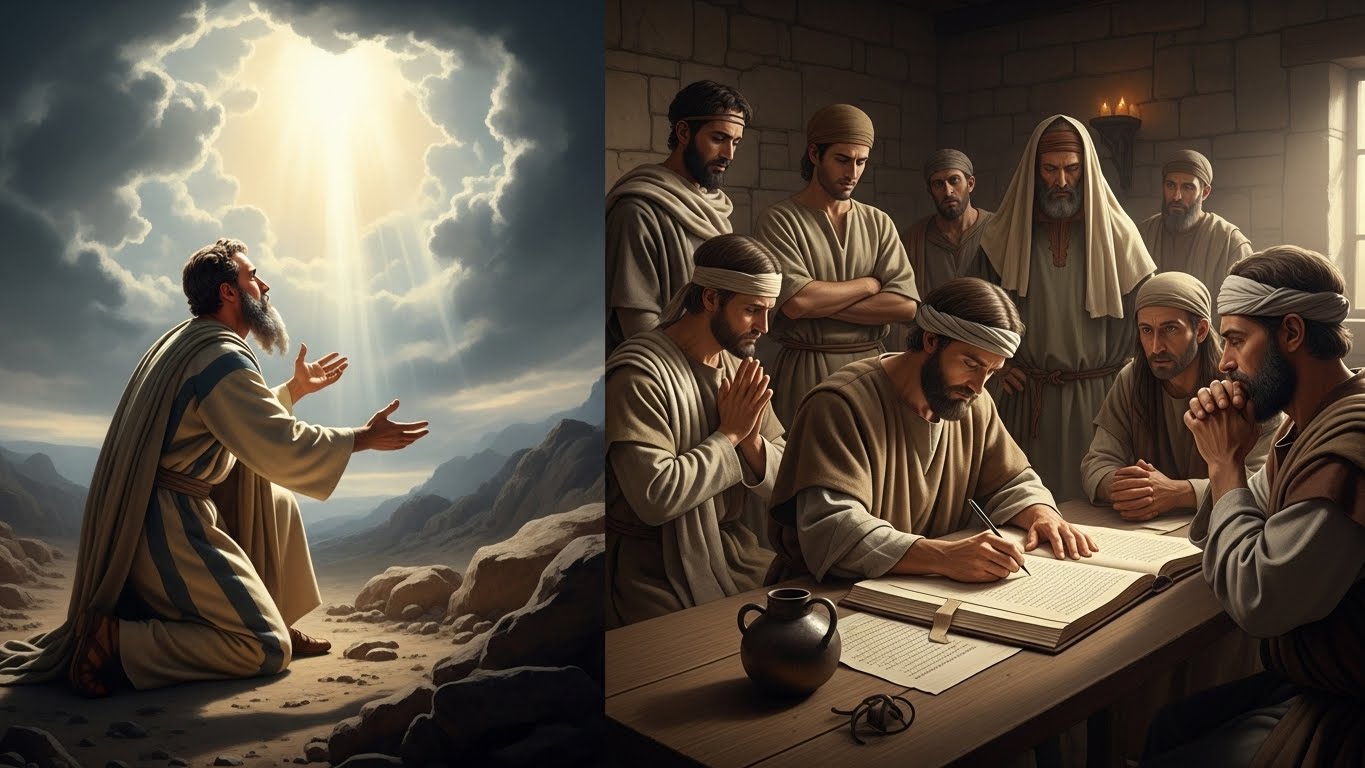
Old Testament: The idea of God remembering and listing His people appears early. For example, Elihu’s and other speakers’ language about God’s knowledge echoes into later writings. Israel’s tribal lists, genealogies, and divine remembrance demonstrate God’s covenantal relationship with His people. Exodus 32:32–33 shows Moses pleading for Israel, invoking the seriousness of being “written” or “blotted out” from God’s book. Exodus 32:32–33 (NIV)
Gospels: Jesus reassures his disciples that their names are written in heaven (Luke 10:20), which moves the focus from external signs to eternal relationship. Jesus’ work secures the believer’s identity before God because He forgives sin and grants new life (John 3:16–17). Luke 10:20 (NIV) John 3:16-17 (NIV)
Epistles: Paul’s reference in Philippians 4:3 shows early Christian confidence that certain members’ names are recorded in the Book of Life, connecting community life and accountability with the heavenly reality. Many epistles emphasize perseverance and faith as fruit of true salvation (Ephesians 1:13–14; Philippians 1:6). Philippians 4:3 (NIV) Ephesians 1:13-14 (NIV)
Theological continuity: The Book of Life reveals that God’s plan of redemption unfolds from covenant promises to Christ’s completion of salvation. The Old Testament’s concern for corporate and individual identity before God finds fulfillment in Christ, who secures your place by grace through faith.
MODERN CONNECTION — DAILY LIFE APPLICATION
How does this ancient image shape your daily life? First, it brings assurance—if you’ve trusted Jesus, your identity is secure in Him (John 10:28). That reassures you in moments of doubt, stress, or failure. Second, it shapes ethics: knowing God “remembers” you calls you to live as one known and loved, producing fruit in obedience, kindness, and holiness. Third, it affects mission: the Book of Life is a reminder that God cares about names—so you should care about people, inviting them into the gospel.
Practically, when anxiety about acceptance, status, or legacy creeps in, remember that God’s view is decisive. You don’t need to perform to earn your place; you live from gratitude because your name is known to God. This gives courage to face difficult choices and the humility to serve others, knowing your identity rests in Christ, not performance.

PRACTICAL APPLICATION (BULLET POINTS)
- Pray daily for assurance and thank God that your name is known by Him.
- Read Scripture regularly, focusing on passages about salvation and identity (e.g., John, Romans, Ephesians).
- Repent and confess quickly when you sin—maintain fellowship with Christ (1 John 1:9). 1 John 1:9 (NIV)
- Serve the church humbly, remembering Paul’s appeal in Philippians that community reflects heavenly reality (Philippians 4:3). Philippians 4:3 (NIV)
- Encourage others with the gospel: tell them that God knows their name and offers new life in Jesus (Luke 10:20). Luke 10:20 (NIV)
- Practice faithful endurance—trust God to complete the work He began in you (Philippians 1:6). Philippians 1:6 (NIV)
- Keep a faith journal to record answered prayer and reminders that God remembers you.
FAITH REFLECTION BOX
Reflective question: If God knows your name and has promised to remember you in Christ, how does that change the way you handle fear, failure, and approval-seeking today?
Key Takeaways:
- Your identity is rooted in Christ, not performance.
- God’s record is relational—He knows and cares for you personally.
- Live with gratitude and perseverance, serving others as someone whose name is written in heaven.
FREQUENTLY ASKED QUESTIONS
Q1: What exactly is the Book of Life — a literal book or a metaphor?
Answer: The Bible presents the Book of Life primarily as a symbolic way to communicate theological truths: God’s knowledge, saving claim, and promise of eternal life for those who trust Jesus. The imagery functions like a court registry or family record to help believers understand that God personally knows and counts His people. While Revelation uses vivid, concrete imagery (books opened), the central truth is relational—God knows names and acts decisively in Christ. See Luke 10:20 and Revelation 20:12 for the imagery. Luke 10:20 (NIV) Revelation 20:12 (NIV)
Q2: Can my name be removed from the Book of Life if I sin or leave the faith?
Answer: This is a pastoral question many believers wrestle with. Scripture warns against falling away and calls for perseverance (Hebrews 3:12–14), yet the New Testament also teaches security in Christ for those who truly belong (John 10:28–29; Romans 8:38–39). The honest pastoral answer is: if you are trusting in Christ, your standing is secured by His work, and genuine faith shows itself in a life transformed by grace. Continual, willful rejection of Christ is different from struggling faith. Jesus invites you into repentance and ongoing relationship, not fear-based performance. Hebrews 3:12-14 (NIV) John 10:28-29 (NIV)
Q3: Does the Book of Life include only those in Christ, or are others listed too?
Answer: The biblical testimony connects the Book of Life with those who are in a relationship with God through Christ. Passages like Revelation and Luke emphasize that names written belong to those who trust God’s saving work. While Scripture does not give a public list for humans to inspect, it assures believers that those who are in Christ are known by God. This motivates evangelistic urgency—you care about others’ names being known because God cares about them. See Revelation 3:5 and Philippians 4:3 for how the New Testament ties community life to heavenly remembrance. Revelation 3:5 (NIV) Philippians 4:3 (NIV)
🔗 Related Resources
Strengthening Your Faith Through Biblical Prayer: A Guide to Spiritual Growth and Connectedness
HOW IS A PERSON’S NAME WRITTEN IN THE BOOK OF LIFE?
The Bible teaches that a person’s name is written in the Book of Life through salvation in Jesus Christ. Scripture does not present this as a reward for good works, but as the result of spiritual rebirth brought about by God.
Jesus explained that no one can enter the kingdom of God unless they are born again—a work accomplished by the Holy Spirit, not human effort. Through conviction of sin, repentance, and faith in Christ, God grants new life and records the believer among those who belong to Him.
This truth offers both assurance and urgency: assurance for those who trust in Christ, and urgency for those who have not yet responded to the gospel.
➡️ Learn more in What Is the Role of the Holy Spirit in Salvation? (John 16:8, Titus 3:5)
🕊️ Ministry Resource

 “Every God-given message deserves to be shared.”


Don’t let your calling stay hidden. If God has placed His truth on your heart, starting a Christian blog or website can help you reach others with clarity and purpose. Hostinger makes it easy—with 99.9% uptime, a free domain, and SSL—so your message can shine for God’s glory anytime, anywhere.
👉 Begin today.  Try it RISK-FREE!
CONCLUSION & PRAYER
Summary: The Book of Life is a powerful biblical image that shows God’s intimate knowledge and saving commitment to those who trust Jesus. It reassures you that your identity before God is secure in Christ and calls you to faithful, grateful living. It is not an invitation to fear but to faithful obedience, grounded in Jesus’ finished work and ongoing intercession.
Prayer: Lord Jesus, thank You that my name is known to You and that You have secured me by Your grace. Help me to live out that identity with confidence, humility, and love. Keep me faithful, guard my heart, and use me to bring others to the hope I have in You. Amen.
📖 RELATED BIBLE TEACHINGS
- What It Means to Be Born Again?
- How to Live Out Your Faith Daily?
- What the Bible Really Says About the End Times?
 As a ClickBank & Amazon Affiliate, I earn from qualifying purchases.
 Acknowledgment: All Bible verses referenced in this article were accessed via Bible Gateway (or Bible Hub).
 Want to explore more?
  Dive into our new post on Why Jesus? and experience the life-changing truth of the Gospel!