

What Is The New Heaven And New Earth? (Revelation 21:1)
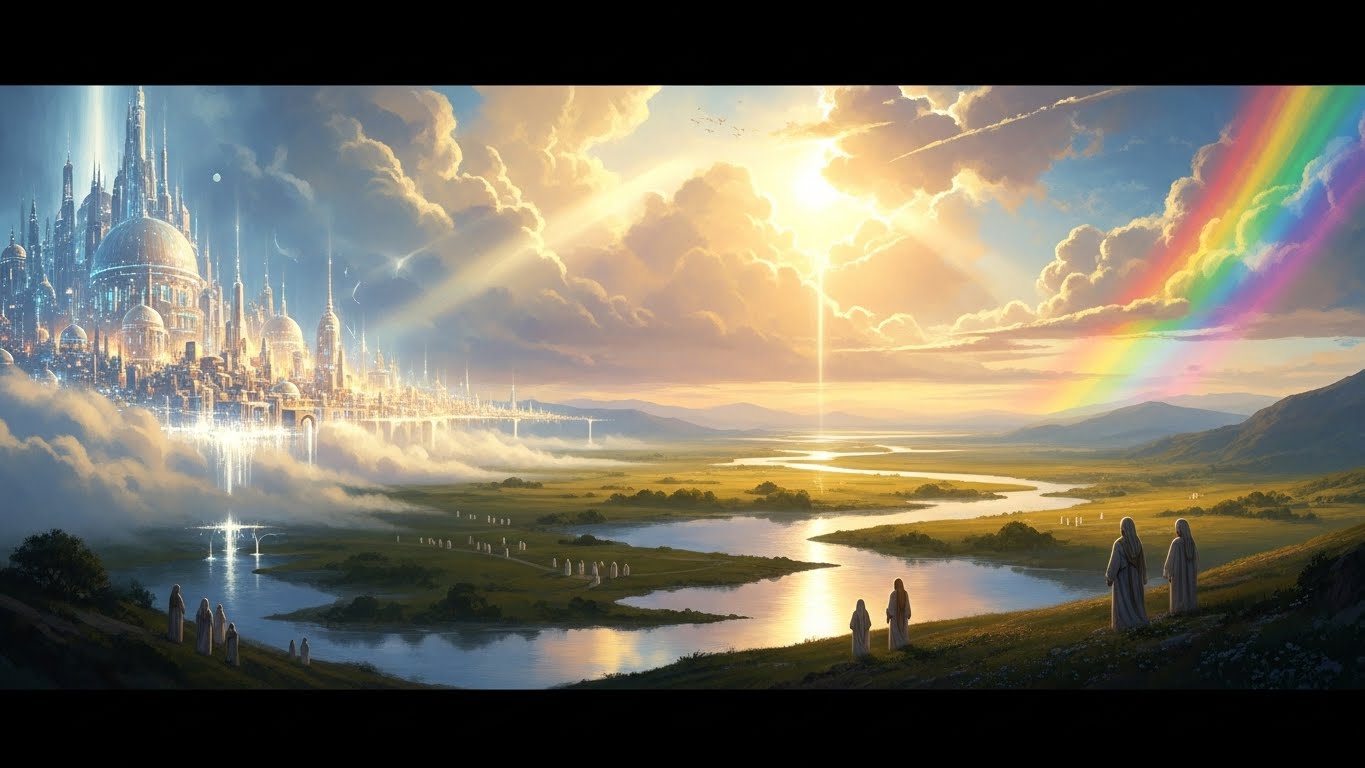
Introduction
Have you ever caught yourself staring into the sky and wondering what comes next? Maybe you’ve read Revelation 21:1 and felt a mix of curiosity, hope, and even uncertainty. You’re not alone. The image of a “new heaven and new earth” sparks something deep inside you — a longing for renewal, for justice, for a place where pain is gone. It matters because this promise shapes how you live now: it frames your suffering, your acts of kindness, and your hope. In this article, you’ll unpack what Revelation 21:1 actually says, what it meant to the first readers, and how the promise of a new heaven and new earth matters for your daily life and faith.
📖 The Bible Foundation
Revelation 21:1 (NIV): “Then I saw ‘a new heaven and a new earth,’ for the first heaven and the first earth had passed away, and there was no longer any sea.”
(See: Revelation 21:1)
This short verse lands with a big claim. John, the writer of Revelation, is describing a vision — a revelation — about the future outcome of God’s story for the world. The phrase “new heaven and a new earth” echoes earlier prophetic promises in the Old Testament, such as Isaiah 65:17: “See, I will create new heavens and a new earth. The former things will not be remembered, nor will they come to mind.” (See: Isaiah 65:17). It’s also reflected in New Testament hope found in 2 Peter 3:13: “But in keeping with his promise we are looking forward to a new heaven and a new earth, where righteousness dwells.” (See: 2 Peter 3:13).
In simple terms, John is telling you that God’s story doesn’t end with decay, injustice, or death. There’s an ending — and it’s a renewal. The old order that is marred by sin and suffering will give way to a reality aligned with God’s original intention. The language is visionary and symbolic, but it holds a very real promise: God will make all things new.
👉 “When we picture the beauty of the New Heaven and New Earth, Scripture also reminds us of the sobering contrast—the destiny of those who reject God’s grace.”
➡️ Learn more in How Does the Bible Describe Hell? (Matthew 13:50, Luke 16:19-31)
Understanding the Core Truth
At the heart of Revelation 21:1 is one core truth: God will renew creation. When you read “new heaven and new earth,” don’t think only of a cosmetic upgrade. This is regeneration — a thorough, moral, and physical renewal where the effects of sin, death, and brokenness are finally undone. The emphasis is not merely on geographical replacement but on restorative transformation. The “first heaven and the first earth” passing away signals the end of the old order; the “new” signals the beginning of God’s full and righteous reign.
This matters because it reorients your hope. You’re not simply waiting for personal relief or a spiritual escape; you’re part of God’s larger work of redeeming the whole of creation. Romans 8:21 captures this cosmic liberation: “the creation itself will be liberated from its bondage to decay and brought into the freedom and glory of the children of God.” (See: Romans 8:21). You can trust that God’s redemption has both moral and material implications.
🌊 Going Deeper — The Hidden Meaning
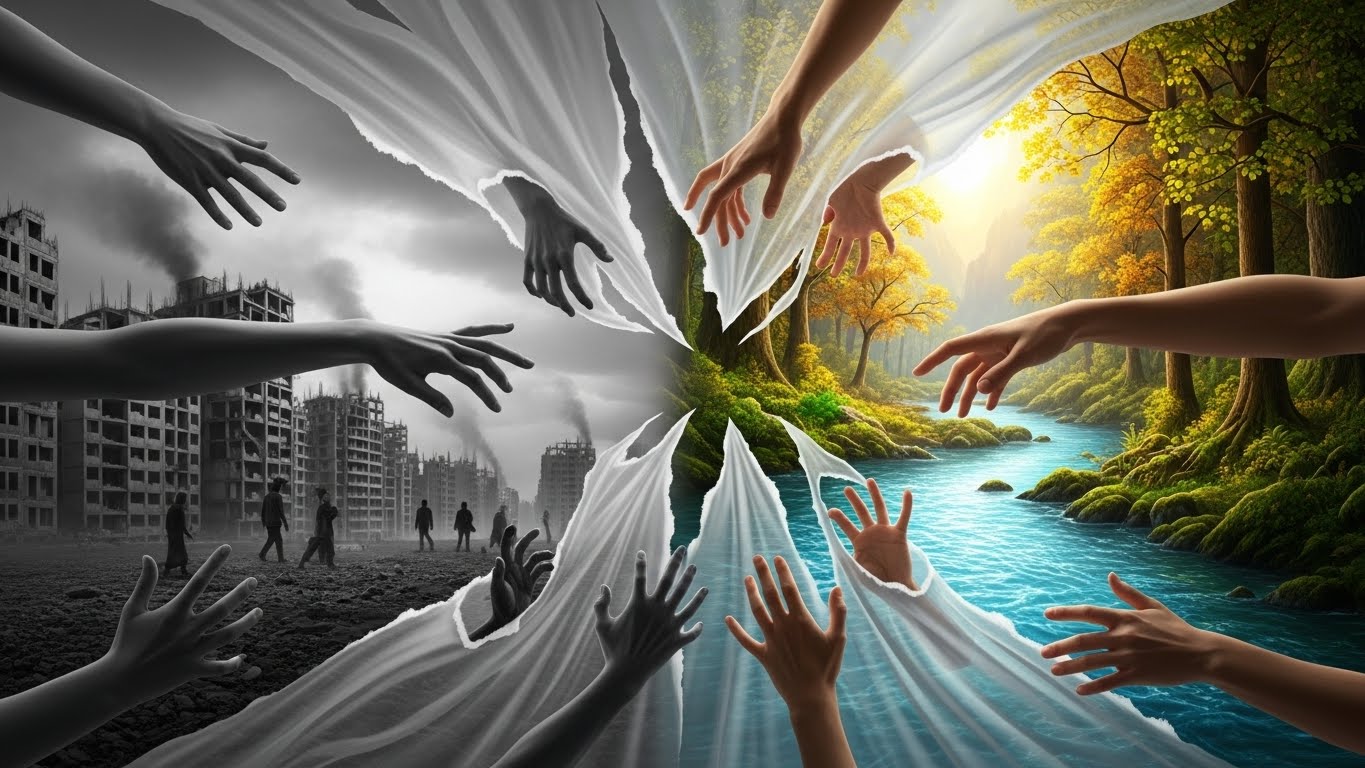
When you dig deeper, you’ll see layers of meaning in “new heaven and new earth.” First, there’s the theological layer: this promise demonstrates God’s commitment to justice and restoration. Second, there’s the pastoral layer: John offers comfort to a suffering community (the original readers faced persecution) by revealing God’s final victory. Third, there’s the ethical layer: if the end goal is a renewed creation where righteousness dwells, then your present behavior matters.
Consider the story of Eden and how creation was intended to be. Eden was not merely a private garden — it was a place where humanity lived in right relationship with God and all creation flourished. The new heaven and new earth is, in a sense, the restoration of Eden’s harmony on a cosmic scale. But it’s also more: it’s the fulfillment of God’s redemption through Christ. Revelation repeatedly ties this renewal to the Lamb (Jesus) and his reconciling work (see Revelation 21:22–23). So when you read about the new creation, think of the Gospel’s power to heal brokenness not only in souls but in societies, ecosystems, and systems of injustice.
Imagine someone you love who has been deeply hurt. The promise of the new heaven and new earth isn’t just an abstract future hope; it means that wrongs will be set right and mourning will be ended. It’s an ultimate assurance that brokenness does not get the final word.
👉 “Thinking about God’s future creation naturally leads to questions about the present unseen world, including what those who have gone before us may or may not perceive…”
➡️ Learn more in Can the Dead See Us? (Hebrews 12:1)
💡 Modern Connection — Relevance Today
How does this ancient vision apply to your life in the 21st century? It reshapes your priorities and your hope in practical ways. First, it gives you perspective on suffering: pain and injustice are real and serious, but they are not permanent. The new heaven and new earth promise frees you from despair and complacency. You press for justice now because you believe a righteous world is coming; you comfort the grieving now because mourning will be met and healed.
Second, it motivates stewardship. If creation is destined for renewal, then your care for the environment, for the vulnerable, and for civic life aligns with God’s restorative plan. Your activism, your generosity, and your small acts of kindness are not wasted — they participate in the renewal process. Third, it shapes how you relate to others: you foster communities marked by reconciliation, forgiveness, and hope, reflecting not merely ethical ideals but the coming reality of God’s kingdom.
When systems fail you, when grief presses in, this vision reorients you toward long-term hope. You live differently because you live with an eye toward a renewed world — which means pursuing justice, showing mercy, and holding fast to hope.
❤️ Practical Application — Living the Message

So what does living in light of the new heaven and new earth look like for you day-to-day? Start with simple, concrete steps:
- Reframe suffering: When hard things happen, practice naming them and offering them to God in prayer. Trust that they are not the end of the story.
- Pursue small acts of renewal: Volunteer, plant trees, help a neighbor, mentor a young person — these acts reflect the coming restoration.
- Live ethically in relationships and work: Make decisions that promote justice and mercy, even when it costs you something.
- Prioritize hope-filled worship and community: Regularly gather with other believers to rehearse the promises of Scripture. Worship reshapes your imagination toward God’s future.
These actions don’t bypass the complexities of injustice or pain, but they root your response in the hope of a new heaven and new earth. Your life becomes a signpost pointing toward the world God will bring to completion.
👉 “The promise of a restored creation is given to God’s redeemed people, which makes the assurance of our salvation one of the most important questions we can ever settle.”
➡️ Learn more in How Do I Know If I Am Truly Saved? (1 John 5:13, Romans 8:16)
👉 🌿 Faith Reflection Box
Pause and reflect: How does the promise of a new heaven and new earth change the way you pray about your community’s problems? Write one sentence describing one practical action you can take this week to reflect that hope.
Key Takeaways:
- God promises a full renewal of creation: the “new heaven and new earth” is a real hope, not mere cheerleading.
- This promise shapes your suffering, your ethics, and your activism: you live in hope and work for justice.
- Small acts of mercy and stewardship participate in God’s larger work of restoration.
- Worship and community keep your imagination aligned with God’s future.
👉 Q&A
Q1: Does “new heaven and new earth” mean everything will be destroyed and replaced like recycling trash for something new? Answer: The language of “new” in Scripture often implies renewal and transformation rather than total annihilation. Revelation 21:1 uses dramatic imagery to show the end of the old order of sin and death and the beginning of God’s restored creation. Think of it less like discarding the world and more like healing a broken body; the scars might be gone, and the whole will be better than the original. Paul’s teaching in Romans 8 indicates creation will be liberated and transformed (see Romans 8:21). Likewise, Isaiah’s prophecy frames it as God creating “new heavens and a new earth” with memory of former things faded (Isaiah 65:17). So you can trust that the renewal is deep and meaningful, aligned with God’s goodness and wisdom.
Related: Revelation’s Promise of a New Heaven and New Earth
Q2: Will I recognize the new heaven and new earth? Will loved ones who die be there? Answer: Scripture communicates the renewal using relational and communal language — it speaks of God dwelling with people and wiping away every tear (see Revelation 21:3–4). The Bible promises that death and mourning will end, which includes hope for reunion and restored relationships. While some theological details (like the exact consciousness after death) are debated, the consistent biblical message is relational restoration: God’s people live in God’s presence and experience full life together. You can hold this as a pastoral hope and let it bring comfort as you grieve, trusting God’s promise of reunion and healing.
Q3: How should the promise of a new heaven and new earth affect my politics and social action? Answer: The promise should motivate you to pursue justice and mercy now without confusing the present imperfect systems for the final kingdom. You’re called to be an agent of renewal in your local context — advocating for the oppressed, caring for creation, and building communities of reconciliation. This doesn’t mean you expect perfect political solutions here, but it does mean you shouldn’t be neutral or passive about injustice. Jesus modeled active compassion and structural challenge; the prophets spoke for God’s justice. Your work in politics and social action becomes worship when it seeks to reflect the righteousness of the coming new heaven and new earth (see Micah 6:8 and Matthew 25:35-40).
See also: The New Heaven and New Earth: Embracing Hope for the Future
🙏 Conclusion & Reflection
You’ve walked with a big idea — that God promises a new heaven and a new earth. This is not escapist fantasy; it’s the biblical assurance that every tear, every injustice, and every ache will be addressed in God’s final renewal. When you live in light of that promise, you are both patient in suffering and active in hope. You keep loving, keep serving, and keep working for justice, because you believe the story has a good ending.
A short prayer for you: Lord, help me to live with hope. Remind me that you are making all things new. Teach me to act justly, love mercy, and walk humbly with You. Give me courage to bring restoration wherever I can and comfort when I grieve. Amen.

 For deeper insight into Isaiah 40:31 and how it renews your strength in both faith and daily life
For practical lessons on compassion and neighborliness from the Good Samaritan
For a clear explanation of what we can learn from the Parable of the Good Samaritan
For meaningful insights from the Parable of the Pearl and its hidden treasures
For a deeper look at the Rich Man and Lazarus and what it reveals about the afterlife
For guidance on the Parable of the Ten Virgins and preparing for God’s Kingdom
For clarity on the Parable of the Lamp and how it calls us to shine our light
For insights from the Parable of the Wedding Feast and the meaning behind the invited guests
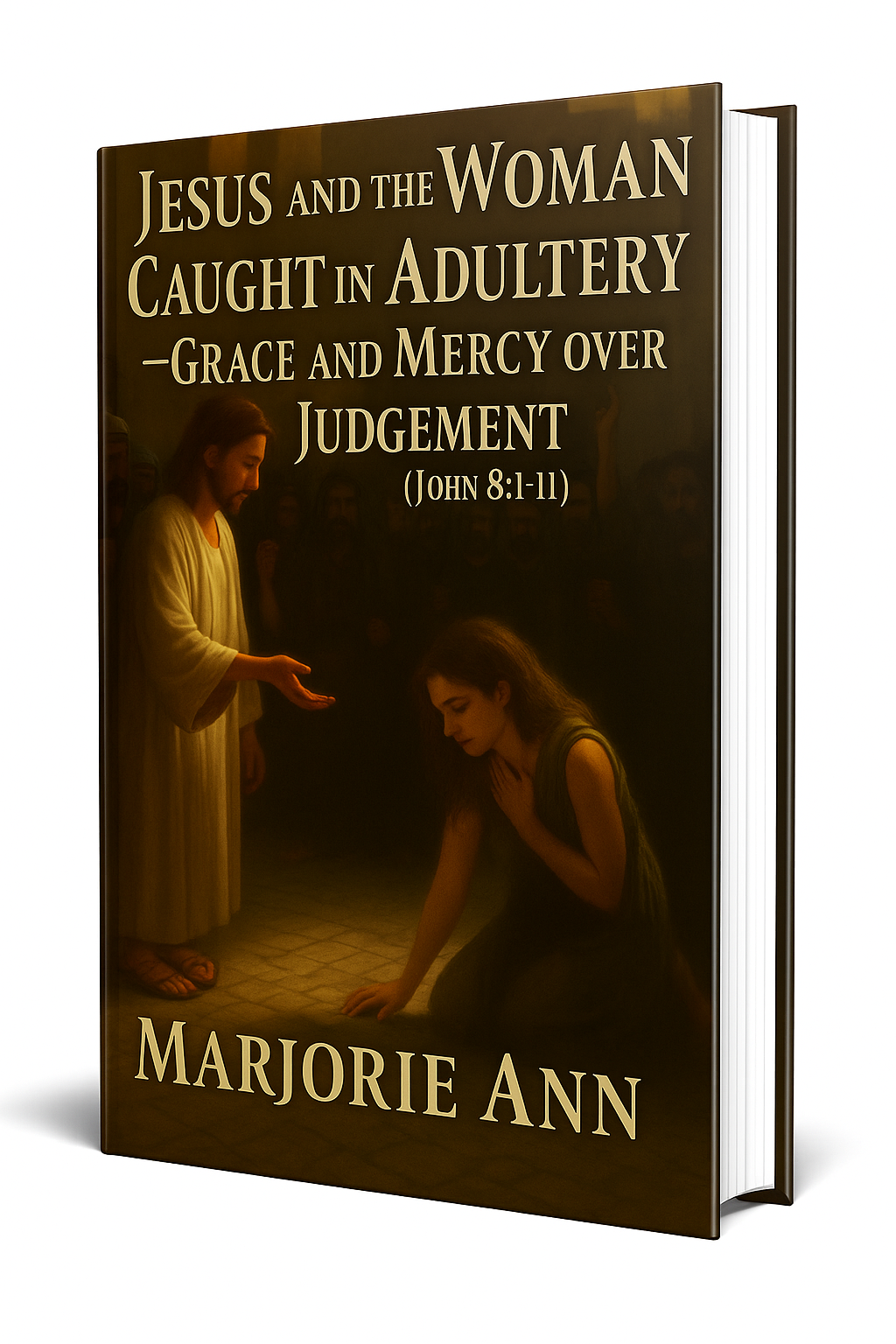
 Jesus and the Woman Caught in Adultery – Grace and Mercy Over Judgement
A powerful retelling of John 8:1-11. This book brings to life the depth of forgiveness, mercy, and God’s unwavering love. Check it now on Amazon 


 “Every great message deserves a home online.”


Don’t let your calling stay hidden. Start a Christian blog or website using Hostinger — with 99.9% uptime, a free domain, and SSL, your voice can shine for God’s glory anytime, anywhere. Begin today. Try it RISK-FREE! 

 “Your body is God’s temple — care for it with purpose.”


Renew your energy and restore balance naturally. Mitolyn helps support a healthy metabolism, giving you the vitality to live out God’s calling with strength and confidence.
Unlock Your Metabolic Power!  Burn More Calories & Feel Great With Mitolyn.
Start Today.  Check Price Now.
As a ClickBank & Amazon Affiliate, I earn from qualifying purchases.
 Acknowledgment: All Bible verses referenced in this article were accessed via Bible Gateway (or Bible Hub).
Want to explore more? Dive into our new post on Why Jesus? and experience the life-changing truth of the Gospel!