


You’ve likely heard Psalm 23 more times than you can count—at funerals, in worship, on greeting cards, and whispered in moments of fear. “The Lord is my shepherd; I shall not want” feels at once simple and profoundly comforting. In this article, you’ll explore the depth behind that first line and the rest of the psalm: who wrote it, why the shepherd image mattered then (and now), how it shapes your faith in everyday life, and practical ways to live out its truth. You’ll also find clarifications for common misunderstandings, related Scripture to deepen your reflection, and a short prayer to help you internalize the message.
This is an invitation to slow down, read carefully, and let an ancient song reshape how you trust, rest, and move through life.

The Bible Verse Explained
Read Psalm 23:1–6 (NIV) on Bible Gateway before exploring the explanation below.
This line opens one of the most beloved psalms. It’s short, vivid, and packed with meaning. To understand it well, you’ll want to know who wrote it, who it was written to, the historical setting, and the key message the original hearers would have received.
Who wrote it
Psalm 23 is traditionally attributed to King David, the shepherd-turned-king of Israel. Before David became Israel’s greatest king, he spent many years caring for his father’s sheep in the fields of Bethlehem (see 1 Samuel 16:11 (NIV)).
Those years shaped his understanding of God’s care. David knew what it meant to guide sheep to fresh pasture, search for those that wandered, defend them from predators, and risk his own life for their safety. Later, he recalled protecting his flock from both lions and bears (1 Samuel 17:34–37 (NIV)).
Because David had personally experienced both the responsibilities of a shepherd and the burdens of leadership as king, the imagery in Psalm 23 is deeply personal. He wasn’t speaking theoretically—he was describing the kind of loving care he himself had received from God throughout every season of his life.
This personal background makes Psalm 23 far more than beautiful poetry. It is David’s testimony that the God who faithfully guided him as a shepherd boy continued to shepherd him as a warrior, a king, and even during his greatest failures.
Who it was written to
The psalm was composed for the people of Israel and for anyone who would read and sing these words in worship and devotion. It functions as both personal reflection and communal confession—an individual’s testimony that is fully appropriate for public liturgy and private comfort.
The historical setting
Psalm 23 belongs to the collection of psalms—Hebrew songs used in temple worship and private devotion—originating across centuries of Israel’s history. The shepherd metaphor would have resonated deeply in ancient Near Eastern culture, where flocks were central to livelihood and survival. For an agrarian society familiar with green pastures, still waters, and shepherding dangers like predators and thieves, the image of a shepherd was immediate and rich in meaning.
Shepherding was one of the oldest and most respected occupations in ancient Israel. A shepherd’s work involved much more than simply watching sheep. He had to lead the flock to fresh pasture, locate reliable water sources, protect them from predators, rescue those that wandered away, and care for injured animals.
Because sheep were completely dependent on their shepherd, they became one of Scripture’s most powerful pictures of God’s relationship with His people. Throughout the Old Testament, God repeatedly describes Himself as Israel’s Shepherd (for example, Psalm 80:1 (NIV) and Ezekiel 34:11–16 (NIV)).
When David declared, “The Lord is my Shepherd,” he wasn’t introducing a new idea. He was expressing complete confidence that the covenant God of Israel personally watches over His people with compassion, wisdom, and faithful care.
Understanding this historical background makes the psalm even more meaningful because it reminds us that God’s leadership is both personal and protective.
The key message of the passage
At its core, Psalm 23 declares God’s personal, ongoing care. The “I” in the psalm feels intimate: this is not a distant deity but a present shepherd. The core promises are guidance (leading to restful places), provision (satisfying needs), protection (comfort in danger), and an abiding presence (walking through “the valley of the shadow of death” with you). The psalm communicates that trusting God provides rest, restoration, and hope even in the darkest seasons.

Psalm 23 Explained Verse by Verse
Verse 1: God’s Care
David describes God as his Shepherd. His confidence rests in God’s care rather than in having every personal desire fulfilled.
Verse 2: Rest and Nourishment
Pasture and water picture nourishment and rest. God’s care includes what sustains His people, not merely what keeps them busy.
Verse 3: Renewal and Direction
God renews and directs His people. Following Him involves receiving His help and choosing paths that reflect His character.
Verse 4: Presence in Danger
The valley remains dangerous, but David is accompanied. His courage rests in God’s presence, with the rod and staff expressing the Shepherd’s protection.
Verse 5: Welcome Amid Opposition
The picture shifts to a host’s generous welcome. Even with enemies present, God provides care and honor; opposition does not cancel His faithfulness.
Verse 6: Lasting Hope
David looks ahead with confidence in God’s continuing goodness and love. The psalm closes with hope of remaining in God’s presence.
What Does This Verse Really Mean?
When you dig past the comforting phrases, you find theological richness and practical implications. Psalm 23:1 is not merely a pleasant spiritual sentiment; it’s a compact statement of God’s character and your invited relationship with Him.
1. Understanding the Message of the Verse
“The Lord is my shepherd” makes a claim about identity and relationship. It says two things: first, the Lord (Yahweh) is the speaker’s guide and caregiver; second, the ownership word “my” points to a personal relationship. The phrase “I shall not want” doesn’t promise you’ll acquire every desire but affirms that, under the shepherd’s care, your essential needs—sustenance, safety, direction, and dignity—will be met. The psalmist is teaching you to reframe want and provision: in God’s care you lack nothing of what truly matters.
2. Trusting God’s Wisdom and Guidance
Calling God “shepherd” implies leadership and wisdom. A good shepherd knows the land, the seasons, and each animal’s needs. When you accept God as your shepherd, you are trusting His knowledge and timing. That trust isn’t passive; it’s a posture of following—walking where the shepherd leads even if the path looks risky or slow. The shepherd’s guidance includes leading to rest (green pastures), to renewal (still waters), and through dangers (the valley). Trust here means you’re willing to be led and corrected because the shepherd knows the way.
3. Living Out This Truth in Everyday Life
When you grasp the message that God is your shepherd, it shapes daily living. You begin to prioritize spiritual nourishment over cultural measures of success. Restful habits (Sabbath, prayer, community) become expressions of trust in God’s provision. Decisions are filtered through the question, “Where is my shepherd leading me?” In relationships, you seek reconciliation and care, modeling the shepherd’s compassion. In trials, you remind yourself of God’s presence rather than relying solely on your resources. This verse nudges you toward a rhythm of dependence, rest, and service.
Jesus Is the Good Shepherd
Psalm 23 reaches its fullest meaning in Jesus Christ. In the New Testament, Jesus intentionally identified Himself as the Good Shepherd, declaring:
“I am the good shepherd. The good shepherd lays down his life for the sheep.” (John 10:11 (NIV))
Unlike hired workers who abandon the flock when danger comes, Jesus willingly gave His life to save His sheep. Through His death and resurrection, He became the Shepherd who not only guides His people but also rescues them from sin and gives them eternal life.
This connection between Psalm 23 and John 10 reveals that the Shepherd David trusted centuries earlier is fully revealed in Jesus Christ. Every promise of guidance, protection, provision, and eternal security ultimately points to Him.
For Christians today, Psalm 23 is not only a beautiful song of comfort—it is also a reminder that Jesus continues to shepherd His people every day through His Word and by the Holy Spirit.
Why This Verse Still Matters Today
You might wonder: in a vastly different culture with modern comforts and anxieties, why does an ancient shepherd image still grip hearts? Because the questions it addresses—need, safety, guidance, and presence—are timeless.
Faith During Uncertainty
When markets wobble, relationships strain, or health falters, the certainty that “the Lord is my shepherd” offers a foundation you can stand on. It doesn’t erase questions or remove uncertainty instantly, but it anchors you by reframing your hope. Instead of depending on shifting systems, you can rely on a shepherd who is present and active.
Trusting God in Difficult Seasons
The psalm’s promise of accompaniment through valleys is crucial for modern believers. The “valley of the shadow of death” stands for acute fear: terminal illness, deep loss, or existential dread. The psalm doesn’t promise an escape from suffering but assures that the shepherd’s rod and staff—symbols of guidance and protection—are with you as you walk through. That presence transforms how you experience suffering; it becomes a path accompanied rather than a solo abyss.
Spiritual Growth
Psalm 23 is formative language for spiritual discipleship. As you rehearse and internalize its images, your faith matures toward dependence, gratitude, and humility. The psalm calls you out of self-reliance into trust-based living. Over time, this rewires priorities—valuing relationship with God above control and possession.
Encouragement from Scripture
Scripture as a whole reinforces the shepherd motif and the pastoral reality it describes. Psalm 23’s truths are echoed elsewhere, showing you aren’t misled in trusting God for guidance and provision. As you gather these biblical threads, your confidence grows because the message is consistent, anchored in God’s character and action.

How to Apply This Verse in Your Life
The beauty of Psalm 23 is that it’s not just poetry to admire—it’s an invitation to practice. Here are tangible ways to live under the care of the Shepherd.
1. Reflect on God’s Word Daily
Make space each day to read Scripture, meditate on phrases from Psalm 23, and let them reshape your inner narrative. Meditative reading helps you internalize the shepherd’s promises so that in stress you remember the truths automatically. Consider memorizing short lines like “The Lord is my shepherd” to recall during moments of anxiety.
2. Pray for Wisdom and Guidance
Ask the shepherd to guide your thoughts, plans, and decisions. Prayer is how you maintain the leader-follower relationship. Instead of solving anxieties alone, present choices to God and pause for His direction. Prayer cultivates the listening heart that discipleship requires.
3. Trust God Even When Life Feels Uncertain
Practically, trusting means choosing actions consistent with belief. When finances are tight, prioritize trust by living within means, seeking counsel, and staying generous when possible. When relationships fracture, lean into grace rather than bitterness. Trusting God doesn’t negate prudence; it transforms your motives and your courage.
4. Live Out Your Faith Through Action
Obedience is the visible proof of spiritual trust. Serve your neighbor, care for those in need, and lead with humility in your circles. The shepherd cares for the sheep; you reflect that care when you advocate for and protect the vulnerable. Your actions become evidence that the shepherd’s care has taken root in you.

Common Misunderstandings About This Verse
Even beloved passages can be misread. Psalm 23 invites clarity to avoid three common errors.
Taking the Verse Out of Context
Sometimes people lift “I shall not want” to promise material abundance, using it to claim personal prosperity without considering the psalm’s richer spiritual frame. When read in context, the psalm emphasizes God’s provision of what truly matters—guide, restoration, and presence—rather than guaranteeing worldly success or wealth.
Misunderstanding the Promise
Some expect a life free of struggle because the shepherd provides. The psalm, however, acknowledges difficulty and danger—“valley of the shadow of death”—and promises accompaniment and comfort through such seasons. The true promise is not painless living but a faithful, present shepherd.
Applying the Verse Incorrectly
People sometimes apply the shepherd image to excuse passivity, claiming God will do everything so they need not act. True trust in the shepherd includes your willing cooperation and responsibility. The shepherd leads, but sheep still follow and participate in the journey. Faithful living involves both divine dependence and human obedience.
Does “I Shall Not Want” Mean Christians Will Always Be Wealthy?
One of the most common misunderstandings of Psalm 23 is interpreting the phrase “I shall not want” as a promise of financial prosperity or a life free from hardship. However, David himself experienced seasons of danger, loss, persecution, and suffering.
The verse is better understood as expressing complete confidence that God will faithfully provide everything His children truly need according to His perfect wisdom. Sometimes that provision is physical, but often it is spiritual—peace during trials, strength in weakness, wisdom for difficult decisions, and the assurance of God’s constant presence.
This understanding aligns with Jesus’ teaching that our Heavenly Father knows our needs and faithfully provides for His children (Matthew 6:25–34 (NIV)).
Bible Verses Related to This Passage
Seeing Psalm 23 in the wider biblical context deepens your understanding. Here are four passages that connect thematically, each linked for direct reading.
• Proverbs 3:5–6 (NIV) — These verses call you to trust the Lord with all your heart and to acknowledge Him in all your ways, promising His guidance. They echo the shepherd’s leadership and your posture of trust.
• Romans 8:28 (NIV) — Paul’s assurance that God works all things for good to those who love Him reinforces Psalm 23’s hope: even valleys and trials are part of a shepherding goodness.
• Hebrews 11:1 (NIV) — This verse defines faith as confidence in what we hope for and assurance about what we do not see, which is precisely the posture Psalm 23 invites: stepping into the shepherd’s lead before every detail is visible.
• Psalm 37:5 (NIV) — “Commit your way to the Lord; trust in him and he will act.” This short psalm verse complements Psalm 23’s message of surrender and divine action on behalf of those who trust.
Frequently Asked Questions About This Verse
People often search for quick, clear answers. Here are concise responses that address common queries.
What does this verse mean in simple terms?
In simple terms, Psalm 23:1 declares that God is your caregiver and provider. Saying “The Lord is my shepherd” means God personally watches over you, and “I shall not want” expresses confidence that under God’s care you’ll receive what you truly need.
Who wrote this verse in the Bible?
The psalm is traditionally attributed to King David, who had firsthand experience as a shepherd and later as Israel’s ruler. His life story—shepherd boy, warrior, and king—informs the psalm’s imagery and authority.
What is the main message of this verse?
The main message is that God intimately guides, provides for, protects, and comforts His people. It invites you into a trusting relationship where God’s leadership replaces anxiety and scarcity with provision and peace.
How should Christians apply this verse today?
Christians should internalize the shepherd metaphor by practicing trust, seeking God’s guidance in prayer, prioritizing spiritual rest, and serving others. Application means aligning lifestyle, decisions, and priorities with the reality that God cares for you personally.
Why is Psalm 23 often read at funerals?
Psalm 23 offers hope because it reminds believers that God’s presence extends even through “the valley of the shadow of death.” While it brings comfort during times of grief, its message is not limited to funerals. It is a psalm for everyday life, encouraging believers to trust God’s guidance, provision, and faithful care in every season.
Is Psalm 23 only about heaven?
No. Although Psalm 23 ends with the hope of dwelling in the house of the Lord forever, most of the psalm focuses on God’s present care during our earthly journey. It teaches believers to trust Him today while looking forward to eternal life with Him.
A Short Prayer Inspired by This Verse
Heavenly Father,
Thank You for the wisdom and truth found in Your Word. Help me understand and live out the message of this verse each day. Strengthen my faith, guide my steps, and teach me to trust You more deeply in every season of life.
In Jesus’ name,
Amen.
Explore Related Bible Lessons
Other Bible Character Stories
• Life Lessons From David: Faith, Leadership, and Repentance → Explore David’s Story
• Life Lessons From Deborah: Courageous Leadership and Faith in Action → Explore Deborah’s Story
• Life Lessons From Esther: Courage and Trusting God’s Purpose → Explore Esther’s Story
Featured Lesson
• Prayer Practices: A Biblical Guide To Deepening Your Prayer Life → Learn How
Hub Collection
• Life Lessons From Bible Characters: 31 Powerful Examples of Faith and Obedience → Read the Full Collection
 Continue Growing in Your Faith
 Continue Growing in Your Faith
If Psalm 23 reminded you of God’s faithful care, continue deepening your walk with Christ through these Bible studies:
🐑 Follow the Good Shepherd
See how Jesus fulfilled God’s plan of salvation and revealed Himself as the Good Shepherd who came to seek and save His sheep.
🌿 Grow Spiritually Every Day
Spiritual Maturity: Biblical Markers That Show You’re Growing in Christ
Discover the biblical evidence of a healthy and growing relationship with Christ.
🍇 Produce Lasting Spiritual Fruit
The Fruits of the Spirit Explained
Learn how the Holy Spirit transforms believers into the likeness of Christ.
🔥 Walk Daily with the Holy Spirit
Understand how the Holy Spirit guides, comforts, and empowers believers to follow God’s leading.
🙏 Strengthen Your Trust in God
Discover how to remain confident in God’s goodness even during life’s darkest valleys.
🛡 Stand Firm in Every Season
Learn how God equips His people to stand firm against spiritual attacks while walking faithfully with Him.
Final Thoughts
When you meditate on “The Lord is my shepherd,” you’re doing more than reciting a comforting line—you’re embracing a theological claim about God’s character and a life posture of trust. The shepherd image teaches you to lean into God’s guidance, accept His provision, and rely on His presence through storms. As you practice the disciplines of Scripture, prayer, and obedient action, the psalm’s promises will become lifelines in times of joy and trial alike.
Remember that understanding Scripture in context protects you from misapplication. Psalm 23 doesn’t promise a life without hardship; it promises a faithful companion who leads, restores, and comforts. Let that assurance shape how you face uncertainty, respond in suffering, and live in gratitude.
Recommended Christian Reading
 Recommended Christian Reading
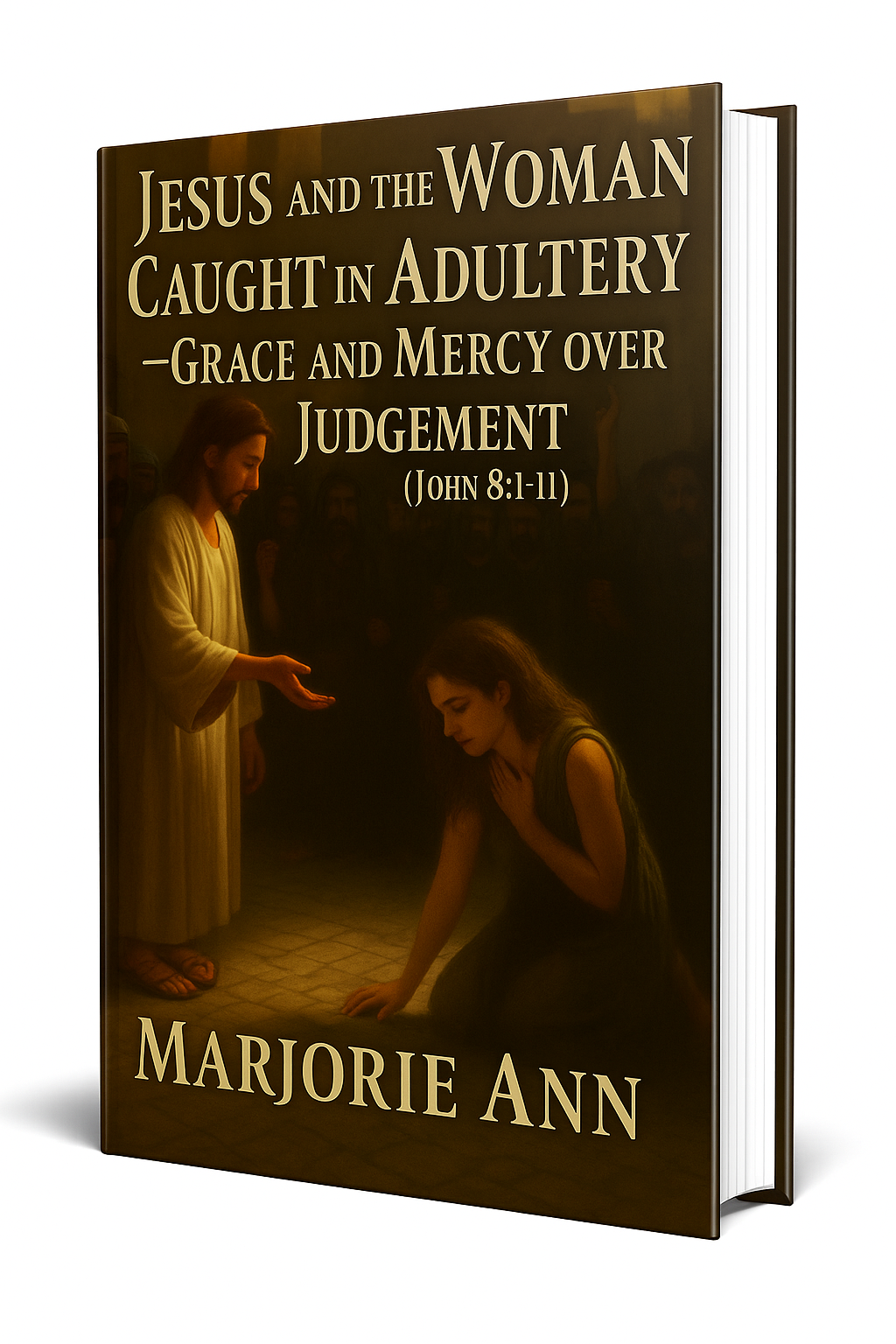
Jesus and the Woman Caught in Adultery — Grace and Mercy Over Judgment
A powerful retelling of Gospel of John 8:1–11, exploring forgiveness, mercy, and Christ’s compassion.
If you’re reflecting on spiritual growth and obedience, this story will remind you that transformation begins with grace.
Sponsored recommendation

Acknowledgment: All Bible verses referenced in this article were accessed via Bible Gateway (or Bible Hub).
“Want to explore more? Check out our latest post on Why Jesus? and discover the life-changing truth of the Gospel!”