



Introduction
The Story of Esther is one of the most unique and powerful narratives in the Bible. Unlike many other books, God’s name is never directly mentioned—yet His presence is unmistakable throughout the entire story.
Set in the Persian Empire, this account follows a young Jewish woman named Esther who rises to become queen and ultimately risks her life to save her people. What unfolds is not just a story of courage, but a profound picture of divine timing, hidden providence, and purpose.
If you’ve ever wondered whether God is working behind the scenes in your life, Esther’s story gives a clear and powerful answer.
Summary of the Story of Esther
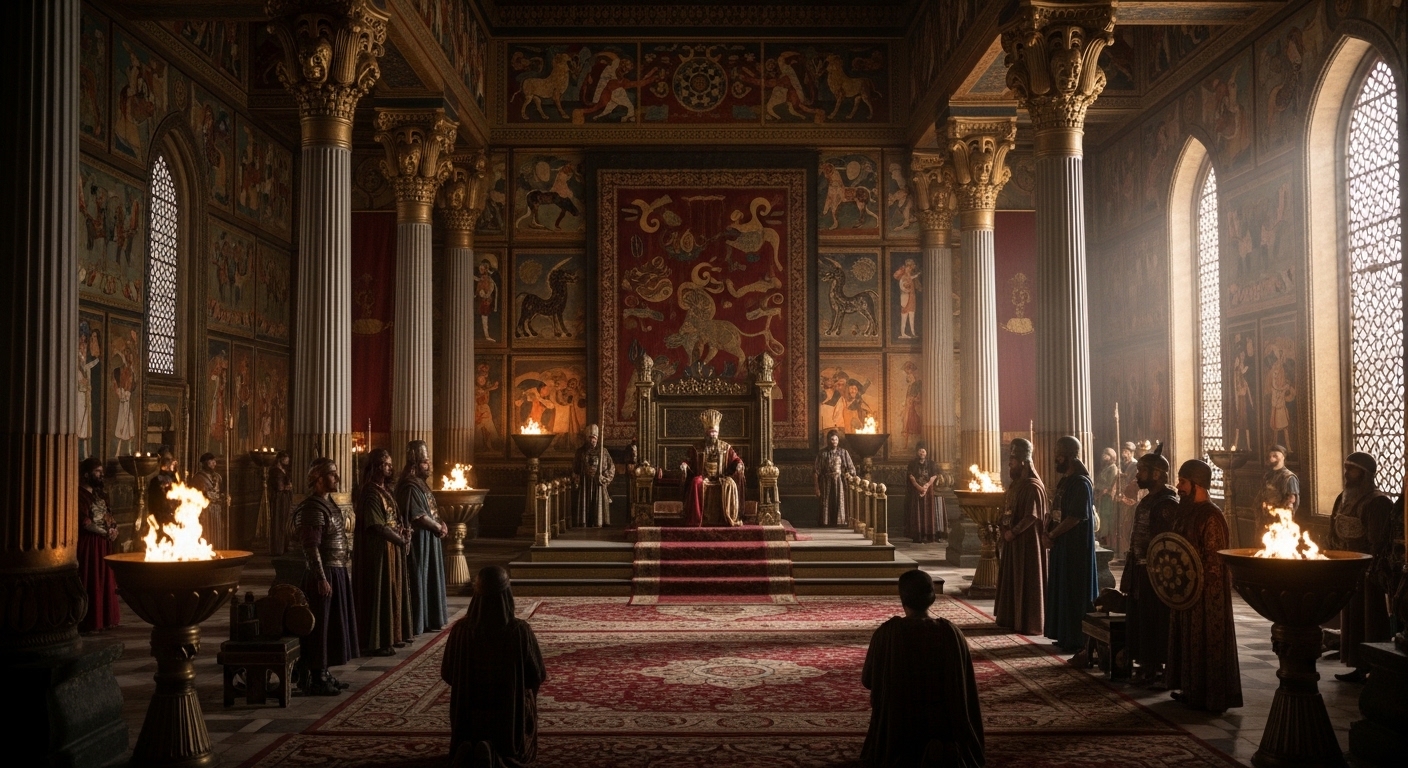
The story takes place during the reign of King Ahasuerus (Xerxes I), ruler of the vast Persian Empire stretching from India to Ethiopia.
After Queen Vashti is removed from her position, the king searches for a new queen. Esther, a Jewish orphan raised by her cousin Mordecai, is chosen (Esther 2:17), though she keeps her identity hidden.
Meanwhile, Haman, a powerful official, becomes enraged when Mordecai refuses to bow to him. His anger grows into a plan to destroy all the Jews across the empire (Esther 3:5–6).
When Mordecai learns of the plot, he urges Esther to intervene. Though approaching the king without being summoned could result in death, Esther chooses to act:
“And who knows but that you have come to your royal position for such a time as this?” (Esther 4:14)
Esther exposes Haman’s plot, and Haman is executed. However, his death does not cancel the earlier royal decree. Esther appeals again, and Mordecai issues a new decree under the king’s authority allowing the Jews to gather and defend themselves. Their deliverance leads to the celebration of Purim.

Historical Context of the Book of Esther
The events of Esther take place in ancient Persia during the reign of King Xerxes I. This empire was one of the largest in the ancient world, known for its wealth, power, and diverse population.
The Jewish people lived as a minority in exile, often dependent on the favor of rulers. This setting adds tension to the story—Esther’s position in the palace was not just influential, but critical for survival.
Understanding this context helps explain the risks Esther faced and the magnitude of her courage.
Key Characters in the Book of Esther
Esther
A Jewish orphan who becomes queen of Persia. She demonstrates courage, wisdom, and deep responsibility when she risks her life to save her people.
Mordecai
Esther’s cousin and guardian. A man of integrity and faith, he plays a crucial role in uncovering danger and guiding Esther.
Haman
A high-ranking official driven by pride and hatred. His desire for power leads him to plot the destruction of the Jewish people.
King Ahasuerus (Xerxes)
The ruler of Persia. Though powerful, his decisions are often influenced by those around him.
Major Events in the Story of Esther
- Queen Vashti is removed
- Esther is chosen as queen
- Mordecai uncovers a plot against the king
- Haman rises to power and plots against the Jews
- Esther learns of the danger
- Esther risks her life to approach the king
- Esther exposes Haman’s plan
- Haman is executed.
- The Jews are delivered and celebrate
A new royal decree allows the Jews to defend themselves.
Esther’s Courage and Faith
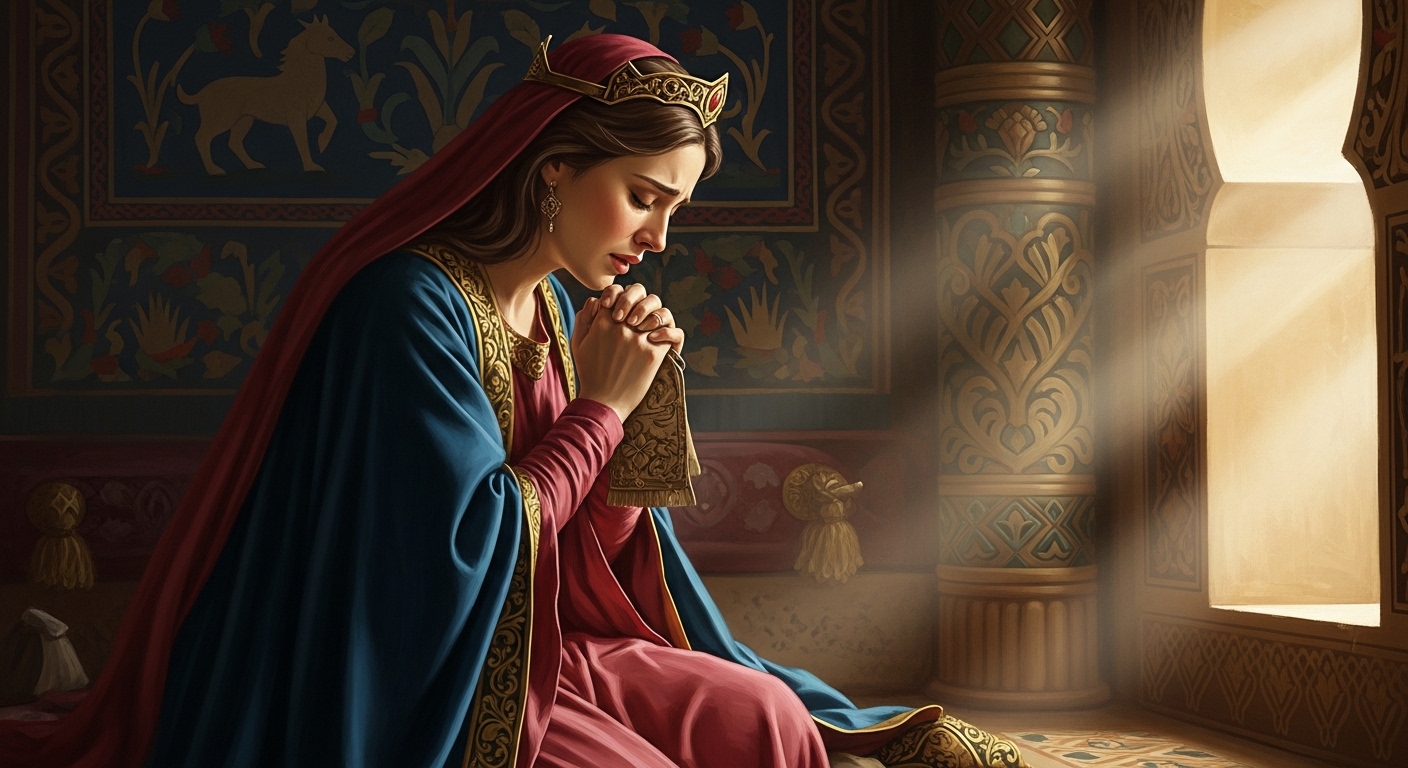
Esther’s turning point comes when she decides to act despite the risk:
“If I perish, I perish.” (Esther 4:16)
She moves from fear to faith, showing that courage is not the absence of fear—but obedience in the face of it. Faith often grows strongest during difficult seasons when believers choose obedience even before they see the outcome clearly.
Her story reminds us that God often works through our willingness to step forward, even when the outcome is uncertain.
God’s Providence: Working Behind the Scenes
One of the most remarkable aspects of Esther is that God’s name is never mentioned.
Yet His hand is evident in:
- Esther becoming queen
- Mordecai uncovering a plot
- The king’s sleepless night (Esther 6:1)
- The reversal of Haman’s plan
These are not random events—they point to divine providence.
Even when God seems silent, He is still in control. Many believers experience seasons where God feels distant or silent, yet Scripture repeatedly shows that He continues working behind the scenes even when His presence is not immediately visible.
Spiritual Preparation: Esther’s Season of Waiting
Before Esther ever stepped into the moment of courage, she went through a season of preparation inside the palace.
She didn’t immediately act when she became queen. Instead, she waited, listened, and remained under Mordecai’s guidance (Esther 2:10, 2:20).
Before approaching the king, Esther asked the Jews in Susa to fast for three days, and she and her attendants would fast too. Esther 4:16 explicitly mentions fasting; it does not explicitly mention prayer.
This shows an important pattern:
God often prepares people quietly before He positions them publicly.
Esther’s courage didn’t come out of nowhere—it was formed through timing, restraint, and dependence on God.
Before major spiritual assignments, preparation often looks like:
• Waiting when you feel pressure to act quickly
• Seeking wisdom before making decisions
• Strengthening faith in hidden seasons
• Learning obedience in small steps
This is where many believers miss growth—by rushing the process instead of recognizing that delay can also be preparation.
The Meaning of “For Such a Time as This” (Esther 4:14)
This verse is one of the most well-known lines in the Bible:
“And who knows but that you have come to your royal position for such a time as this?”
Mordecai’s words reveal a powerful truth: Esther’s position was not accidental—it was purposeful.
This moment teaches that:
- God places people in specific situations for a reason
- Your current season may have a greater purpose
- Courage often unlocks that purpose
It challenges us to ask: Where has God placed me right now—and why?
The Downfall of Haman and Divine Justice
Haman’s story is a powerful warning about pride.
He builds gallows to execute Mordecai—but ends up being executed on them himself (Esther 7:10).
This dramatic reversal shows that justice, though sometimes delayed, is never absent.
God’s justice may work quietly, but it always prevails.

The Celebration of Purim
After their deliverance, the Jewish people establish the festival of Purim.
Purim is still celebrated today as a reminder of:
- God’s faithfulness
- Esther’s courage
- The victory of good over evil
It is a joyful celebration marked by reading the story, giving gifts, and remembering God’s deliverance.
Life Lessons from the Story of Esther
The story of Esther is not just history—it’s deeply practical for everyday life.
1. Courage in the face of fear
Esther was afraid, yet she acted anyway. True courage is choosing to do what is right even when it’s risky.
2. God is working even when you don’t see Him
Even though God is not mentioned in Esther, His hand is evident throughout the story.
3. Your position has a purpose
Esther was placed in the palace for a reason—and you may be where you are for a reason too. God often uses ordinary people in unexpected situations to accomplish purposes far bigger than they initially understand.
4. Speaking up can change everything
Esther’s decision to speak was important in the deliverance of her people. Yet Mordecai had expressed confidence that deliverance would arise from another place if she remained silent. Her example encourages us to accept responsibility and act courageously when others need help.
5. You can make a difference—even if you feel unqualified
Esther was an orphan, yet she became the instrument of deliverance.

How the Story of Esther Applies to Your Life Today
The story of Esther speaks directly to real-life situations:
- When you feel uncertain → Trust that God is still working. Spiritual maturity often develops quietly through uncertainty, waiting, and learning to trust God without having every answer immediately.
- When you feel afraid → Take the next step in faith
- When you feel insignificant → Remember God uses ordinary people
- When you see injustice → Speak up and stand firm
Like Esther, you may be in your current situation for a reason you don’t fully see yet.
Frequently Asked Questions About the Story of Esther
1. Why is the Book of Esther important if God is not mentioned?
Even though God’s name is not directly written, His actions are clearly seen throughout the story. Esther reveals that God can work powerfully behind the scenes without being visibly mentioned.
2. What is the main message of the Story of Esther?
The main message is that God is always working through timing, people, and circumstances—even in hidden ways—and that courage and obedience can change outcomes.
3. What does “for such a time as this” really mean?
It means Esther’s position was not random. She was placed in that situation with purpose, and her willingness to act became the key to saving her people.
4. Was Esther forced to become queen?
Esther 2:8 describes Esther being brought into the king’s household under the royal order. The account does not explain how much freedom she had to refuse. We should therefore avoid stating with certainty that she freely chose the process.
5. Why did Esther risk her life to approach the king?
In the Persian court, approaching the king without being summoned could lead to death. Esther risked her life because she understood the danger facing her people was greater than her personal safety.
6. What can we learn from Mordecai?
Mordecai represents wisdom, integrity, and faithfulness. He teaches the importance of standing firm in truth, even when it is unpopular or dangerous.
7. What does Haman represent in the story?
Haman represents pride, hatred, and unchecked ambition. His downfall shows that pride ultimately leads to destruction.
8. What is Purim and why is it celebrated?
Purim is a Jewish festival that celebrates the deliverance of the Jewish people from Haman’s plan. It reminds them of God’s protection and Esther’s courage.
9. How does Esther’s story apply to modern life?
It teaches that your current position in life may have purpose. Even in uncertainty, God can use your voice, choices, and courage to impact others.
10. What is the biggest lesson from Esther’s life?
The biggest lesson is that obedience in fearful moments can lead to breakthrough—not just for you, but for many others.
Final Thoughts
The Story of Esther reminds us that God is always at work—even when He seems silent.
Through courage, faith, and divine timing, Esther changed the course of history. She didn’t start as powerful—but she was willing.
And that’s the key.
You don’t need to have everything figured out. You just need to be willing to step forward when it matters most. Like Esther, many of the hardest moments of faith begin with prayer, surrender, and trusting God before the outcome becomes visible.
Because like Esther, you may be exactly where you are…
for such a time as this.
Continue Growing Spiritually
If Esther’s story encouraged you, continue growing in your faith with these biblical studies:
• The Holy Spirit Explained (Who He Is, How He Works, and How He Guides Believers) — Discover how God guides, strengthens, and transforms believers through the Holy Spirit.
• How the Holy Spirit Works in Your Daily Life — Learn practical ways the Holy Spirit leads, comforts, convicts, and empowers Christians each day.
• The 9 Fruits of the Spirit Explained (Galatians 5:22–23) — Explore the Christlike character the Holy Spirit develops in every believer.
• Finding Faith in Trials: A Bible-Based Guide— Find biblical encouragement for seasons of uncertainty, waiting, and struggle.
• How To Walk In The Holy Spirit Daily (Simple Biblical Guide) — Learn practical habits that help you stay connected to God and grow spiritually every day.
These studies will help you deepen your trust in God, strengthen your faith, and continue growing in your walk with Christ.
🔗 Explore More
👉 If you want a deeper understanding of Esther’s courage and how it applies today, read our full guide on Esther’s Courage and Boldness.
👉 Learn what it truly means to be called “for such a time as this” in Esther 4:14 Meaning Explained.
👉 Discover practical ways to overcome fear in Faith Over Fear: Lessons from Esther.
👉 See how spiritual preparation shaped Esther’s victory in Esther’s Prayer and Fasting: Power Before Action.