


Introduction
Many people are drawn to Scripture because it reaches into the deep questions of life: what matters, how you should live, and who God is. You might have come across Jesus’ haunting question, “What good is it for someone to gain the whole world, yet forfeit their soul?” and felt a tug at your heart about priorities and meaning. That tension—between what the world offers and what God asks of you—lies at the heart of the biblical idea called “the fear of the Lord.”
When the Bible speaks of “the fear of the Lord,” it’s not asking you to be terrified of God. Instead, it invites you into a posture of reverent awe, humble dependence, and trustworthy obedience. In this article you’ll explore one of the clearest lines about that posture: Proverbs 9:10. You’ll see who wrote it, what it meant in its ancient context, how it translates into your daily life, and why this idea still matters in your modern world full of noise, uncertainty, and competing priorities.
Before we dig into Proverbs, reflect briefly on Jesus’ line as a companion thought: when you hold tight to everything the world promises—wealth, status, control—what does that do to your relationship with God? That question helps set the stage for understanding why “fear of the Lord” matters more than self-sufficiency or even cleverness.
For clarity, here’s the verse that will center our study: Proverbs 9:10

The Bible Verse Explained
“The fear of the LORD is the beginning of wisdom, and knowledge of the Holy One is understanding.” — Proverbs 9:10
This brief sentence carries heavy theological and practical weight. You’ll want to understand who said it, who listened, the setting that shaped it, and the central point the author is making.
- Who wrote it: Proverbs is part of the wisdom literature in the Old Testament. Much of Proverbs is traditionally attributed to Solomon, the king famed for great wisdom. The book also gathers sayings from other wise teachers and editors who preserved and arranged these short, instructive statements. While Solomon is credited with many of the original proverbs (see Proverbs 1:1 and 10:1), the final compilation likely came together over centuries as Israel’s wise voices were collected.
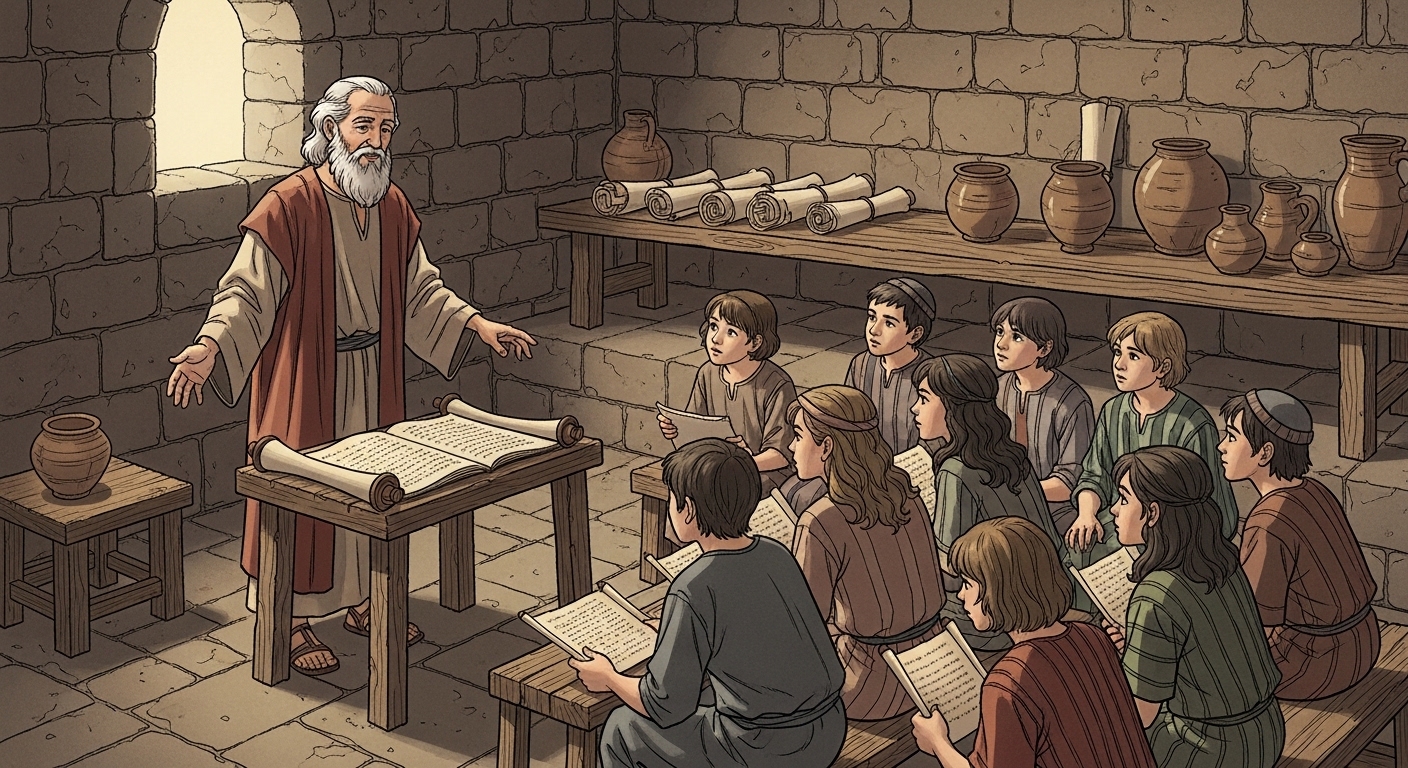
- Who it was written to: The original audience for Proverbs was primarily the people of Israel—young men and women being taught how to live well, especially within family and community. Proverbs often addresses “my son” or “my child” and functions as a handbook for moral and practical living, guiding everyday conduct, relationships, and spiritual understanding.
- The historical setting: Proverbs emerged in the ancient Near Eastern world, where wisdom literature flourished—Egypt, Mesopotamia, and Israel all produced collections of ethical sayings and reflections. The Israelite setting gives Proverbs a distinctive theological center: wisdom is rooted in the character and revelation of Yahweh (the LORD). While the exact dates vary, the core of Proverbs reflects monarchic Israel’s concerns about leadership, family, justice, and the flourishing of community life under God’s order.
- The key message of the passage: Proverbs 9:10 claims that true wisdom begins with the right relationship to God. “Fear of the LORD” here functions as a foundational orientation: when you revere God rightly, you’re positioned to gain wisdom. And “knowledge of the Holy One” brings true understanding. Essentially, intelligence and skill are not substitutes for moral–spiritual insight; the transformation begins with humility before God and an active trust in who God is.
After you read that verse in context, you’ll see that wisdom in Proverbs is practical—not just abstract philosophy. It’s about living in ways that help you and your community flourish under God’s rule.
What Does This Verse Really Mean?
When you unpack Proverbs 9:10, you’ll discover layers that address attitude, relationship, and action. Below are three lenses that help you approach its deeper meaning.
1. Understanding the Message of the Verse
At its core, Proverbs 9:10 asserts that the starting point for true wisdom is a right reverence for God. “Fear” here includes awe, respect, and moral seriousness—an awareness that God is holy, just, loving, and worthy of your allegiance. This kind of fear is not mere emotion; it’s the soil from which wise choices grow.
Wisdom, in this biblical sense, is practical excellence in living—knowing how to order your life so you flourish, honor God, and serve others. Knowledge of the “Holy One” isn’t merely intellectual information about God. It is relational—you come to know God in ways that shape your decisions, priorities, and moral commitments. Understanding flows from both reverence and relationship.
2. Trusting God’s Wisdom and Guidance
When Proverbs says fear of the Lord is the beginning of wisdom, it points you away from self-reliance. You’ll naturally be tempted to trust your own judgment, cultural norms, or short-term gains. This verse invites you instead to lean on God’s wisdom: to let his character and commands shape your planning and perspective.
Trusting God’s guidance doesn’t remove your responsibility to think, plan, or act. Rather, it reorders how you evaluate options, handle failure, and interpret success. You learn to ask not just “Will this benefit me?” but “Will this honor God and align with his revealed will?” In many ways, fearing God cultivates a posture of humility that opens you to correction, counsel, and discipleship.
3. Living Out This Truth in Everyday Life
If fear of the Lord begins wisdom, then your daily habits become training grounds for wisdom. How you speak to your spouse, how you treat co-workers, how you manage money, and how you respond to setbacks are all arenas where fear of the Lord shows its impact.
Practically, a reverent heart will influence priorities: you’ll value honesty over shortcutting, generosity over hoarding, accountability over pride, and prayer over panic. Understanding God helps you read life through a different lens—eternity-tinted, morally grounded, and relationally focused.
As you practice these attitudes, you’ll see that wisdom isn’t a one-time attainment; it’s a way of living shaped by a sustained relationship with God.

Why This Verse Still Matters Today
You might wonder: does an ancient proverb still speak to the complex realities of modern life? The answer is yes. The principle that reverence for God grounds true wisdom has contemporary implications that can steady you in seasons of change, confusion, and pressure.
First, faith during uncertainty. In economic instability, health crises, and social upheaval, fear of the Lord gives you a center. When the ground feels shaky, reverence for God reminds you that ultimate authority and hope rest with a faithful, sovereign God. That’s not a promise that life will be easy, but it is a promise that your life is situated within a larger, meaningful story.
Second, trusting God in difficult seasons. Fear of the Lord cultivates the humility needed to admit weakness, seek counsel, and rely on God’s grace. Instead of pretending you have all the answers, this posture frees you to ask for help, learn from hardship, and grow in character.
Third, spiritual growth. If you’re earnest about maturing in faith, fearing God is not legalism; it’s a disciplining love that shapes your moral imagination. Reverence for God fuels worship, obedience, and devotion—practices that deepen your spiritual life and sharpen your moral discernment.
Finally, encouragement from Scripture. The Bible repeatedly returns to the theme that knowing God rightly changes everything. When you allow that truth to shape your thinking, you’ll find Scripture speaking into ethical dilemmas, vocational choices, and relational conflicts in ways that transform your heart and actions.
How to Apply This Verse in Your Life
Turning an abstract principle into daily practice is the challenge—and the joy—of faith. Below are practical steps you can take to live out the wisdom that begins with reverence for God.
1. Reflect on God’s Word Daily
Make Scripture more than occasional reading; let it be a living conversation that informs your day. Regular reflection helps you see God’s character and commands, which shapes what fear of the Lord actually looks like in your choices. Short, consistent habits—morning devotion, journaling a verse, meditative reading—help you internalize biblical wisdom. Over time the Word rewires your instincts.
2. Pray for Wisdom and Guidance
Ask God for insight in real time. When you face decisions, pray specifically: “Lord, help me to fear you rightly in this choice. Give me wisdom to act in a way that honors you.” Prayer humbles you, aligns your will with God’s, and invites his Spirit to guide practical steps. Trust that God is attentive to your requests and able to supply the discernment you need.
3. Trust God Even When Life Feels Uncertain
Practice trust in small things before crises come. When plans change, respond with brief, honest prayers and a willingness to look for God’s hand. Trust doesn’t mean passivity; it means actively seeking God’s direction and being ready to pivot when he leads. Remember that fearing God gives you resilience: you know that even in unpredictability, God’s purposes can bring good.
4. Live Out Your Faith Through Action
Let fear of the Lord translate into tangible choices: speak truth in difficult conversations, protect the vulnerable, honor commitments, give generously, and pursue justice where you can. Action cements belief; obedience trains your heart to align with God’s priorities. Practical faith is not performative—it grows out of a genuine reverence that has already transformed your heart.
Each of these steps is a discipline. You won’t master them overnight. But as you practice, you’ll notice your decision-making, relationships, and spiritual rhythms forming around the healthy center that Proverbs recommends.

Common Misunderstandings About This Verse
When people encounter Proverbs 9:10, several misunderstandings can lead them astray. Here’s a chance to clear up some common errors so you can grasp the verse more faithfully.
- Fear equals terror: One frequent mistake is assuming “fear of the Lord” is the same as being scared of God. Not so. Biblical fear includes reverent awe, deep respect, and humility. It acknowledges God’s holiness and justice, but it also recognizes God’s loving kindness, mercy, and desire for relationship.
- Wisdom equals intelligence alone: Another misunderstanding treats wisdom as mere intellectual acumen or cleverness. The Bible’s wisdom is moral and relational. You can be smart and yet foolish if your decisions are ethically shortsighted or self-centered. Proverbs roots wisdom in Godward orientation.
- Using the verse as a magical promise: Some read wisdom passages as a guarantee for material success if they “fear God” correctly. Proverbs offers general patterns, not mechanical promises. Fear of the Lord often leads to flourishing, but it doesn’t exempt you from suffering, trials, or misfortune. Applying the verse requires nuance: trust God’s goodness even when life is hard.
- Applying the verse in isolation: Finally, people sometimes lift single verses out of their literary and theological context and treat them as stand-alone proof-texts. Proverbs is part of a larger biblical wisdom tradition that includes narrative, law, and prophetic perspectives. Let the verse sit within Scripture’s broader counsel about God’s character and redemptive work.
When you correct these misunderstandings, Proverbs 9:10 becomes less of a slogan and more of a life-shaping principle that draws you into mature faith.
Bible Verses Related to This Passage
Seeing related Scripture helps you understand Proverbs 9:10 within the whole counsel of God. Each of these passages echoes or illuminates the theme that reverence for God shapes wisdom and life.
- Proverbs 1:7 — “The fear of the LORD is the beginning of knowledge, but fools despise wisdom and instruction.” This verse reinforces the idea that reverent fear is the starting point not just of wisdom but of knowledge itself, making a strong conceptual pair with Proverbs 9:10.
- Proverbs 3:5–6 — “Trust in the LORD with all your heart and lean not on your own understanding; in all your ways submit to him, and he will make your paths straight.” These verses connect the posture of trust—built on reverence—with the practical outcome of God’s guidance.
- Psalm 111:10 — “The fear of the LORD is the beginning of wisdom; all who follow his precepts have good understanding. To him belongs eternal praise.” The psalm echoes Proverbs, adding praise and devotion as responses shaped by reverence.
- Romans 11:33–36 — This New Testament passage expresses awe at God’s wisdom and knowledge, highlighting that human insight is finite in the face of God’s depth. It invites you into worshipful humility—an advanced form of fearing the Lord.
- Hebrews 12:28–29 — These verses link reverent worship with obedience and remind you that God is a consuming fire—a holy, powerful presence that calls for humble fear and reverent service.
Each of these passages helps you see that fear of the Lord is not a narrow, archaic idea but a theme woven through Scripture that shapes worship, wisdom, and daily living.
Frequently Asked Questions About This Verse
What does this verse mean in simple terms?
- In everyday language, Proverbs 9:10 says: “Having a deep respect and reverence for God is where true wisdom begins. When you know and honor God, you begin to understand life rightly.” It emphasizes relationship and humility as the first steps toward living wisely.
Who wrote this verse in the Bible?
- The book of Proverbs is traditionally linked to King Solomon, known for his wisdom. However, Proverbs is a collection that includes sayings from multiple wise teachers and later editors. While Solomon is a central figure, the final form of Proverbs reflects a broader tradition of Israelite wisdom literature.
What is the main message of this verse?
- The main message is that wisdom is not just cleverness or knowledge; it begins with a right relationship to God—reverence, trust, and knowing the Holy One. From that foundation, true understanding and good judgment flow.
How should Christians apply this verse today?
- Apply it by cultivating reverence for God through Scripture, prayer, worship, and obedience. Let that reverence inform decisions, relationships, and priorities. Practically, that looks like choosing integrity over short-term gain, seeking counsel, committing to spiritual disciplines, and trusting God’s guidance during uncertainty.
A Short Prayer Inspired by This Verse
Heavenly Father,
Thank You for the wisdom and truth found in Your Word. Help me understand and live out the message of this verse each day. Strengthen my faith, guide my steps, and teach me to trust You more deeply in every season of life. Fill me with reverent awe and a humble heart that seeks Your face. May my choices reflect Your wisdom and bring glory to Your name.
In Jesus’ name, Amen.
 Continue Your Growth Journey
 If you want to understand this more clearly:
The Lord Is My Shepherd: The Deep Meaning Of Psalm 23 Explained
If you want practical daily steps:
10 Short Morning Devotionals For Busy Christians
If you feel stuck or discouraged:
The 9 Fruits Of The Spirit Explained (Galatians 5:22–23)
If you want to know if you’re truly growing:
Spiritual Maturity: 8 Biblical Signs You’re Growing In Christ
If you want to stand strong in spiritual battles:
The Armor Of God Explained: The Meaning Of Each Piece
Acknowledgment: All Bible verses referenced in this article were accessed via Bible Gateway (or Bible Hub).
“Want to explore more? Check out our latest post on Why Jesus? and discover the life-changing truth of the Gospel!”