

The early Church didn’t have a soft landing. If you read the stories, you’ll see conflict, misunderstanding, and moments when following Jesus cost believers their safety, reputation, and sometimes their lives. You might wonder: why were Christians hated so intensely at first? What made their message so threatening to the people around them? And how did a movement that began with marginal, often persecuted followers end up spreading across the Roman Empire and beyond?
This article walks you through the historical, religious, social, and theological reasons for early Christian persecution, connects those reasons to key Bible passages, and helps you draw practical applications for your faith today. You’ll see how opposition sometimes strengthened the Church, not weakened it, and why the message of Jesus called for choices that made people uncomfortable.

⚔️ The Key Bible Passage
Before diving into history, hold onto this warning from Jesus: John 15:20. He said, “If they persecuted Me, they will persecute you also.” That line sets an expectation for the early followers and for you: discipleship can involve rejection and suffering. The passage places the experience of persecution squarely in the life of anyone who follows Christ.
Why Christians Were Hated: A Big Overview
Persecution wasn’t caused by a single factor. It came from a mix of religious difference, social disruption, political anxiety, cultural misunderstanding, and moral challenge. For you, understanding those pathways helps you empathize with early Christians and also spot how similar dynamics work in your context today.
- Religiously: Christians refused the prevailing religious practices, including emperor worship.
- Socially: The movement invited people to abandon certain social norms and economic ties.
- Politically: Loyalty to Christ looked like a rival allegiance in a political system that prized unity under Rome.
- Culturally: Misunderstandings produced rumors of immoral or dangerous behavior.
- Theologically: The message threatened entrenched religious authorities who had influence and power.
Now let’s unpack the major reasons one by one, with biblical and historical context.
😠 1. Christians Followed Jesus, Not Caesar
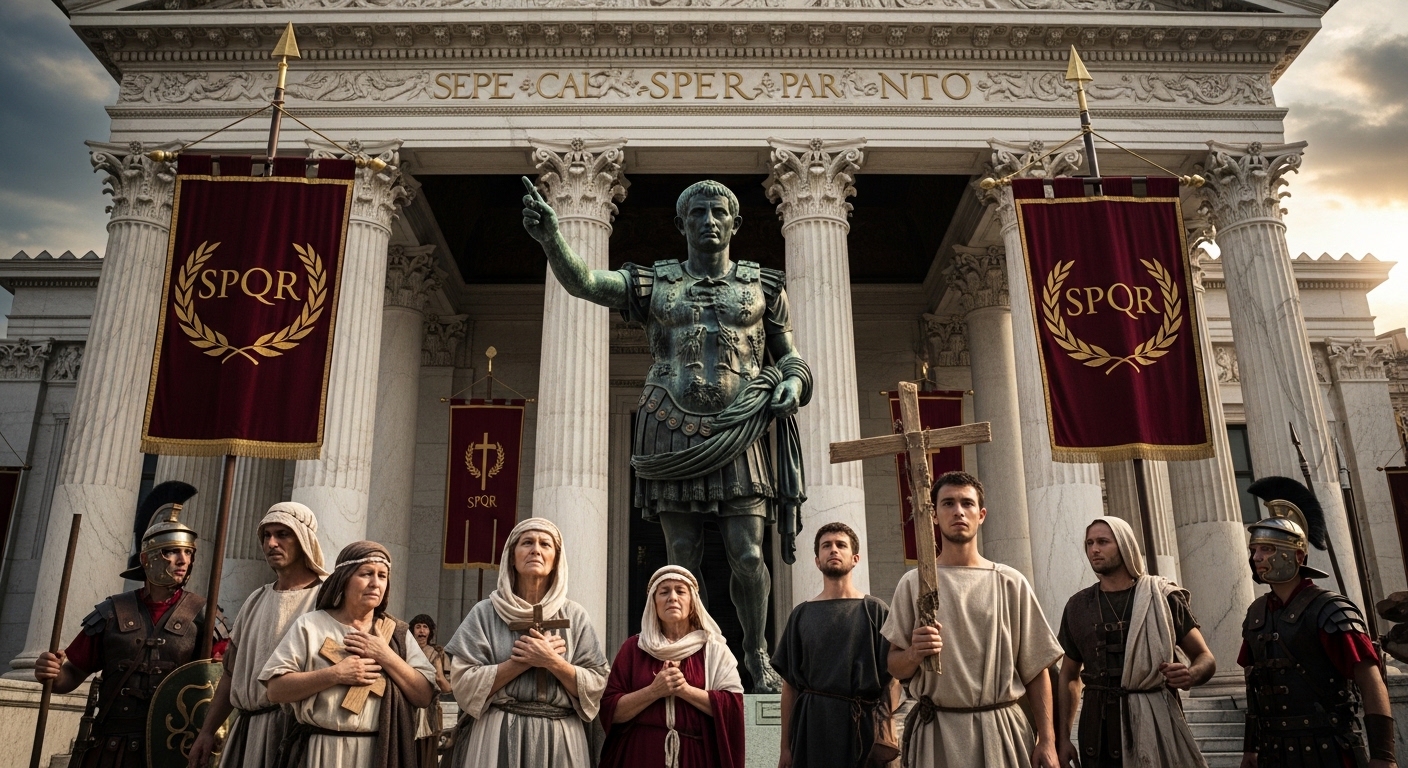
In the Roman world, religion and politics were deeply entwined. Public loyalty to Rome was expressed through participating in civic cults and sometimes offering honor to the emperor. When Christians declared “Jesus is Lord,” they weren’t only making a spiritual confession—they were implicitly challenging the expected civic allegiance to Caesar.
This clash of loyalties felt subversive. To Romans and many non-Christian observers, Christians were refusing to perform rituals that guaranteed social cohesion and public good. That refusal looked like disloyalty or even sabotage of the social fabric.
Scripture reflects this tension. Jesus himself prepared you that following Him would set you against the values of the world. See John 15:20. Later apostolic teaching also acknowledged that Christians could expect hostility in a world ruled by powers opposed to Christ (compare 2 Timothy 3:12).
For you today, the application is clear: faith sometimes requires standing firm against cultural expectations. When your beliefs conflict with a deeply held civic or cultural practice, you may face pushback. That’s a reality Jesus anticipated.
🏛️ 2. Their Beliefs Challenged Society
Christianity didn’t simply add a new religious option to the marketplace of beliefs. It criticized and replaced many practices people relied on, both religious and social. Christianity denounced idolatry, reoriented moral expectations, and offered a new vision of community that cut across traditional divisions like class, ethnicity, and patronage.
When Christianity spread through the cities, it hit the nerves of existing institutions. Local religious leaders lost influence and income. The social order shifted when slaves, freed people, and women found roles and dignity they hadn’t previously been given. Such changes created resentment and sometimes coordinated backlash.
Look at how outsiders described Christians in some cities: they were accused of causing trouble across the empire (Acts 17:6 records a frightened reaction in Thessalonica). The charge wasn’t always precise; it reflected fear that an unfamiliar movement was disrupting normal life.
For your life, when truth requires you to challenge unjust systems, you should expect resistance. That doesn’t mean you act recklessly; it means you prepare your heart for pushback and learn to speak truth in love.
🔥 3. False Accusations and Misunderstanding
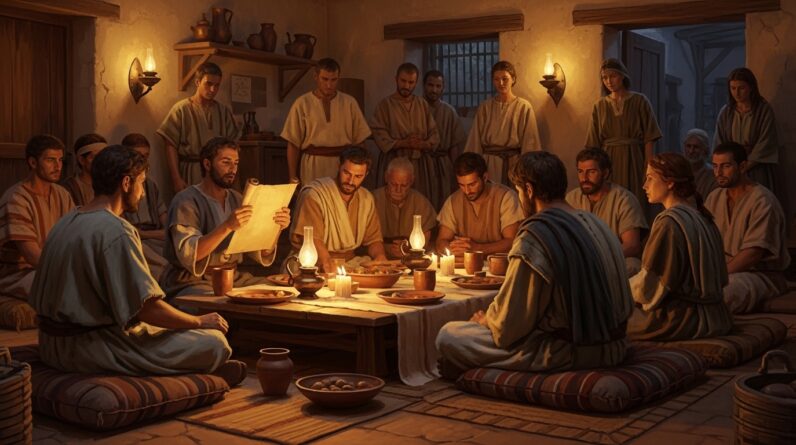
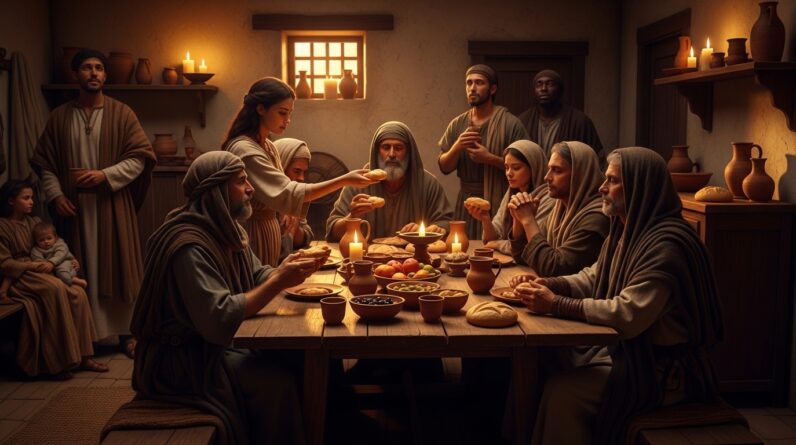
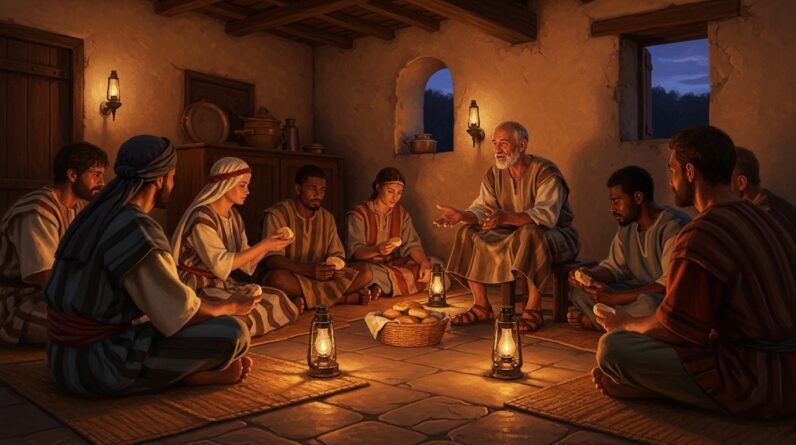
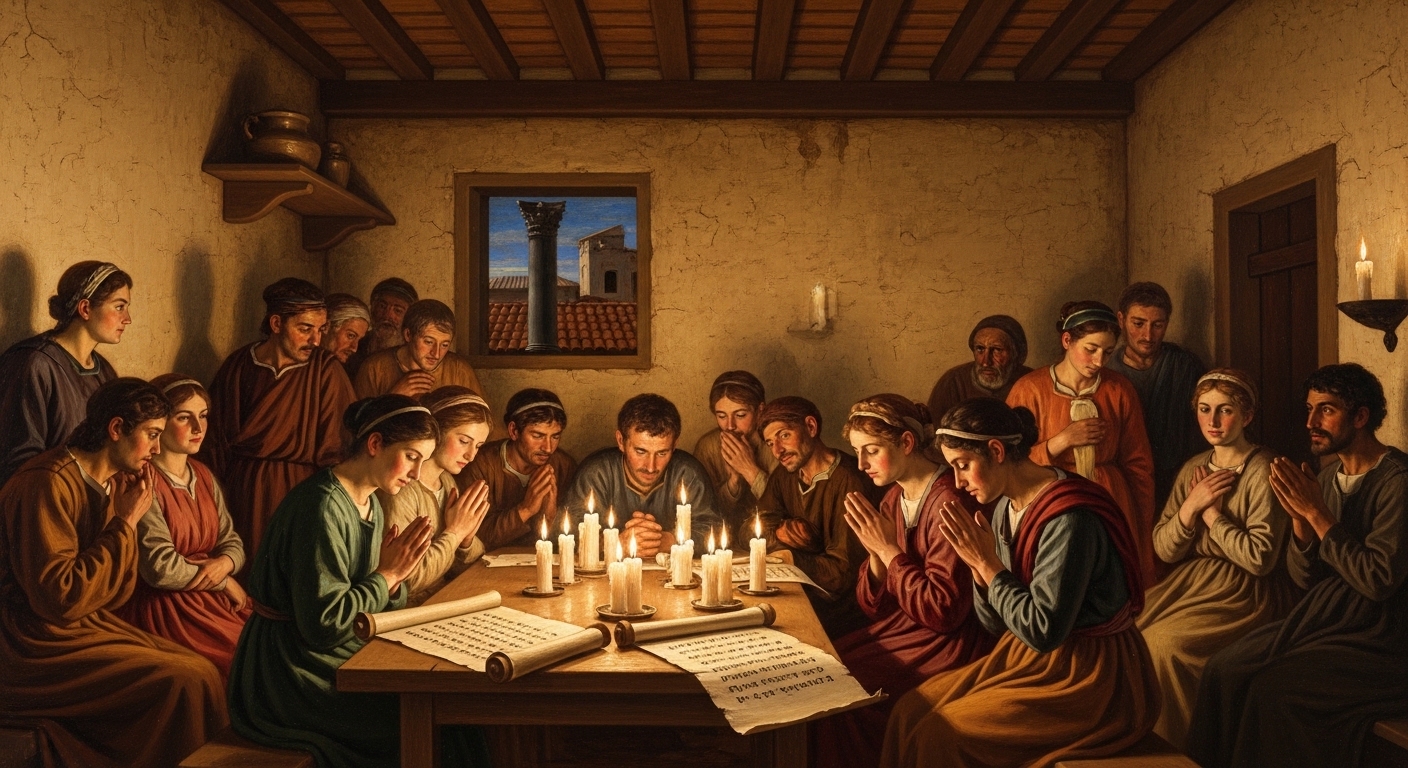
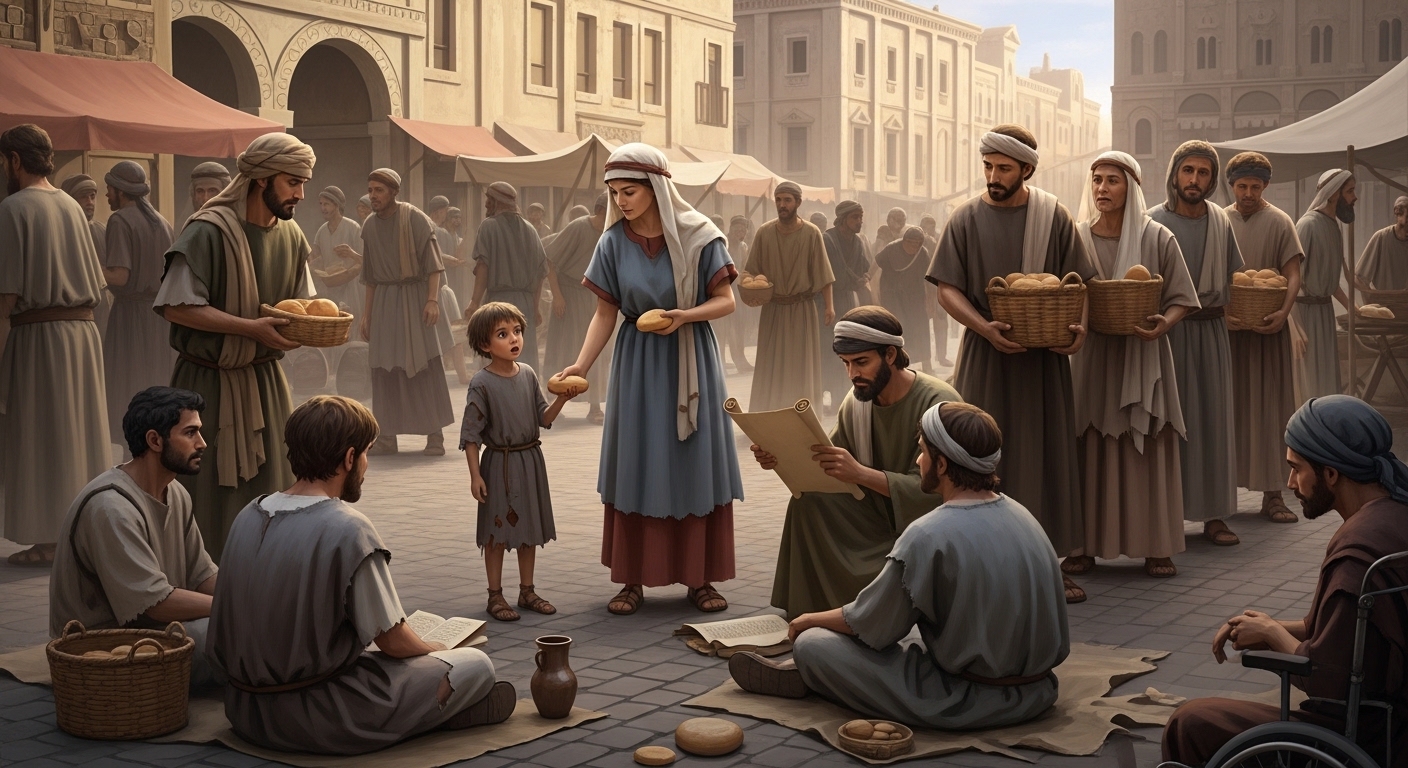
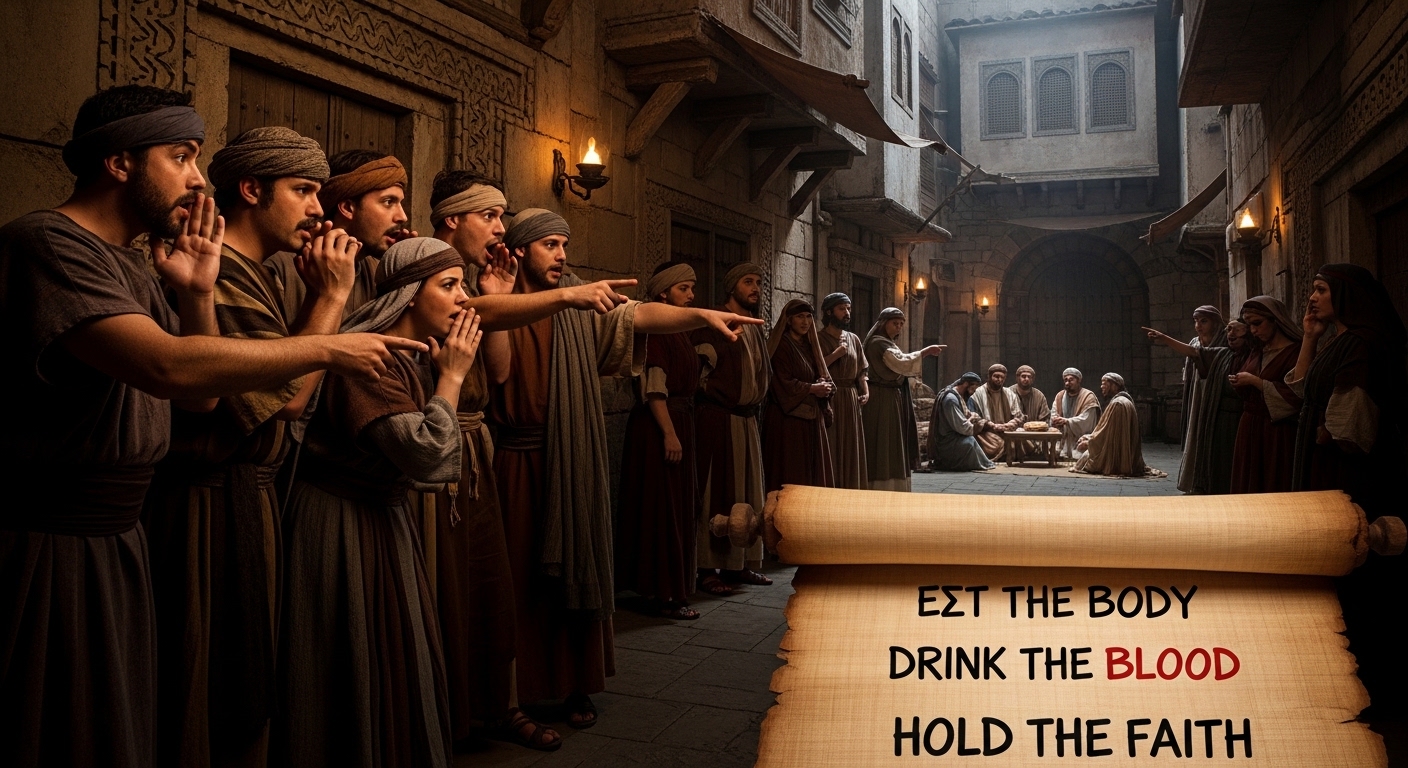
One painful dimension of early persecution was how much of it came from ignorance and rumor. Christians met in private homes, used language like “the body” and “the Lord’s supper,” and gathered as a community that called each other “brother” and “sister.” To outsiders unfamiliar with these practices, these things could be twisted into scandalous accusations—cannibalism, incest, sedition.
These misunderstandings were exploited. Local authorities or mobs sometimes used sensational charges to justify violence or legal action. The Christian refusal to perform civic religious rites fed the fire, because declining to participate in communal sacrifices marked you as “other.”
You’ll see this dynamic throughout history and around the world: unfamiliar, countercultural practices breed fear, and fear breeds false stories. The practical response is twofold: stay patient when mischaracterized, and be proactive in communicating the truth about your faith with humility and clarity.
⛓️ 4. Persecution Strengthened the Church
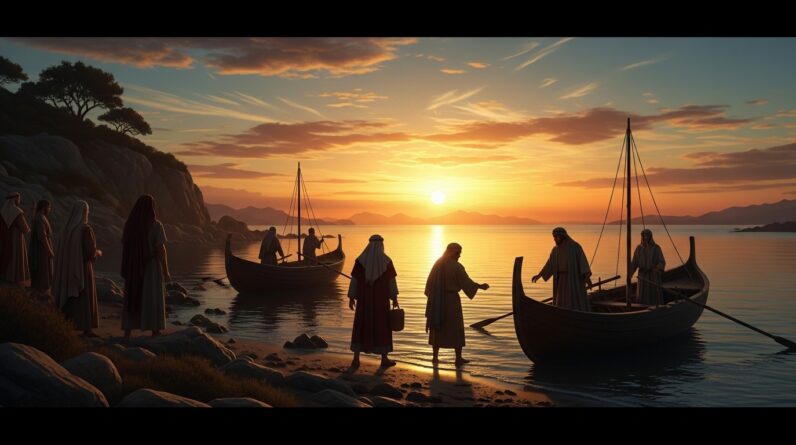
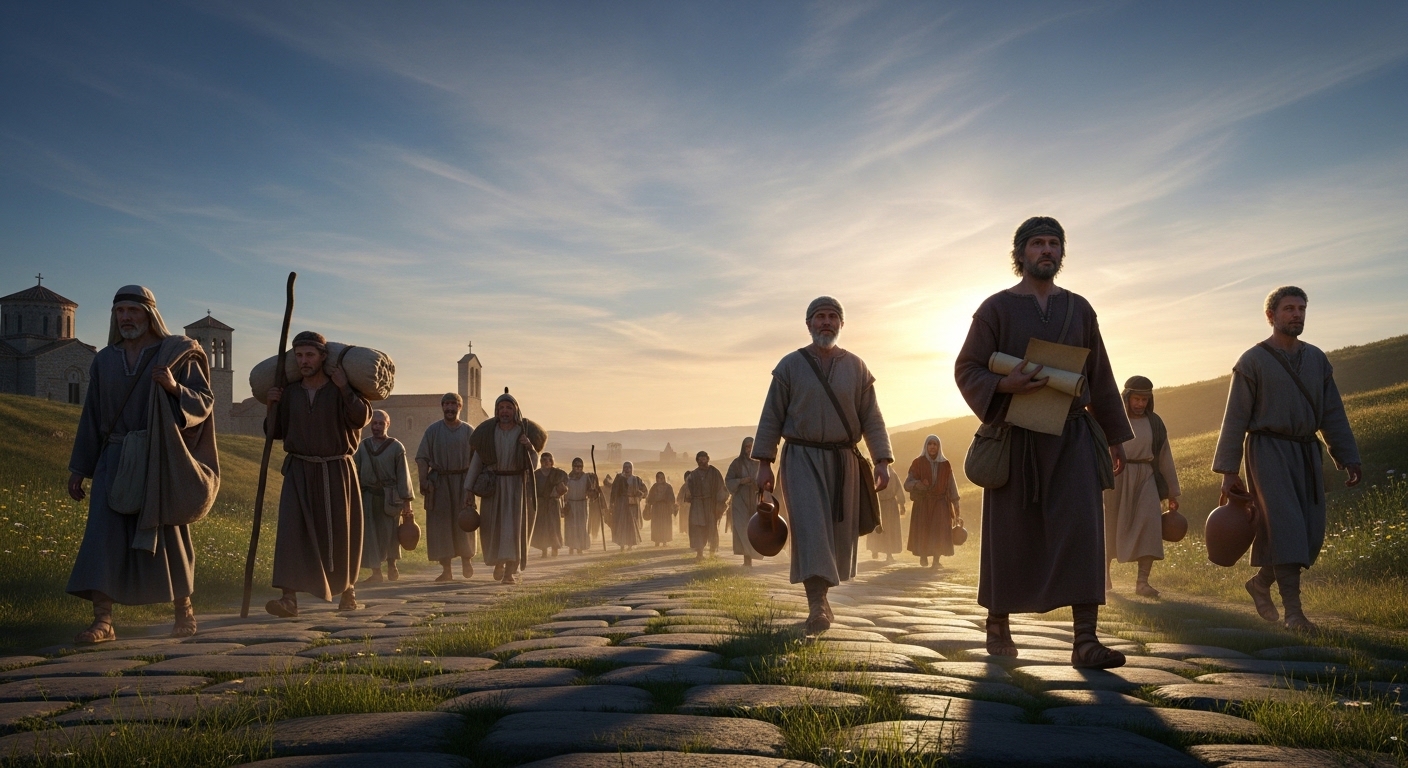
There’s an irony in the story: persecution often made the Church more resilient and more expansive. When believers were scattered—whether by legal action, riots, or local hostility—they took the Gospel with them. The forced movement opened new evangelistic opportunities and planted churches in places that might otherwise have stayed unreached.
That pattern appears in Scripture. After a wave of persecution in Jerusalem, Luke records, “Those who had been scattered preached the word wherever they went” (Acts 8:4). The spreading was not accidental; it became a mechanism for growth.
For your faith today, the lesson is hopeful: God can use hardship to advance the Gospel. When doors close in one place, new doors can open elsewhere. You don’t control every circumstance, but you can trust that difficulties may serve a greater purpose in God’s hands.
🩸 5. Faith That Endures
Early Christian endurance demonstrated a deep conviction. Despite social ostracism, economic pressure, imprisonment, and sometimes death, many followers remained faithful. Their perseverance wasn’t mere stubbornness—it reflected a conviction that the love of Christ and the hope of resurrection were worth any cost.
Paul’s rhetorical question captures this spirit: “Who shall separate us from the love of Christ?” (Romans 8:35). The early martyrs and confessors believed that nothing—persecution, hunger, or sword—could break their union with Christ.
When opposition comes your way, that endurance is both an encouragement and a challenge. You’re invited to examine how deeply your convictions run and what you’re willing to sacrifice for them. Endurance grows by community, prayer, and regular exposure to God’s promises.
The Different Faces of Persecution
Persecution in the early centuries of the Church took several forms, and understanding the varieties helps you see the big picture.
- Social ostracism: exclusion from normal municipal life, loss of business, and shunning by neighbors.
- Legal prosecution: charges brought in local courts for refusing to perform civic rituals or for alleged crimes.
- Mob violence: spontaneous or organized attacks by mobs, often triggered by rumors.
- Imperial edicts: sporadic, targeted persecutions under certain emperors (e.g., Nero, Domitian) that could include imprisonment, torture, and execution.
- Cultural pressure: societal norms that made Christian ethical teachings (e.g., on marriage, slavery, and charity) seem destabilizing.
Each form pressured Christians differently. Social ostracism could erode livelihoods and relationships; legal prosecution could force believers to recant or face execution. Yet each also produced testimonies and opportunities for witness.
Before you build community with others, it starts with your personal walk with God.
Popular Accusations: Why the Rumors?
Rumors about Christians included the ideas that they were atheists (since they denied the Roman gods), cannibals (misunderstanding the language of communion), or engaged in immoral rites (misinterpreting “love feasts” and close fellowship). Some of these charges had a grain of political accusation: if you refused to worship the emperor, that could be called treasonous behavior.
Why did these rumors stick? Several reasons:
- Secrecy: Early Christians sometimes gathered privately because they lacked legal status, which looked suspicious.
- Language: Christian metaphors sounded strange to outsiders who had never heard them explained.
- Social change: Rapid conversions, especially by slaves and marginalized people, upset social hierarchies.
- Scapegoating: When disasters fell on a city, people sought a cause. Minority groups were easy targets.
You can relate this to modern contexts: when people don’t understand what a faith community practices or believes, imagination often fills the gap with negative stories. That’s why patient, public witness and clear communication are vital.
Historical Examples: From Local Mobs to Imperial Persecution
To make things concrete, here are a few historical flashpoints that illustrate how and why persecution happened.
- Nero (64 AD): After the great fire of Rome, Nero blamed Christians, leading to brutal executions that, according to some accounts, made martyrs of Christians and generated sympathy for them. This is one of the earliest widely reported imperial persecutions.
- Local expulsions and riots: Many cities experienced episodes where Christians were expelled or attacked by mobs upset by economic or religious disruption.
- Later emperors: Persecutions waxed and waned across the third century, with more systematic imperial action in certain reigns and more tolerance in others.
You won’t find a single “Christian persecution policy” across the entire empire—more often local pressures and imperial whims combined unevenly. That unevenness both endangered Christians and made the faith adaptable.
Theological Meaning: Why Suffering Matters
The New Testament doesn’t present persecution as merely unfortunate; it interprets suffering as participation in Christ’s suffering and as a crucible for faith. When the early Church suffered, it often interpreted that suffering as meaningful—an honorable share in Christ’s path.
This theme runs through passages like John 15:20, 2 Timothy 3:12, and 1 Peter’s encouragement that trials refine faith (see 1 Peter 4:12-16). Facing persecution didn’t mean the Church had failed; often it meant the Church was living out a costly, convicting message.
For you, this theological framing shifts how you experience hardship. Instead of only seeing loss, you can see opportunity—refinement of character, witness, and closer alignment with Christ’s experience.
How Persecution Helped the Gospel Spread
It’s a remarkable paradox: attempts to stop Christianity sometimes became the very mechanism of its spread. When Christians were driven out of one place, they carried their faith to another. Communities that might not otherwise have heard the Gospel were reached because believers traveled, were exiled, or fled persecution.
Acts records such movements. After persecution in Jerusalem, scattered believers “preached the word wherever they went” (Acts 8:4). That scattering planted churches in Samaria, Syria, Asia Minor, and beyond.
You can apply that idea: adversity can be a platform for expansion. If you face restrictions in one context, look for where you can take the message next. God’s purposes often outstrip human intentions.
Practical Takeaways for Your Faith
How can you use the story of early persecution in your spiritual life?
- Expect opposition: Persecution is not proof of failure. Jesus warned you (see John 15:20).
- Respond with grace: When mischaracterized, answer patiently and lovingly; don’t retaliate with hatred.
- Be wise communicators: Explain what you believe and why. Clear, humble communication reduces misunderstanding.
- Use hardship for mission: If doors close, seek new doors. God can use suffering to expand your reach.
- Build community: Endurance happens in fellowship. Support each other, pray together, and learn from the examples of those who endured.
These are not easy prescriptions, but they’re rooted in the lived experience of the early Church.
Simple Reflection Questions
Take a moment and ask yourself:
- Am I willing to stand publicly for my faith when it costs me something?
- How do you respond when others misunderstand or misrepresent you?
- Do you trust God in difficult situations and believe He can use them for good?
Reflection helps you assess your preparedness for opposition and grow in faithfulness.
 Internal Resources to Explore
 Internal Resources to Explore
If you want to explore related topics that help you understand early persecution and the mission of Jesus, check out these reads (these are suggested internal links you could add on your site or platform):
- The Life of Jesus Timeline (Birth to Ascension Explained – Full Story Guide)
- What Happened to the Apostles After Jesus? (Their Mission and Legacy)
- House Churches Explained (Why Early Christians Met in Homes)
- Pentecost Explained (What Happened + Why It Matters Today)
- The Early Church Explained (How Christianity First Spread)
These will help you trace the broader narrative that made persecution both a trial and a catalyst.
Conclusion
Persecution in the early Church was multifaceted: driven by political expectations, social disruption, cultural misunderstanding, and religious rivalry. Yet persecution didn’t defeat the movement. Instead, it revealed the conviction and resilience of early Christians, spread the Gospel into new regions, and helped form a theology of suffering that strengthened faith.
For you, their example encourages courage and endurance. When your faith makes you unpopular, remember that the Gospel has advanced precisely through followers who stayed faithful under pressure. What tried to destroy the Church in its infancy often contributed to its maturity.
🙏 Closing Prayer
Lord, Thank You for the example of the early believers who stayed faithful through persecution. Give me courage to stand for my faith and trust You in every situation. Help me respond with grace, strength, and love. In Jesus’ name, Amen.
BIBLE REFERENCES USED (linked for easy reading)
If you want to grow deeper in your walk with God and stay consistent in your faith, start with a simple daily habit: