


You’ve likely read or heard about the “breastplate of righteousness” in Ephesians and wondered what it actually means for your life. Is it a metaphor, a promise, a command, or all three? In this article, you’ll get a clear, scripture-centered explanation of the breastplate, learn how Christ’s righteousness defends your heart, and find practical steps to put this truth on every day. I aim to teach faithfully, encourage your growth, and help you stand firm in spiritual battles.
If you’re new to this biblical imagery, it helps to begin with our complete guide to the Armor of God, which explains how every piece works together to help believers stand firm in Christ.

Quick answer: What does “breastplate of righteousness” mean?
The breastplate of righteousness refers to the believer’s protection coming from righteousness — both the righteousness of Christ credited to you (justification) and the righteousness God works in you (sanctification). It’s a spiritual safeguard for your heart — the source of your will, affections, and decisions — guarding you against accusations, temptations, and attacks that would wound your inner life. The primary biblical references are Ephesians 6:14 and Isaiah 59:17, each of which shows how God’s righteousness clothes and protects His people.
Biblical foundation: Where the imagery comes from
The Armor of God uses familiar military and priestly imagery to teach spiritual truth. In the Old Testament, you see literal breastplates used in two main contexts: the warrior’s breastplate and the high priest’s breastplate.
- The warrior’s breastplate provided physical protection for vital organs during battle. This visual helps you understand that righteousness is meant to protect what matters most in spiritual conflict.
- The high priest’s breastplate, described in Exodus 28:15–30, contained special stones and the Urim and Thummim — symbols of God’s presence, judgment, and covenantal access. That priestly image connects righteousness to God’s holy standard and His provision for approach and representation before Him.
The prophet Isaiah also uses the image when he writes of God arming Himself: “[He] put on righteousness as a breastplate” (Isaiah 59:17). Paul then applies the imagery to believers in Ephesians 6:14 within the Armor of God passage, making the connection clear: righteousness is defensive armor for your heart.

Two sides of righteousness: Imputed and practical
To understand how the breastplate works, you need both theological clarity and pastoral tenderness. The Bible speaks of righteousness in at least two complementary ways:
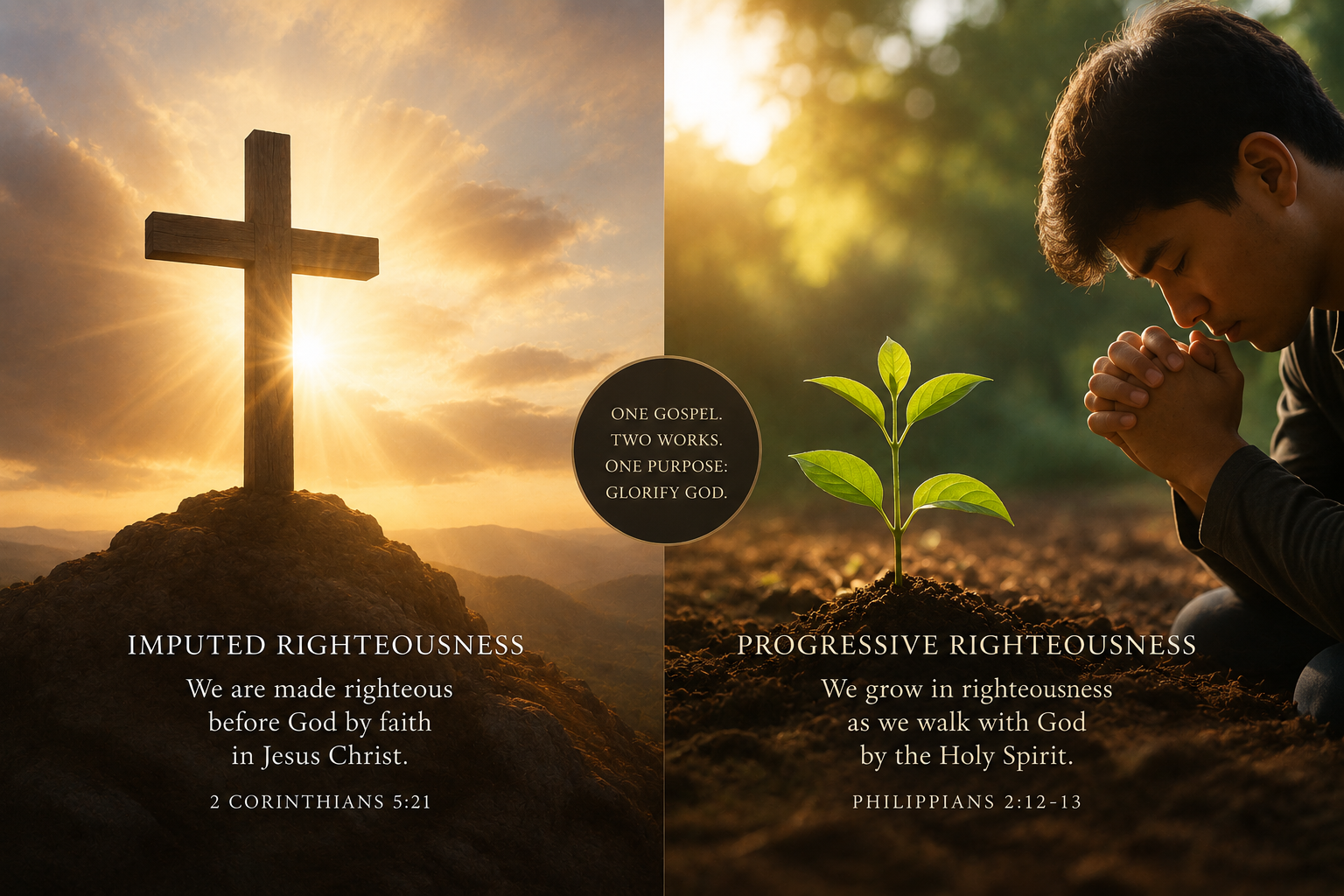
- Imputed righteousness — This is the righteousness of Christ credited to you by faith. Because of what Jesus accomplished on the cross, God counts you righteous when you trust in Him (Romans 3:21–26; 2 Corinthians 5:21). This is your standing before God; it’s gospel-driven and secure.
- Practical (or progressive) righteousness — This is the righteousness God works in you through the Holy Spirit as you grow in holiness (Philippians 2:12–13). It’s reflected in choices, habits, and character.
Both are part of the breastplate. The imputed righteousness gives you confidence before God and peace with Him; the practical righteousness protects your heart by shaping your desires and actions so you don’t fall into the sins that weaken your witness.
Why the breastplate focuses on the heart
When Paul says “stand firm” and includes the breastplate guarding the heart, he points to the spiritual battlefield that centers in your inner life. The Bible repeatedly treats the heart as the root of behavior and belief.
- “Above all else, guard your heart, for everything you do flows from it” (Proverbs 4:23). That’s a direct command to protect the inner life.
- Jeremiah warns that “the heart is deceitful above all things” (Jeremiah 17:9), which shows why defenses are necessary.
- The New Testament ties the heart to spiritual life and transformation (Ephesians 3:16–19).
Righteousness as a breastplate acts where it’s needed most: the place where the enemy aims to wound you with doubt, accusation, lust, bitterness, and despair.
How Christ’s righteousness protects you (theological explanation)
Your ultimate protection is not in your own moral strength. The gospel says you are protected because of what Christ has done:
- Justification places you into right relationship with God. When God looks at you, He sees Christ’s righteousness, not your record of sin (Romans 8:1–4). That legal righteousness removes condemnation and gives you the legal standing to stand in God’s presence.
- Adoption secures your identity as God’s child. Your identity helps shield you from the enemy’s lies: you belong to God (see Galatians 4:4–7).
- The Spirit’s presence changes your desires and equips you to resist temptation (Galatians 5:16–25).
So when Paul tells you to put on the breastplate of righteousness, he is telling you to take hold of what is already yours in Christ and to live out that reality day by day.
What the breastplate protects you from
Understanding what the breastplate guards you against helps make it practical:
- Accusation and condemnation — Satan is called the accuser (Revelation 12:10). The imputed righteousness silences the accuser: you are righteous in Christ.
- Internal sin — Impure desires, bitterness, and pride start in the heart. The transforming work of Christ protects the heart’s core, enabling you to resist and repent.
- Fear and shame — When your identity is secure in Christ, fear of man and shame-based living lose their grip.
- Spiritual discouragement — The breastplate strengthens you to persevere when trials accuse you of failure.
In short, the breastplate defends your spiritual center so you can continue to serve, witness, and grow.
Putting on the breastplate: Practical steps
Putting on the breastplate is both a daily act and a posture of life. Here are practical habits that help you live out the breastplate of righteousness:
- Remind yourself of the gospel each morning. Start your day by thanking God that your standing is in Christ (Romans 5:1). This isn’t self-hypnosis; it’s the biblical practice of taking God’s promises and letting them shape your identity.
- Confess sin quickly and frequently. Confession removes the foothold of guilt and keeps the heart tender (1 John 1:9). When you confess, you put on practical righteousness by turning from patterns that would expose you.
- Feed your heart with Scripture. The Word transforms affections and minds (Hebrews 4:12). Make the Bible a daily nutrient for your heart.
- Pray for holy desires. Ask the Spirit to cultivate a love for God and others; this shapes choices and protects against temptation (Philippians 2:13).
- Guard what you let into your heart. That includes media, friendships, and private habits. The heart is influenced by what it consumes (Psalm 101:3).
- Seek community and accountability. Righteousness grows and is tested in relationships. Let trusted brothers and sisters speak truth into your life (Hebrews 10:24–25).
- Practice obedience in small things. Righteousness grows through practice—regular acts of faithfulness form a heart that resists larger temptations (Luke 16:10).
- Remember future hope. The new creation promise helps you endure present struggles with a righteous heart (Romans 8:18–25).
These are not works to earn standing, but means by which you live out your identity in Christ. They put the breastplate on practically.

Living in tension: assurance without presumption
A pastoral word of balance: don’t swing to extremes. Some Christians mistakenly think they must perform perfectly to keep their righteousness; others think they can live carelessly because they’re already justified. Scripture holds both truths: you are accepted in Christ by faith, and true faith produces transformation (James 2:14–26).
Your assurance comes from Christ, not from your performance. At the same time, genuine faith shows itself in growth. So you wear the breastplate of righteousness with grateful humility, not with self-righteous pride.
Common misconceptions about the breastplate
Let’s address a few misunderstandings so you can guard against error:
- Misconception: The breastplate means self-made goodness. Correction: The breastplate points primarily to Christ’s righteousness given to you, not your moral achievements (Romans 3:22–24).
- Misconception: Righteousness equals legalism. Correction: Biblical righteousness flows from grace; legalism attempts to earn God’s favor. Righteous living is grateful obedience, not earning.
- Misconception: You wear the breastplate once, and you’re done. Correction: Putting on the breastplate is ongoing—daily confession, renewal, and dependence on the Spirit keep your heart guarded.
- Misconception: The breastplate only protects from external attacks. Correction: Its central function is to guard the heart against internal assaults like bitterness, lust, and doubt.
Recognizing these helps you apply the truth correctly.
Righteousness and other pieces of the armor: how they work together
The breastplate doesn’t stand alone. The Armor of God is an integrated defense: truth (belt), righteousness (breastplate), gospel-shod feet, faith (shield), salvation (helmet), and the Word (sword). Righteousness guards the heart; truth steadies your core beliefs; the shield of faith deflects flaming darts of doubt; salvation protects your mind; the sword addresses specific doctrinal and moral errors.
Practically, that means you should cultivate truth, faith, prayer, Scripture, and righteousness together. To see how the breastplate fits alongside the belt, shield, helmet, sword, and other pieces of God’s spiritual armor, explore our complete Armor of God guide.
Practical scenarios: guarding your heart in everyday life
Let’s make this concrete with everyday situations where the breastplate matters:
- Workplace stress and compromise. When you feel pressured to cut ethical corners for advancement, the breastplate helps you remember your identity and refuse compromise. You can pray for courage and practice small acts of integrity that shape a righteous pattern.
- Marital or dating struggles. When temptation or anger surfaces, your heart’s commitments—cultivated by confession and Scripture—keep destructive actions at bay.
- Online life and media. The things you watch, scroll, and as shape heart desires. Put on the breastplate by filtering content, setting boundaries, and filling your time with wholesome things (Philippians 4:8).
- Seasons of failure and guilt. If you fall, the breastplate restores you not by denial but by gospel humility: confess, receive forgiveness (1 John 1:9), and return to obedience.
These scenarios show righteousness at work—not as a burden but as the means of life that protects your heart and relationships.
Frequently asked questions
What does the Bible say exactly about the breastplate of righteousness?
Paul instructs believers to “stand firm… with the breastplate of righteousness” in Ephesians 6:14. Isaiah uses parallel language about God putting on righteousness as armor (Isaiah 59:17). These passages together teach that righteousness is both God’s and the believer’s defense.
Is the breastplate more about justification or sanctification?
It’s both. Justification (Christ’s righteousness imputed to you) is primary for your standing before God; sanctification (righteous living worked out by the Spirit) is how that standing is lived out and protected. Both keep your heart safe.
Can you lose the breastplate?
You don’t lose justification — it’s secured in Christ. But you can fail to use or live in the practical protections of righteousness. Neglecting confession, Scripture, prayer, and accountability weakens your heart’s defenses. That’s why daily dependence matters.
How does the breastplate relate to spiritual warfare?
Spiritual warfare often targets your heart—doubt, fear, anger, and temptation. The breastplate equips you to resist these internal attacks by grounding your identity and affections in Christ’s righteousness.
What if I feel unworthy to wear the breastplate?
Your worthiness isn’t about personal merit; it’s about Christ’s merit applied to you by faith. You wear the breastplate by faith in what Jesus has done, not by listing your own good works.
Common pitfalls to avoid
Be wary of the following traps:
- Thinking righteousness is mainly outward conformity. Real righteousness transforms the heart.
- Assuming spiritual protection means you won’t face trials. Righteousness protects but doesn’t eliminate trials; it equips you to endure them.
- Equating moral improvement with spiritual security. Moral change matters, but security is in Christ.
Recognize these pitfalls and redirect your heart toward gospel realities.
Key takeaways
- The breastplate of righteousness protects your heart—the wellspring of your life—by applying Christ’s righteousness to your standing and shaping your conduct.
- Righteousness is both imputed (your standing) and progressive (your growing holiness). Both matter for spiritual defense.
- Putting on the breastplate is practical: gospel meditation, confession, Scripture intake, prayer, accountability, and obedience.
- You don’t rely on self-righteousness; you rely on Christ’s righteousness and the Spirit’s work within you.
- The breastplate is only one part of God’s complete spiritual armor. To understand how each piece works together in the Christian life, read our biblical guide to the Armor of God.
A closing encouragement
You’re not left to fashion your own breastplate. God has given you Christ’s righteousness as your legal protection and the Spirit to form righteousness in you. As you daily take hold of the gospel and live it out, your heart will become more resilient against the enemy’s strikes. Celebrate the freedom of standing righteous before God and let that truth guide how you live, love, and witness.

Closing prayer
Lord Jesus, thank You for clothing us in Your righteousness. Guard our hearts from deceit, temptation, and shame. Help us to receive Your standing by faith, to confess quickly when we sin, and to grow in holiness by Your Spirit. Give us courage to put on the breastplate of righteousness daily and to stand firm when trials come. May our lives reflect Your glory and draw others to Your saving grace. Amen.
Read Next
How to Put on the Armor of God Every Day: A Practical Biblical Guide
Learn practical daily habits that help you put on God’s armor and stand firm in every season.
The Shield of Faith Explained: How Faith Extinguishes Satan’s Attacks
Discover how faith protects you from doubt, fear, and the enemy’s spiritual attacks.
The Belt of Truth Explained: Living in God’s Truth Every Day
See why truth is the foundation that holds every other piece of God’s armor together.
The Helmet of Salvation Explained: Protecting Your Mind with God’s Truth
Understand how the assurance of salvation guards your thoughts and strengthens your confidence in Christ.
The Sword of the Spirit Explained: Using God’s Word in Spiritual Warfare
Learn how Scripture becomes your offensive weapon for resisting temptation and overcoming spiritual battles.
Frequently Asked Questions
How do I put on the breastplate of righteousness every day?
You put on the breastplate of righteousness by remembering your identity in Christ and choosing to live in obedience to Him. Spend time in prayer, read God’s Word, confess sin quickly, and depend on the Holy Spirit to shape your attitudes and actions throughout the day.
Is the breastplate of righteousness about justification or holy living?
It includes both. The breastplate reminds believers that they are made righteous before God through faith in Jesus Christ (justification) while also calling them to grow in righteous living through the transforming work of the Holy Spirit (sanctification).
Is righteousness the same as holiness?
They are closely related but not identical. Righteousness refers to being made right with God through Christ and living according to His standards. Holiness emphasizes being set apart for God’s purposes. A righteous standing before God naturally leads to a life of growing holiness.
Can I earn the breastplate of righteousness through good works?
No. The righteousness that protects believers is a gift of God’s grace received through faith in Jesus Christ, not something earned by human effort. Good works are the result of salvation, not the cause of it.
How does the breastplate help in spiritual warfare?
The breastplate protects your heart from Satan’s accusations, temptation, guilt, and discouragement. As you trust in Christ’s righteousness and pursue obedience, you become better equipped to stand firm against spiritual attacks.