


Introduction
You’ve probably sat in the quiet and felt the weight of shame, fear, or intrusive doubts — thoughts that tell you God can’t really love you, that your sins disqualify you, or that hope is pointless. These attacks on your thinking are painfully real, and that’s why the Apostle Paul calls the helmet of salvation so essential. In this article you’ll find the helmet of salvation explained clearly, biblically, and practically so you can protect your mind with the truth of the gospel. You’ll learn what salvation truly includes, how it shields your thinking, and concrete steps to put on this helmet every day.

What Is the Helmet of Salvation?
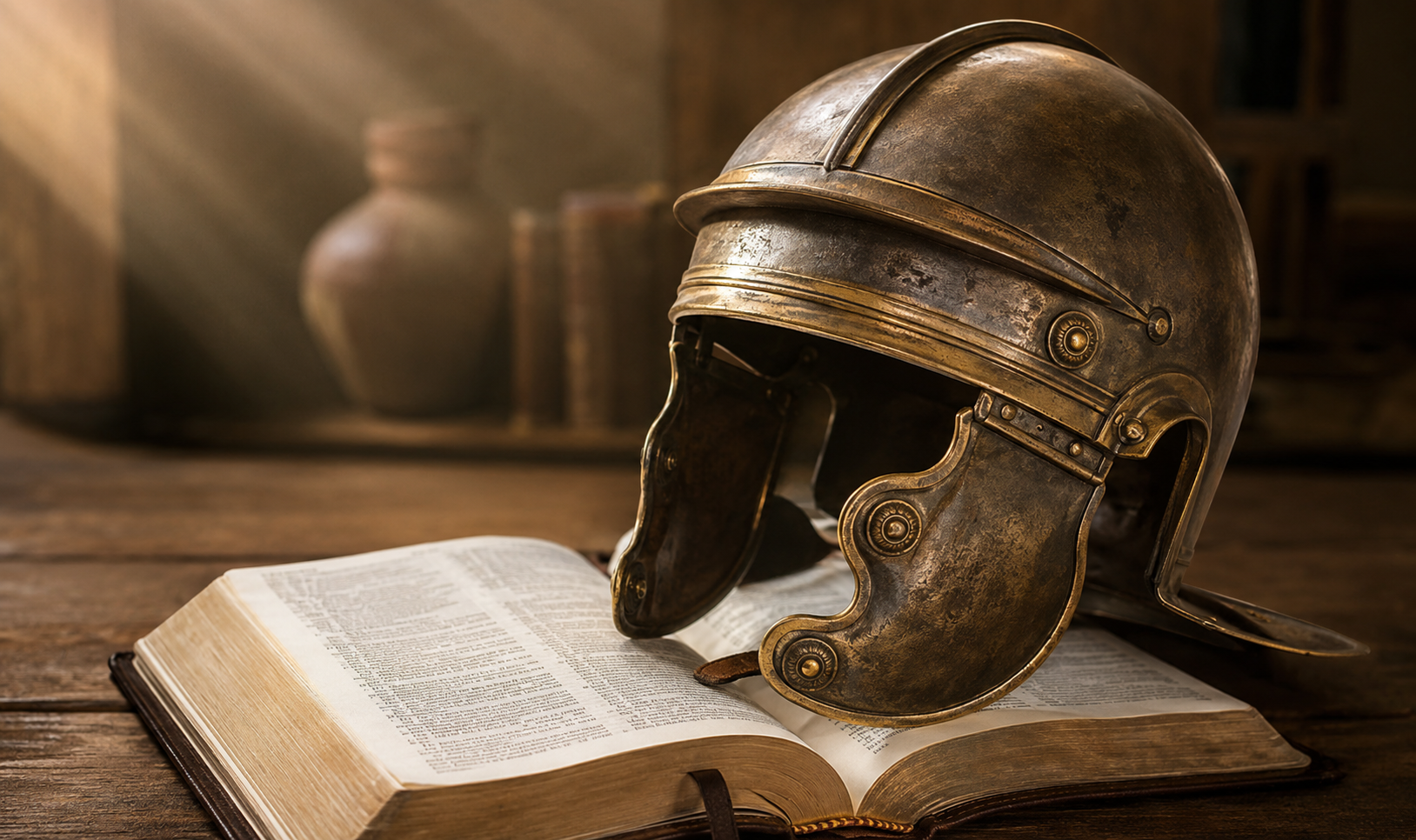
When Paul lists the full armor of God in Ephesians 6:10–18, he uses familiar military imagery to describe spiritual realities. The helmet of salvation appears as one piece of that armor in Ephesians 6:17. A helmet protects the head — the place of thought, decision, and identity. Paul’s point is simple but profound: salvation protects your mind.
Paul is not naming a physical object you wear; he is calling you to adopt a posture of trust in what God has done in Christ. That protection covers how you think about yourself, God, your future, and the spiritual battles you face. When you understand this helmet, you begin to see salvation not only as past rescue but as present defense and future hope.
Why Does the Mind Need Spiritual Protection?
Your mind is the primary battleground in spiritual conflict. Thoughts shape choices, emotions, and the way you respond to temptation and suffering. Lies can come as subtle whispers — accusations of worthlessness, despair about the future, or distorted memories of failure — and if unchecked they take root.
Scripture consistently links hope and thinking. Paul urges you to be transformed by the renewing of your mind in Romans 12:2. Jesus warns about the deceitfulness of the heart and the necessity of truth for right living. Protecting your mind is not merely psychological hygiene; it’s spiritual warfare. That’s why the helmet is crucial in the full armor of God Paul calls you to wear.

What Does Biblical Salvation Include?
Salvation in the Bible is rich and layered. To understand how it shields your mind, you need to see its three dimensions:
- Past: You have been saved from sin’s penalty. This is the heart of the gospel — that through faith in Jesus you are declared righteous (see Romans 5:1). You aren’t saved because you behaved well; you’re rescued because Christ’s work covers you.
- Present: You are being saved from sin’s power. The Christian life involves ongoing transformation as the Spirit sanctifies you (see Titus 3:4–7). You will still struggle, but the trajectory of your life is being changed.
- Future: You will be saved from sin’s presence when Christ returns and makes all things new (see Revelation 21:1–5). The hope of eternity with God steadies you now.
These dimensions combine to form a robust assurance that stands against lies and fear. Paul’s description of salvation in 1 Thessalonians 5:8 even calls the hope of salvation a helmet, linking the idea of mental protection with confident expectation.
How Salvation Protects the Christian’s Mind
Salvation shields your mind in several interlocking ways:
- Identity and Worth: When you trust Christ, your identity rests in what God has done, not in fluctuating feelings or achievements. Passages like Colossians 3:1–4 reorient your desires and affections toward your union with Christ. Knowing who you are in him reduces the power of shame and insecurity to define you.
- Assurance and Security: Jesus’ promises about keeping his sheep (see John 10:27–29) and Paul’s declarations that nothing can separate you from God’s love (see Romans 8:31–39) work like a helmet: they deflect accusations and doubts. When you rehearse these truths, your mind becomes less vulnerable to messages that you’re beyond help.
- Peace and Right Thinking: The gospel brings peace with God (see Romans 5:1). That peace stabilizes anxious thinking. Paul’s practical guidance in Philippians 4:6–8 invites you to replace worry with prayer and to focus your mind on what is true and noble — all part of a helmet-shaped mindset.
- Cognitive Renewal: Salvation initiates the work of renewing your mind (see Romans 12:2). That renewal includes recognizing false narratives and taking thoughts captive (see 2 Corinthians 10:5). By submitting your thinking to God’s Word, you fortify your mind against repeated lies.
These protections don’t eliminate struggle, but they change the ground on which those struggles happen. Instead of being defined by fear or accusation, your mind clings to the gospel’s facts and promises.
The Difference Between Conviction and Condemnation
A vital pastoral distinction: conviction is the Spirit’s loving work to point out sin and lead you to repentance; condemnation is the accuser’s attempt to crush and immobilize you. Conviction makes you feel sorrowful but hopeful — because it calls you back into relationship with God. Condemnation tells you there’s no way back.
Scripture helps draw the line. The ministry of the Spirit is restorative (see Titus 3:4–7); Christ’s work brings no condemnation (see Romans 8:1). When you experience guilt that drives you to humility, confession, and changed behavior, that’s often the Spirit’s work. When the thought pattern becomes endless accusation without leading to repentance or hope, that’s likely condemnation or a lie to be rejected.
You aren’t required to sort every thought perfectly on your own. Mature Christian friends, pastors, and the Spirit can help you discern whether an inner voice invites restoration or seeks to destroy.
Common Spiritual Attacks Against the Mind
Knowing common patterns helps you recognize and resist them. The enemy often uses:
- Lies about identity: “You’re a failure; God could never use you.” Scripture counters that God adopts you as his child through Christ (see 1 John 5:11–13).
- Persistent condemnation: Repeating your sins without pointing to God’s forgiveness.
- Fear about the future: Messages that God won’t provide or that nothing will change. The hope of salvation and God’s promises hold steady (see Romans 8:31–39).
- Confusion and doubt: Twisting circumstances to make the gospel seem untrue.
- Hopelessness: Attacking the future to rob you of endurance (Revelation 21’s vision of a new creation anchors your hope — see Revelation 21:1–5).
Recognizing these patterns lets you act: test the thought, name the lie, and replace it with biblical truth.
Replacing Lies with God’s Truth
This is the heart of how the helmet operates in your daily life. You don’t simply “think positively”; you intentionally rehearse gospel facts and promises. Practical steps include:
- Test thoughts against Scripture. Paul tells you to take every thought captive (2 Corinthians 10:5). When a thought surfaces — “You’re unrecoverable” — ask: does God’s Word say that?
- Rehearse proof texts that guard your mind. Keep key verses accessible that speak to your identity (e.g., Romans 5:1, John 10:27–29).
- Replace accusation with confession and assurance. Confess actual sins and receive God’s promise of forgiveness. Remember that Christ’s death and resurrection secure your pardon (see Titus 3:4–7).
- Focus on future hope. Scripture gives an anchor for the soul in times of storm. Let the promised new creation in Revelation 21:1–5 and promises of God’s unbreakable love (Romans 8:31–39) shape your outlook.
- Practice gratitude and meditation on what is true and noble (Philippians 4:6–8). This trains your mind to dwell on realities that strengthen, not weaken, your faith.
Replacing lies is not a one-off event; it’s a habit, a discipline, and a reliance on the Spirit’s power. That is how you “put on” the helmet in real life.
How to Put on the Helmet of Salvation Daily
Putting on the helmet is both an attitude and a set of practices. Here are practical, daily steps you can take:
- Remember the gospel each morning. Begin with a short summary: Christ died for sinners, rose for your justification, and secures your future (see Romans 5:1; Titus 3:4–7). This re-centers your identity before the day’s pressures.
- Test each thought. When anxiety or accusation arises, slow down and ask: “Is this thought true according to God’s Word?” Then take it captive (2 Corinthians 10:5).
- Pray Scripture back to God. Pray promises you need to believe. Prayer turns worrying into reliance (Philippians 4:6–8).
- Talk with a trusted Christian friend or mentor. You don’t have to fight alone. Mature believers can help correct distorted thinking and point you back to gospel truth.
- Practice spiritual rhythms that renew your mind. Scripture reading, silence, worship, and journaling help you see patterns and encounter God’s truth repeatedly. Paul’s call to be transformed by mind renewal (Romans 12:2) assumes rhythms of engagement with God.
- Act on truth. Sometimes putting on the helmet means doing the next faithful thing — forgiving someone, serving, or confessing sin. Action can bring clarity and relief from spirals of shame.
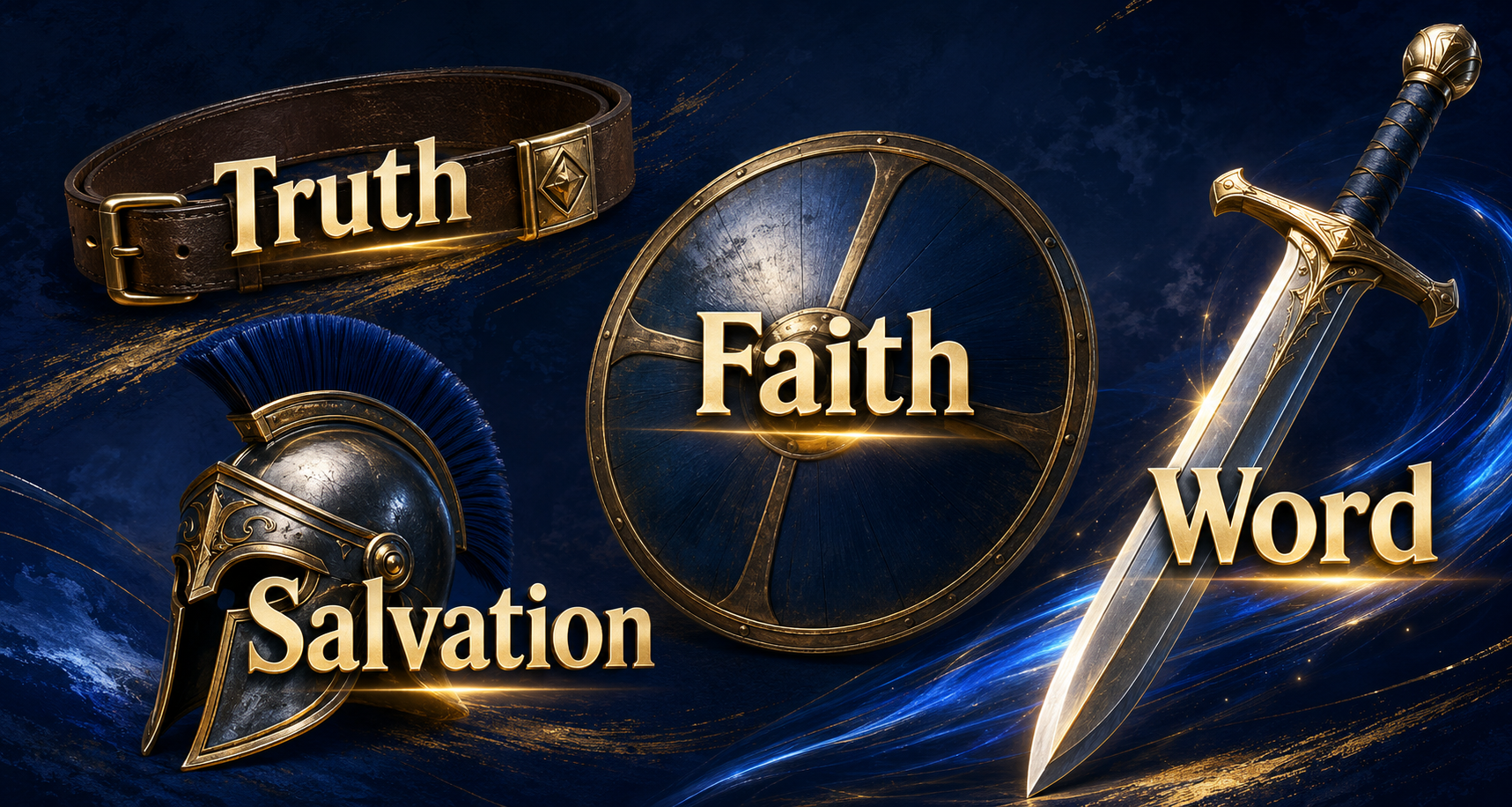
As you adopt these practices, you’ll find your mental defenses strengthening. Remember to also wear the other pieces of God’s armor: the belt of truth], the shield of faith, and so on, and make this part of a daily habit to put on the armor of God every day.

What to Do When You Doubt Your Salvation
Doubt can be painful, but it doesn’t mean you’ve lost salvation. Scripture gives resources to guide you:
- Check the objective promises. God’s eternal gifts are grounded in Christ’s finished work, not in your feelings (see 1 John 5:11–13; Romans 8:31–39). Revisit these assurances.
- Distinguish between doubt and evidence. Ask yourself whether there’s fruit of faith (love for God and others, desire for obedience). Fruit doesn’t make you saved, but it often accompanies genuine faith.
- Bring doubts into prayer and trusted community. Honest prayer invites God to act, and wise friends can help you see patterns and truth.
- Use Scripture to evaluate your doubts. Test the anxious thought: “I’m not saved.” Does Scripture support that claim? Usually not. Stand on God’s promises.
- If persistent anxiety about salvation continues, consider pastoral counseling or a Christian counselor. Spiritual guidance and mental-health care can work together.
Remember, doubting your salvation is not automatically a sin. Honest questions can become paths to deeper assurance when met with God’s Word and faithful community.
Biblical Truths to Remember During Mental Battles
When your thoughts rage, keep these biblical truths before your mind:
- You are forgiven and declared righteous (see Romans 5:1).
- Nothing can separate you from God’s love (see Romans 8:31–39).
- Your identity is in Christ, not your failures (see Colossians 3:1–4).
- The Spirit’s conviction leads to life; condemnation does not come from him (see Titus 3:4–7; Romans 8:1).
- The hope of future glory steadies present suffering (see 1 Thessalonians 5:8; Revelation 21:1–5).
Repeat these truths intentionally and write them down where you can see them in moments of crisis. The helmet works when you rehearse what is true.
A Short Prayer for a Protected Mind
Lord Jesus, remind me daily of what your cross accomplished. Guard my thoughts from lies that accuse and from fear that paralyzes. Renew my mind by your Spirit; help me to believe the promises you have given. When condemnation comes, remind me of your finished work and lead me into repentance and peace. Give me communities and practices that help me live under the helmet of salvation. Amen.
A Compassionate Pastoral Note about Mental Health
Not every painful thought or mental-health challenge is primarily a spiritual attack. Conditions like anxiety disorders, depression, PTSD, and biochemical imbalances may require medical or psychological treatment. Prayer, Scripture, and Christian community are essential, but they are not replacements for qualified professional care. Seeking counseling, medication, or other medical help is not a lack of faith. If you are in danger of harming yourself or others, seek emergency help immediately. Integrating spiritual care with professional treatment is often the kindest, wisest path.
Frequently Asked Questions
What does the helmet of salvation mean?
- The helmet of salvation symbolizes how the reality of salvation — past, present, and future — protects your mind. It guards your identity, hope, and thinking against accusations, fear, and despair (see Ephesians 6:17; 1 Thessalonians 5:8).
How does salvation protect the mind?
- Salvation anchors you in identity in Christ, assurance of God’s love, present transformation, and a future hope that cannot be shaken. These truths counter lies and stabilize anxious and condemning thoughts (Romans 8:31–39; Colossians 3:1–4).
How do I put it on daily?
- Rehearse the gospel each morning, test thoughts against Scripture, pray God’s promises, seek Christian fellowship, and practice disciplines that renew your mind (see Romans 12:2; Philippians 4:6–8). Also make full use of the broader armor Paul describes in the full armor of God.
Is doubting my salvation a sin?
- Doubt itself is not automatically sin. Honest questioning often opens a door to deeper faith. Sin is when you reject God’s promises or intentionally choose rebellion. Bring doubts into prayer, Scripture, and community for clarity (see 1 John 5:11–13).
What is the difference between conviction and condemnation?
- Conviction is God’s Spirit exposing sin to lead you to repentance and restoration (see Titus 3:4–7). Condemnation is the accuser’s attempt to destroy hope, often without calling you to change. Scripture assures that in Christ there is no condemnation (Romans 8:1).
Are my intrusive thoughts spiritual attacks?
- Intrusive thoughts can be sinful temptations, mental-health symptoms, or spiritual attacks. Test them by Scripture and seek help. If they persist or cause harm, consult a qualified counselor or medical professional in addition to pastoral care.
How do I know if I’m experiencing demonic attacks?
- Scripture gives signs of spiritual opposition, but discernment is important. Not every struggle is demonic. Persistent patterns that seek to steal faith, hope, and love often have spiritual dimensions and require prayer, community, and sometimes pastoral deliverance. Always pair spiritual discernment with medical and psychological wisdom when suffering is severe.
Continue Growing in the Armor of God
If this article helped you, keep going in your understanding and practice of spiritual armor. For more resources, consider these posts:
- The Shield of Faith Explained: How Faith Extinguishes Satan’s Attacks
- The Sword of the Spirit Explained: Using God’s Word in Spiritual Warfare
- Bible Verses About Spiritual Warfare for Strength and Victory
Also revisit the image of the full armor of God and learn practical steps for spiritual battle in our guide on spiritual warfare. When you feel pressed, remember to stand firm against the devil by clinging to truth and prayer. For help with faith in God’s promises, reflect on the shield of faith.
Near the end of your preparation for battle, don’t forget the offensive and defensive power of Scripture — read more on the Sword of the Spirit.
Conclusion
The helmet of salvation explained is not a theological curiosity — it’s a lifeline for your thinking. Salvation is God’s gracious rescue that secures your identity, steadies your mind, and anchors your hope. When you rehearse what Christ has done and expect what he promises to complete, your mind is guarded against the lies, fears, and accusations that aim to undo you. Remember, you will still experience doubt, sorrow, and struggle — but wearing this helmet and the rest of God’s armor helps you stand firm with confidence that your future is secure in Christ (see Ephesians 6:10–18; Romans 8:31–39).
Short Prayer for Assurance, Renewed Thinking, and Hope
Father, thank you for rescuing me by your grace. Strengthen my mind with the helmet of salvation. When lies try to take root, give me the courage to test them by Scripture and the humility to seek help. Fill me with peace, steady hope, and a deep, unshakable assurance in Christ. Amen.