


You’re holding a beautiful piece of Scripture in your hands when you read Ephesians 6 and Paul tells believers to “put on the full armor of God” (see Ephesians 6:11). Among those pieces, he begins with the belt of truth—deliberately first. That placement tells you something important: truth is the foundation for every other part of your spiritual defense. In this article you’ll learn what the belt of truth is, why it matters, how it functioned for the original readers, and—most importantly—how you put it on and live in God’s truth every day.
This explanation is friendly, practical, and rooted in Scripture. I aim to help you build your life on God’s truth so you can stand firm against temptation, deception, and spiritual attack. If you’re new to this topic or leading a Bible study, read on. You’ll find clear biblical teaching, historical background, everyday applications, answers to common questions, and encouragement to deepen your walk with Christ.

Direct answer: What does “belt of truth” mean?
The belt of truth refers to two core realities: first, God’s revealed truth—His Word and the gospel—and second, the personal truthfulness and integrity that flows from aligning your life with that revelation. Like a soldier’s belt that secures garments and holds weapons, God’s truth secures your spiritual life and makes the other pieces of the armor effective. When you rely on God’s truth, your faith, righteousness, peace, and spiritual discernment stay in place and ready.
Biblical foundation: Why truth first?
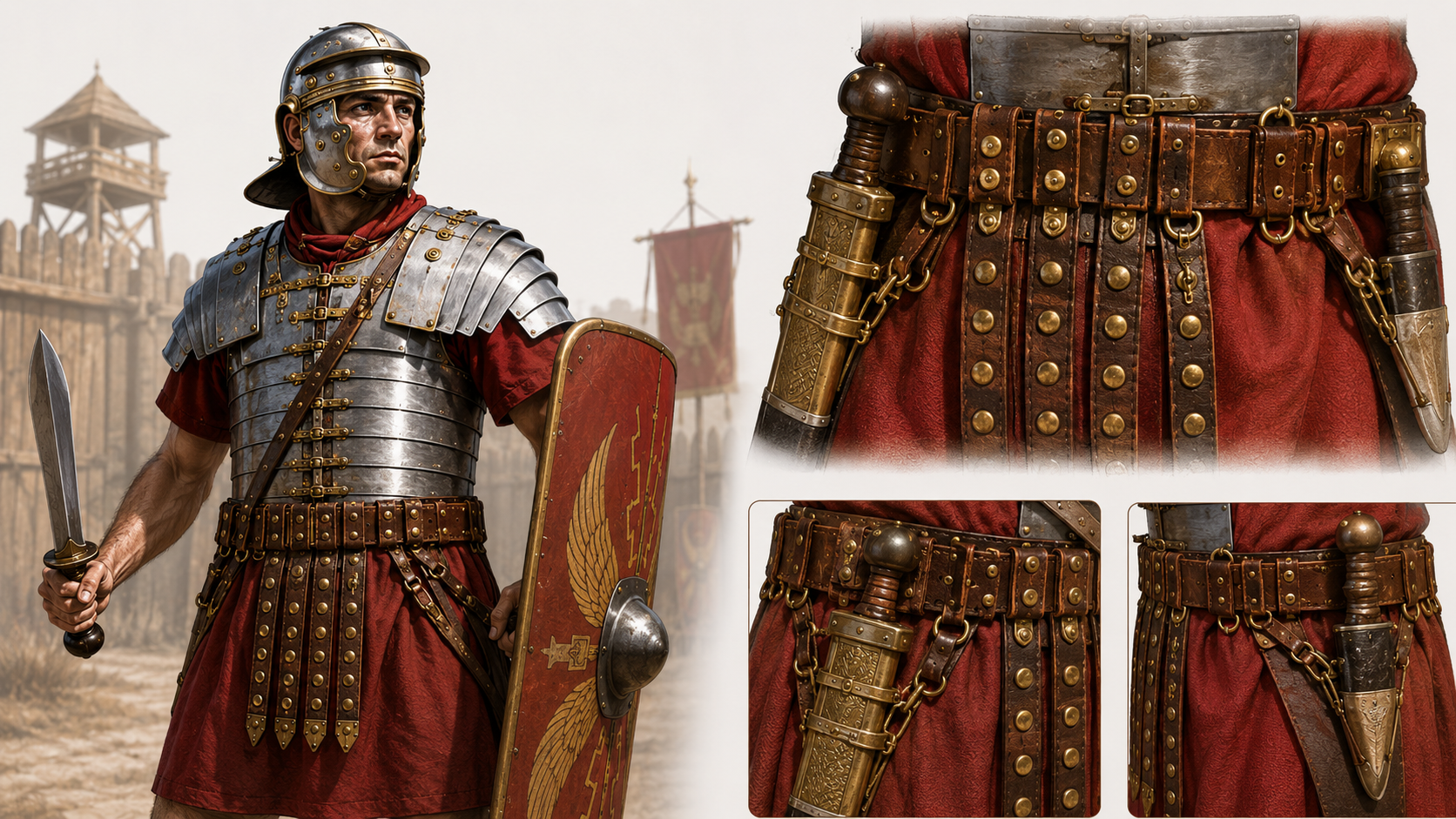
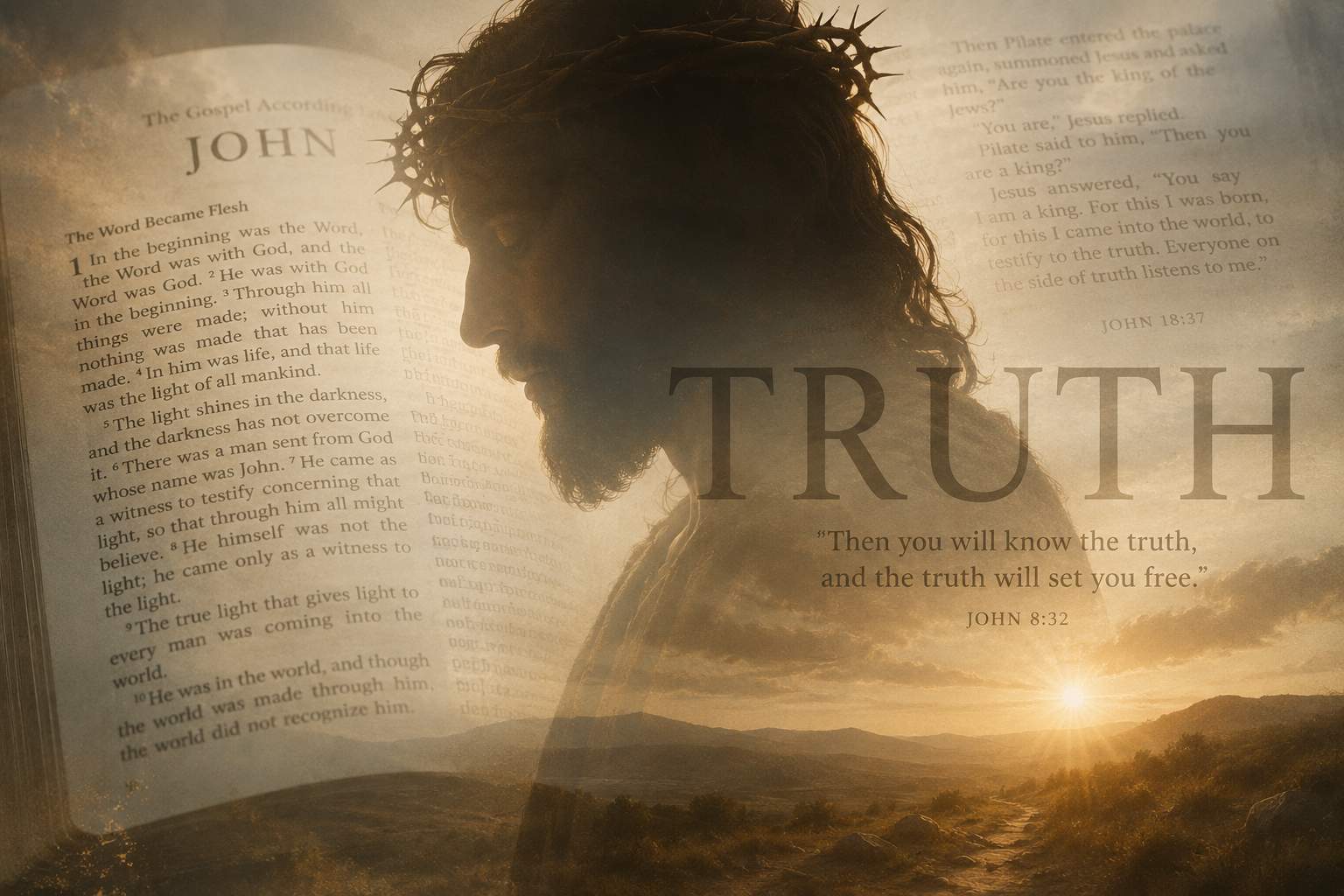
Paul intentionally lists the belt first in Ephesians 6:14. In the Roman military context, a belt held up the soldier’s tunic and attached weapons—without it, the soldier was vulnerable and hindered. Spiritually, truth holds everything together. Jesus described truth as central to the Christian life: “you will know the truth, and the truth will set you free” (John 8:32). Truth is also identified with God Himself—Jesus prayed that God’s Word is truth (John 17:17) and called Himself “the way, the truth, and the life” (John 14:6). So when Paul says “belt of truth,” he points to the life-changing, protective reality of God’s revelation and the integrity that grows from it.
Historical background: The belt in the ancient world
Understanding the Roman soldier’s belt helps you see Paul’s point more clearly. A soldier’s cingulum (belt) was more than a clothing item. It secured the soldier’s tunic, provided freedom of movement, and held weapons like the gladius (sword). Removing the belt would render the soldier exposed and ineffective. Paul borrows that vivid image to show how truth secures a believer’s life and enables readiness for spiritual battle. Knowing this background helps you translate the metaphor into daily spiritual practice.
What “truth” means in Scripture
When you ask about truth in the Bible, you’re looking at several related ideas:
- Truth as God’s revealed Word and reality (e.g., Psalm 119:160; John 17:17).
- Truth as the person of Jesus Christ, who embodies God’s faithfulness (John 14:6).
- Truth as moral and personal integrity—speaking, acting, and living in alignment with God (Ephesians 4:25).
- Truth as the transforming power that renews your mind and reshapes your life (Romans 12:2; Hebrews 4:12).
These facets overlap. The belt of truth includes both the objective truth of God’s Word and the subjective reality of living honestly and faithfully.
The belt of truth and spiritual warfare
The armor of God framework is about spiritual warfare, not physical combat (Ephesians 6:10–18). Truth is your starting line. Satan’s strategies often begin with lies—deception about God’s character, lies about your identity, or twisted messages that plant doubt. Jesus exposed deception by quoting Scripture against temptation (Matthew 4:4). When you’re girded with truth, you recognize and resist those lies. Truth gives you discernment, steadiness, and the ability to wield the Word effectively.
The belt holds everything together: practical implications
Because the belt secures garments and weapons, it’s a strategic piece: without it, the other armor can’t function properly. Practically, that means if truth is missing from your life, your faith may be shaky, your righteousness may be shallow, and your readiness to share the gospel may be compromised. Truth strengthens your conscience, calms your fears, and empowers your witness. When you prioritize truth, you protect your heart and equip yourself to stand firm.
How truth and integrity work together
Being truthful isn’t only about agreement with doctrine. It’s also about authenticity—living consistently in what you believe. Scripture calls you to honesty in relationships: “Therefore each of you must put off falsehood and speak truthfully to your neighbor” (Ephesians 4:25). Truthful living reflects God’s character and builds trust in the church and the world. The belt of truth is therefore both defensive (guarding against deception) and formative (shaping your character).
Truth and salvation: identity rooted in Christ
Truth has a personal dimension: your identity in Christ. When you trust the gospel, you accept God’s truth about your sin, need, and redemption (Romans 1:16–17). That truth changes how you view yourself and others. The helmet of salvation and the breastplate of righteousness are strengthened when you firmly believe the truth of what Christ has done for you (Ephesians 6:14; 6:17). The belt of truth is inseparable from the rest of the armor because true identity fuels righteous living and fearless witness.
The Word as primary source of truth
God’s Word is your authoritative source of truth. The Bible tells you what is true about God, sin, salvation, holiness, and hope. Scripture is living and effective, able to judge the inner thoughts and attitudes of the heart (Hebrews 4:12). When you ground yourself in Scripture, you’re strengthened to reject distortions and to discern God’s voice in the noise.
Living out the belt of truth: daily practices
Putting on the belt of truth is not a one-time event. It’s a daily posture you cultivate. Here are practical ways to live truthfully and be secured by God’s Word:
- Read Scripture regularly. You won’t know truth you don’t read. Even short, consistent readings shape your thinking and guard you against error (Psalm 119:105).
- Memorize key verses. When temptation or confusion comes, a trained mind can call Scripture to mind—the way Jesus did in the wilderness (Matthew 4:4).
- Practice honest self-examination and confession. Truth grows when you invite God to show you yourself. Confession restores alignment with God’s reality (1 John 1:9).
- Seek teaching and community accountability. Truth is reinforced in community where mature believers help you test teaching and keep you honest (Proverbs 27:17).
- Test ideas against Scripture. If a message sounds good but contradicts Scripture, it’s not truth (Acts 17:11).
- Speak truth in love. Be honest with others but compassionate, following Biblical wisdom for building up the church (Ephesians 4:15).
These practices help your “belt” hold the rest of your spiritual life steady.

How truth protects your thoughts and emotions
Truth shapes your mind. Romans tells you to be transformed by the renewing of your mind so you can discern God’s will (Romans 12:2). Lies often work at the level of thought and feeling: condemnation, cynicism, or pride can creep in unnoticed. The belt of truth counters those lies by reminding you who God is and who you are in Him. It aligns your emotions with reality and gives you clarity in spiritual conflict.
Truth and discernment: recognizing spiritual deception
Many attacks you face are subtle. False teaching can be appealing, and your own heart can rationalize sin. Truth gives you criteria to test teaching and behavior. The apostle Paul warns against deception and encourages believers to stand firm—truth enables that standing (2 Corinthians 11:3–4). Similarly, Scripture encourages you to crave spiritual nourishment—truth—as a newborn craves milk (1 Peter 2:2). When you prioritize truth, you learn to spot counterfeit messages and to hold fast to the authentic message of Christ.
Truth in relationships and ministry
Truth matters in how you relate to others. When you speak truthfully, you build trust. When you hold to truth in teaching, you protect your church from harmful errors. This isn’t license for harshness—the New Testament repeatedly links truth with love and gentleness (Ephesians 4:15). In ministry, truthfulness safeguards souls and builds maturity. Leaders, especially, are called to teach and live by truth so others can be equipped for service (2 Timothy 2:15).
Misconceptions about the belt of truth
When people talk about “truth,” misunderstandings sometimes arise. Here are a few common misconceptions and clarifications:
- Misconception: The belt of truth is only intellectual assent to doctrine. Clarification: While correct belief matters, the belt includes integrity and obedience—truth lived out, not just believed.
- Misconception: Truth is harsh and unloving. Clarification: Biblical truth, guided by love, seeks restoration and builds up (Galatians 6:1).
- Misconception: Truth is flexible to fit culture. Clarification: Scripture calls you to be transformed by truth, not to reshape truth to fit your preferences (Romans 12:2).
- Misconception: Once you know the truth, you’ll never be deceived. Clarification: Knowing truth reduces vulnerability, but you still need daily dependence on God, community, and vigilance.
Recognizing these distinctions helps you put on the belt with humility and perseverance.
How truth interacts with other pieces of the armor
The belt supports and enhances each piece of the armor. Truth clarifies your identity (helmet of salvation), motivates righteous living (breastplate of righteousness), strengthens faith (shield of faith), steadies your witness (shoes of the gospel), and guides the use of Scripture (sword of the Spirit). If you want a deeper study of how all pieces work together, see the pillar article: The Armor of God Explained: The Meaning of Each Piece. You’ll notice truth is strategically placed first because everything else depends on it.
Real-life examples: truth that changed people
Consider biblical characters who were transformed by truth:
- John the Baptist’s message called people to repentance and truth, preparing them to meet Christ (Matthew 3:1–3).
- The apostle Paul confronted falsehood in the Corinthian church with Scripture and correction, restoring them toward truth (2 Corinthians 13:5).
- Jesus repeatedly corrected religious leaders who clung to tradition over God’s truth, calling people to authentic obedience (Matthew 23:23).
These examples show truth’s power to convict, correct, and bring freedom.
Practical strategies to “gird up” the belt of truth daily
You can put on the belt of truth with intentional habits. Try incorporating these into your week:
- Morning Truth Routine: Start each day by reading a short passage and praying for understanding. Anchor your day to a truthful promise.
- Memory Plan: Choose a verse each month to memorize and review it during quiet moments.
- Truth Journal: Record what Scripture reveals about a struggle, then track how God’s truth changes your thoughts and actions.
- Accountability Pair: Find a trustworthy believer who will ask you how you’re applying Scripture.
- Guardrails for Media: Decide ahead of time what you will and won’t consume, filtering content that contradicts biblical truth.
These strategies help truth become a practical belt—securing you in the moment-by-moment realities of life.

Teaching truth to others: discipleship and correction
When you teach truth, do so with humility and patience. Paul instructs Timothy to “correctly handle the word of truth” (2 Timothy 2:15). Truth is best received in a loving context where questions are welcomed, Scripture is central, and transformation is the goal. In correction, ask the Spirit for wisdom, pray for the person, and point back to the gospel rather than merely listing rules.
When truth hurts: dealing with painful realities
Sometimes truth exposes sin, failure, or difficult realities. That can hurt. The belt of truth doesn’t remove pain; it guides you through it by directing you to confession, repentance, and the hope of forgiveness (1 John 1:9). Truth sets you on a pathway to healing. When you face painful truths, don’t hide them—allow God’s Word and godly community to bring restoration.
Frequently Asked Questions
What is the belt of truth explained in simple terms?
The belt of truth is God’s revealed reality—His Word and the gospel—and the resulting integrity you live out. It secures your spiritual life and enables every other part of God’s armor (Ephesians 6:14).
Is truth a feeling or a fact?
Truth in Scripture is rooted in objective reality—God’s Word, Christ’s work, and God’s character. Feelings can help you apply truth, but truth itself is what Scripture teaches about God and the world (John 17:17; Hebrews 4:12).
How do I know if I’m wearing the belt of truth?
Signs include consistent Bible reading, honest confession, growth in integrity, ability to spot deception, and a calm confidence rooted in God’s Word. You’ll also be more effective in prayer and witness because your spiritual “attire” is secured.
Can Christians be deceived even if they know Bible truth?
Yes. Knowledge without application leaves you vulnerable. That’s why daily dependence, community, and accountability matter. The belt must be tightened continually through obedience and prayer (James 1:22).
How does the belt of truth relate to the helmet of salvation?
Truth shapes your identity and understanding of salvation, which protects your mind—so truth and salvation work together. When you believe and live the truth of the gospel, your mind is protected from lies about your standing before God (Ephesians 6:14; Ephesians 6:17).
Common spiritual attacks related to truth
Spiritual attacks often target truth in these ways:
- Doubt about God’s goodness or presence.
- Deception about identity—feeling worthless or beyond God’s reach.
- Twisted teaching that minimizes sin or truth.
- Rationalizations that justify compromise.
You counter these by rehearsing the gospel, testing teachings against Scripture, and living transparently with others. For more on common spiritual attacks and how to stand firm, see: Common Spiritual Attacks Christians Face (And How to Stand Firm Biblically).
Short case study: a modern example
Imagine you’re tempted to believe that a past failure defines you. The lie says, “You’re a failure; God can’t use you.” The belt of truth speaks another word: the gospel declares your identity in Christ, forgiveness through faith, and newness of life (2 Corinthians 5:17). You counter the lie by recalling scriptural truths, confessing your failure, seeking community, and taking steps to repair harm. Truth does the heavy lifting—freeing you to move forward in obedience and hope.
Teaching tools for groups
If you’re leading a Bible study or small group, here are simple tools to help others put on the belt of truth:
- Scripture Discussion: Read and discuss John 8:31–32 and share personal examples of truth bringing freedom.
- Memory Challenge: Choose a verse about truth for the group to memorize, then encourage practical application each week.
- Role Play: Practice responding to a common lie with Scripture and prayer, modeling how to “gird up” the belt in conversation.
These exercises equip people to live truthfully and to protect the church from deception. For a step-by-step guide to daily armor practice, see: How to Put on the Armor of God Every Day: A Practical Biblical Guide.
Key takeaways
Truth is foundational. The belt of truth secures you for spiritual battle by grounding you in God’s Word and shaping honest, faithful living. You’re not meant to wear the belt passively—put it on daily through Scripture, prayer, confession, accountability, and practical habits. When truth governs your mind and life, the rest of the armor functions as God intended, strengthening your witness and protecting you from deception.
Closing encouragement
You don’t have to become perfectly truthful overnight. The Christian life is a journey of growing into the truth of Christ. Keep showing up to Scripture, seek genuine relationships that sharpen you, and allow the Holy Spirit to transform your heart. The belt of truth is available to you now—gird it on and stand firm.
Closing prayer
Lord, thank You for Your truth and for Jesus, who is the way, the truth, and the life. Help me to put on the belt of truth each day—teaching me, correcting me, and shaping my heart. Give me courage to face lies with Your Word, humility to confess when I’m wrong, and grace to speak truth in love. Strengthen me with the whole armor of God so I can stand firm in the day of trial. In Jesus’ name, amen.
Read Next
If you found this helpful, continue growing in understanding and practice:
- The Armor of God Explained: The Meaning of Each Piece — the pillar article tying all pieces together.
- The Breastplate of Righteousness Explained: Guarding Your Heart in Christ — how righteousness protects your heart.
- The Sword of the Spirit Explained: Using God’s Word in Spiritual Warfare — practical guidance for wielding Scripture.
- How to Put on the Armor of God Every Day: A Practical Biblical Guide — daily rhythms for wearing the armor.
- Common Spiritual Attacks Christians Face (And How to Stand Firm Biblically) — identify and respond to spiritual tactics.