

You already know the Armor of God is more than imagery—it’s a spiritual blueprint for living as a follower of Jesus in a world that presses in from every side. In Ephesians 6, Paul calls one piece the “shoes of the gospel of peace.” But what exactly does that mean for you today? This article explains the shoes of the gospel of peace explained in a way you can understand, apply, and pass on. You’ll find biblical foundations, practical steps to put on these shoes daily, answers to common questions, and ways this piece of armor connects with the whole battle plan God gives you.
If you want the full context about each piece, consider reading The Armor of God Explained: The Meaning of Each Piece for a broader picture of how the shoes fit into the whole defense and readiness God provides.

Quick answer: What do the shoes of the gospel of peace represent?
In a sentence: the shoes of the gospel of peace represent your readiness and stability to bring and stand on the message of Jesus—peace with God—wherever you go. They give you a firm footing (stability), a mission focus (readiness to share the gospel), and an inner calm rooted in Christ (peace that steadies you under pressure). When you wear these shoes, you stand firm against fear, confusion, and spiritual opposition while moving forward to share God’s good news.
Read Ephesians 6:15 for the verse that names this piece of armor.
Biblical foundation: Where Paul gets the image
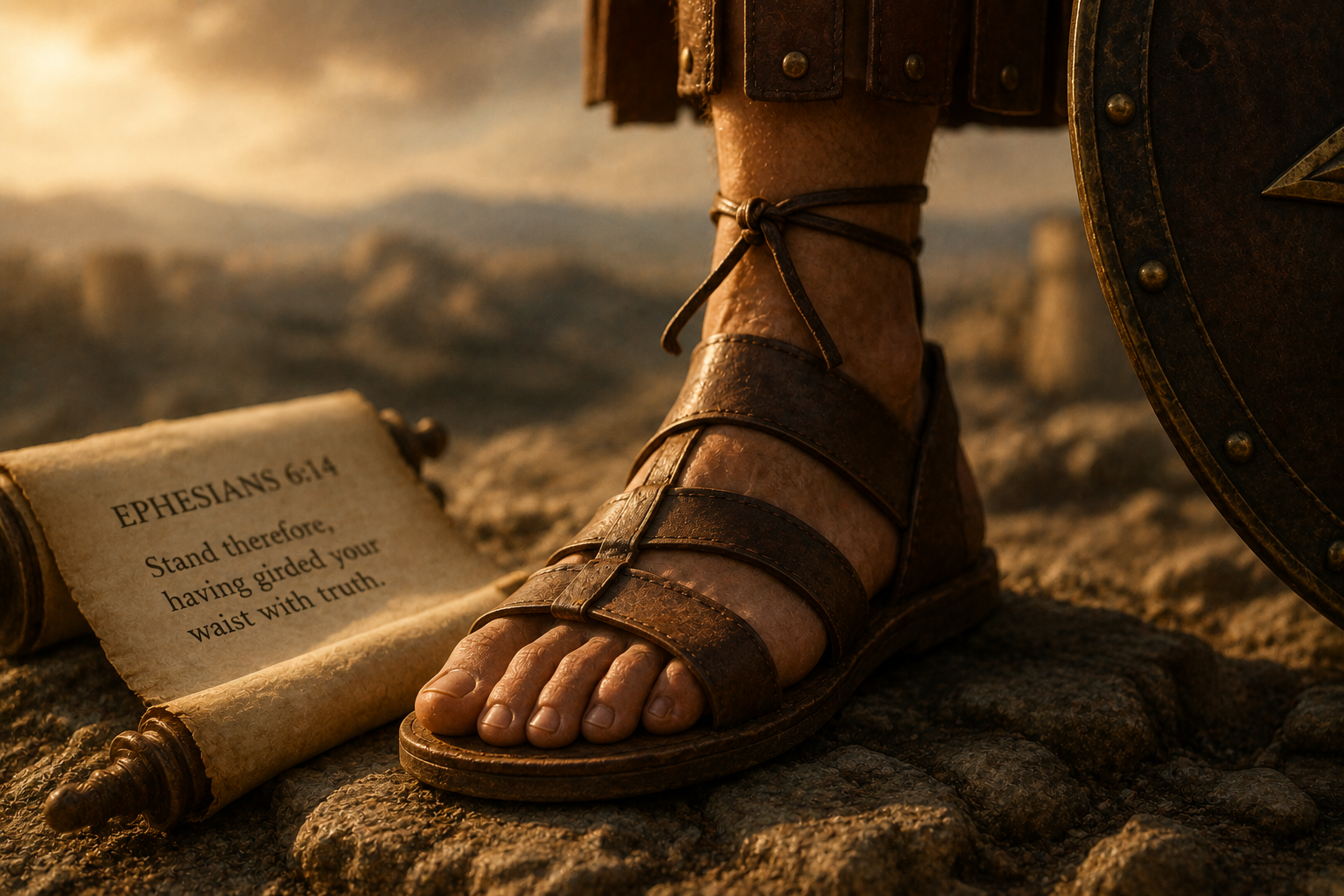
Paul uses soldier imagery in Ephesians 6 to describe spiritual realities. The Greek word translated “shoes” here paints the picture of footwear that secures a soldier’s feet, enabling him to move quickly and stand his ground. The phrase “gospel of peace” pairs the good news of salvation with the Hebrew concept of shalom—wholeness, right relationship, and well-being.
- Ephesians 6:15 ties the gospel to peace: Ephesians 6:15.
- The gospel itself is peace—reconciliation with God—outlined in passages like Romans 5:1: Romans 5:1.
- Isaiah and the prophets spoke of “beautiful feet” bringing good news; Paul echoes that imagery in Romans 10:15: Romans 10:15 and Isaiah 52:7: Isaiah 52:7.
Taken together, Paul encourages believers to be both steady (shoes for standing) and prepared (ready to move) with the message that brings peace between God and people.
How to read “gospel of peace” biblically
When you read “gospel of peace,” consider three biblical emphases:
- Peace with God through Christ: The gospel restores your relationship with God—sin is forgiven, and reconciliation is available. See Romans 5:1: Romans 5:1.
- Inner peace that guards your heart: The Holy Spirit gives you an inward calm that sustains you in trials (John 14:27; Philippians 4:7). See John 14:27: John 14:27 and Philippians 4:7: Philippians 4:7.
- Missional peace—sending and readiness: The gospel compels you to move out and tell others. Isaiah’s and Paul’s “beautiful feet” images speak to the urgency and joy of bringing peace to others (Isaiah 52:7; Romans 10:15). See Isaiah 52:7: Isaiah 52:7 and Romans 10:15: Romans 10:15.
Understanding these three angles helps you see the practical and spiritual force behind the shoes: they steady your walk and fuel your witness.
The historical and cultural image of shoes in Scripture
Shoes in the ancient world weren’t just fashion; they were functional, often made for travel and battle. A soldier’s footwear kept him upright on rough ground, gave grip for maneuvering, and enabled quick movement. In Old Testament law, removing shoes signified humility and reverence (see Moses at the burning bush), and in some contexts shoes symbolized rights and possession (Deuteronomy 25:9 and Ruth—though these are different images).
Paul takes the military shoe image and wraps it in gospel meaning: the Christian is both a peaceful ambassador and a spiritual combatant who needs secure footing. That’s why stability and readiness are central to the metaphor.
Main teaching: What the shoes do for you
1. Provide stability and balance
When spiritual opposition comes—doubt, fear, attacks on your conscience—the shoes help you stand firm. The gospel anchors your identity: you are forgiven, justified, and loved in Christ. That identity is a foundation that keeps you from stumbling. Scripture repeatedly anchors the believer’s standing in Christ (for example, see Romans 5:1).
This stability is practical: it shapes your responses in conflict, lets you sleep at night when circumstances are uncertain, and keeps your spiritual walk steady through life’s uneven terrain.
2. Create readiness to share the gospel
Paul’s pairing of “shoes” and “gospel” suggests mobility. You’re not meant to be stationary. The gospel equips you to step into conversations, relationships, workplaces, and neighborhoods with peace and purpose. Romans 10:15 captures the joy of those who bring good news: Romans 10:15. Isaiah shows the delight of the messenger whose feet bring peace: Isaiah 52:7.
This readiness looks like knowing the basics of your testimony, listening well, and being sensitive to the Spirit’s leading. It also means being prepared to answer questions about your faith with gentleness (1 Peter 3:15—link below).
3. Guard your heart against fear and anxiety
When the gospel takes root in you, peace flows inward. Jesus promised peace not like the world gives: John 14:27. The shoes symbolize that inner peace which steadies you when external storms blow. Paul describes the peace of God that guards hearts and minds: Philippians 4:7. Wearing the shoes means allowing God’s peace to influence your choices rather than fear.
4. Enable you to walk in reconciliation and witness
The good news you carry is peace-making—between God and people and among people. When you walk in the gospel’s peace, you pursue reconciliation, humility, and truth. You become a peacemaker (Matthew 5:9—link below). The shoes encourage both evangelism and everyday peacemaking.
See Matthew 5:9: Matthew 5:9.
Practical ways to put on the shoes of the gospel of peace
Putting on this piece of armor is both a spiritual discipline and a daily habit. Here’s how you can make the gospel’s peace a lived reality.
1. Know the gospel deeply (study and meditation)
You can’t share or stand on what you don’t know. Regularly read and meditate on key gospel passages so your feet are fitted for the ground you walk on. Start with these passages: Romans 3–5 (justification and peace) and the four Gospels (Jesus’ life, death, and resurrection). Make links between what you read and how you live.
A practical step: memorize Romans 5:1 and a short Gospel summary of why Jesus died and rose again.
2. Cultivate inner peace through prayer and obedience
Peace grows where you practice trust. Spend time in prayer asking God to root his peace in you. Confess anxieties and exchange them for trust in Jesus. Practice obedience—small, faithful choices build steadiness.
Use passages like John 14:27 for prayerful reflection.
3. Practice readiness—prepare your testimony and basic gospel phrases
Be ready to explain the reason for your hope (1 Peter 3:15). Have a short, clear way to share the gospel and a brief testimony about what Christ has done in your life. Read Romans 10:15 and Isaiah 52:7 for the joy of being a messenger.
Practical exercise: write a 60-second gospel summary and practice saying it aloud until it feels natural.
4. Walk where God sends you—serve and start conversations
Don’t wait for supernatural invitations. Serve your neighbors, be present in your workplace, and follow up on relationships. The gospel often moves through ordinary acts of love and consistent presence. As you serve, ask the Spirit where to speak and when to listen.
5. Use the shoes in spiritual warfare—pair them with other pieces of armor
The shoes work with the belt of truth, breastplate of righteousness, and shield of faith. They don’t stand alone. When you’re tempted to fear or discouraged, use prayer, Scripture, and faith to stand firm. See Ephesians 6:10-18 for the full armor context.
For practical guidance about daily putting on the armor, see How to Put on the Armor of God Every Day: A Practical Biblical Guide.
How the shoes connect to the rest of the Armor of God
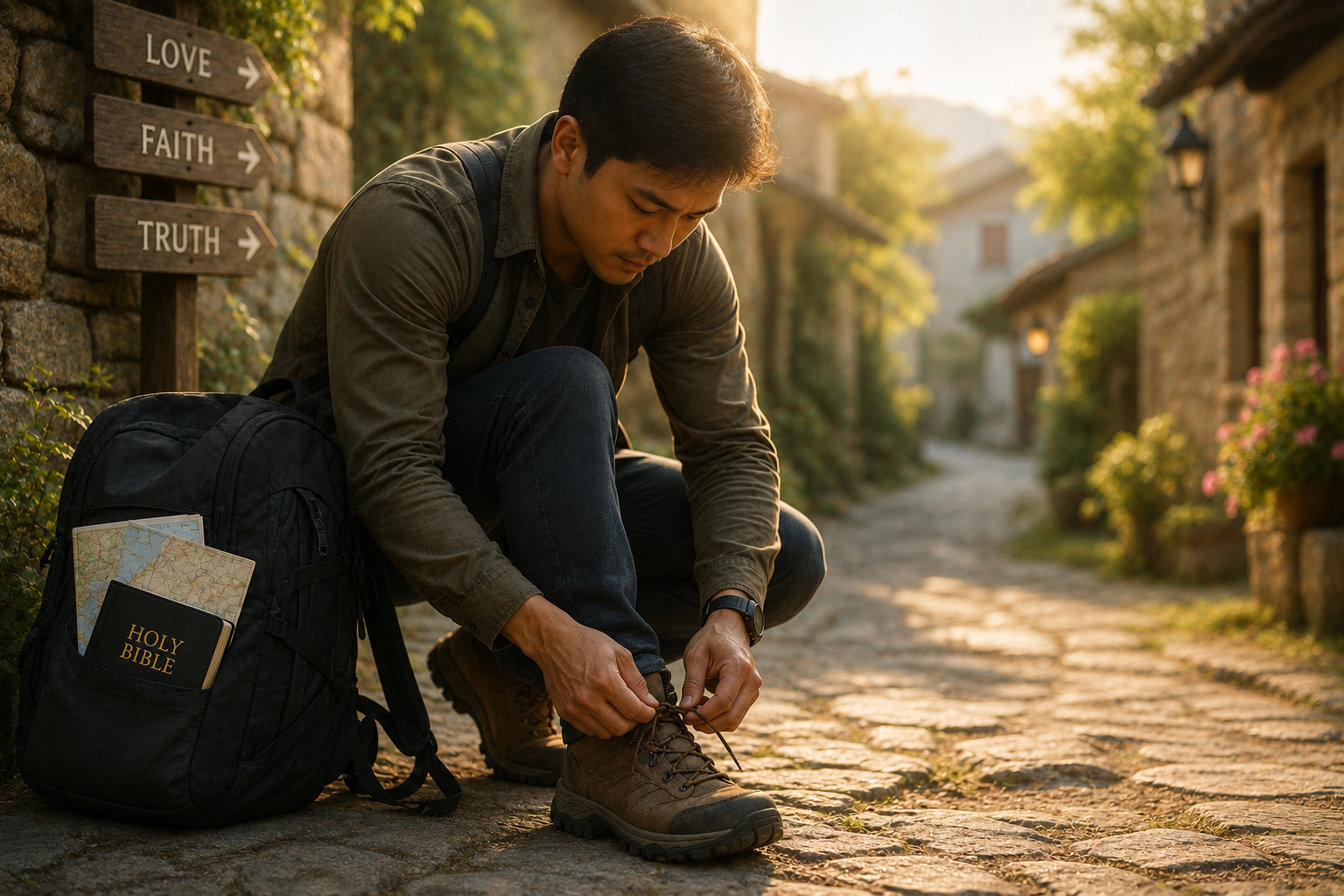
The armor is integrated. The shoes of the gospel of peace are not a passive accessory—they interact with everything else.
- Belt of Truth (honest footing): You need truth to know what you stand on. See The Belt of Truth Explained: Living in God’s Truth Every Day.
- Breastplate of Righteousness (protecting your heart): Peace will not prevail if your heart is unguarded; righteousness protects what you stand for. See The Breastplate of Righteousness Explained: Guarding Your Heart in Christ.
- Shield of Faith (deflecting doubts): Faith helps you move forward despite opposition; it complements the peace that steadies you. See The Shield of Faith Explained: How Faith Extinguishes Satan’s Attacks.
- Helmet of Salvation and Sword of the Spirit (mind and offense): Your confidence and witness are informed by salvation and the Word. See these in The Helmet of Salvation Explained and The Sword of the Spirit Explained.
If you’d like to dig into these pieces in a practical, daily way, try The Full Armor of God in Daily Life: Real Examples for Modern Christians.
Practical examples: what walking with these shoes looks like
- In your workplace: You respond to stress with calm confidence, and you seize appropriate moments to share what Christ means to you with coworkers—respectfully and humbly.
- At home: You model peacemaking in disputes, apologize readily, and seek reconciliation with family members, showing the gospel’s restoring power.
- In your neighborhood: You serve at community events, engage neighbors with genuine interest, and look for openings to speak about what gives you hope.
- In ministry: You prepare to teach the gospel clearly and lovingly, knowing your steadiness encourages others.
Each example shows that the shoes produce both inner resilience and outward movement.

Common misconceptions and FAQs
Is the shoe only about evangelism?
Not only. Evangelism is a major emphasis—being ready to share good news—but the shoe also symbolizes inner peace, moral stability, and the ability to stand under pressure. The gospel of peace gives both mission and manner.
Are you supposed to be peaceful at all costs?
No. Biblical peace is not passive withdrawal from truth or justice. It’s rooted in truth and righteousness. You pursue peace but stand firm for truth and justice when necessary. See Romans 12:18.
Does peace mean you won’t experience conflict?
No. Believers will face trials and opposition. Peace doesn’t remove conflict but gives you a steady inner posture and a gospel-shaped response. The shoes help you stand, move, and witness amid conflict.
How does “peace” differ between Old and New Testaments?
In the Old Testament, “peace” (shalom) often meant wholeness: physical, social, and spiritual well-being. In the New Testament, the gospel makes ultimate shalom possible because Christ reconciles sinners to God. Both ideas work together: Jesus brings the comprehensive peace Isaiah foresaw. See Isaiah 52:7 and Romans 5:1.
Can you lose the shoes?
Interpretations vary on whether aspects of spiritual standing can be lost. What Paul stresses here is the ongoing need to take up the armor daily—putting on and maintaining the shoes requires abiding in the gospel by faith, prayer, and obedience. For help living in daily dependence on God’s strength, see How to Put on the Armor of God Every Day: A Practical Biblical Guide.
How to measure growth: signs you’re walking in gospel peace
You’re growing in this area when you notice:
- Greater calm under pressure and quicker return to trust in Christ.
- Increased willingness to speak about Jesus naturally and lovingly.
- More peacemaking actions in relationships, even when it costs you pride.
- A clearer, simpler articulation of the gospel and your testimony.
Growth is gradual. Celebrate small steps and depend on the Holy Spirit to work in you.
Short Bible study for small groups or personal reflection
- Read Ephesians 6:10-18. Discuss how each piece prepares you for the day.
- Read Isaiah 52:7 and Romans 10:15. Reflect on what “beautiful feet” means for your neighborhood.
- Pray together asking God to fit your feet with readiness and peace, then practice a one-minute gospel summary with a partner.
For a guided study and questions for reflection, see Armor of God Bible Study: Questions, Reflection, and Practical Application.
Spiritual warfare and the shoes: how peace functions in battle
Spiritual warfare isn’t primarily about loud, dramatic clashes—often it’s subtle: discouragement, confusion, and deceit. The shoes of the gospel of peace serve as both defense and offense: they protect your footing (defense) and make you ready to advance with the message of reconciliation (offense). When attacks aim at your identity or mission, the gospel’s peace counters lies that say you’re defeated, unloved, or useless.
Paul’s instruction to “stand” repeatedly indicates a posture of resistance. Pair the shoes with the shield of faith and the sword of the Spirit to see the whole strategy. For more on spiritual warfare and biblical responses, read Spiritual Warfare Explained: What the Bible Really Says and Bible Verses About Spiritual Warfare for Strength and Victory.
Practical obstacles and how to overcome them
- Obstacle: Fear of rejection when sharing faith. Overcome by rehearsing the gospel, praying for boldness, and remembering God’s love is your ground (Romans 5:1: Romans 5:1).
- Obstacle: Anxiety that steals your peace. Overcome through prayer, Scripture meditation (John 14:27), and practical habits like Sabbath rest.
- Obstacle: Feeling unqualified. Remember that God often sends ordinary people with “beautiful feet” (Romans 10:15); it’s God’s message, not your eloquence, that changes hearts.
Key takeaways
- The shoes of the gospel of peace represent readiness, stability, and the inner peace that comes from reconciliation with God.
- This piece of armor equips you both to stand firm and to move—bringing the gospel to others with joy.
- Practically, you put on these shoes by knowing the gospel, cultivating peace through prayer and obedience, preparing your testimony, and stepping out to serve and witness.
- The shoes work with the rest of the armor to protect your whole life and mission in Christ.
Closing encouragement
You won’t put on these shoes just once and be finished. Walking with the gospel’s peace is a daily practice: read Scripture, pray, confess fear, and step out in faith again and again. When you do, you’ll find your steps steadier, your witness clearer, and your heart more attuned to God’s mission of reconciliation.
Keep walking. God’s path may have rough places, but the gospel gives you secure footing and beautiful feet to carry good news.

Closing prayer
Lord Jesus, thank you for the peace you won for us by your death and resurrection. Fit our feet with readiness and stability so we may stand firm under attack and move boldly to share your love. Give us the peace that guards our hearts and the courage to be your messengers in our families, communities, and workplaces. Help us to wear all the armor you provide, each day relying on your strength. Amen.
Frequently Asked Questions
Q: What does “gospel of peace” mean? A: It means the good news that brings peace—reconciliation with God through Christ—and the inner calm and mission-focus that result from that reconciliation. See Ephesians 6:15 and Romans 5:1.
Q: How do I practically share the gospel with confidence? A: Know the gospel, practice a brief testimony, pray for opportunities, and trust the Spirit. Start with a one-minute gospel summary and listen more than you speak. See Romans 10:15.
Q: Can the shoes help in personal anxiety? A: Yes. The peace of Christ guards your heart and mind (Philippians 4:7; John 14:27). Prayer, Scripture, and obedience cultivate that peace.
Q: How do the shoes relate to spiritual warfare? A: They provide stable footing and readiness to declare Christ’s peace—countering spiritual lies and enabling you to move forward in mission. For overall strategy, see Ephesians 6:10-18.
Read Next
Continue growing your understanding of God’s spiritual armor with these related Bible studies:
- The Armor of God Explained: The Meaning of Each Piece – Get the complete biblical overview of all six pieces of God’s armor and discover how they work together to help believers stand firm in Christ.
- How to Put on the Armor of God Every Day: A Practical Biblical Guide – Learn practical, Scripture-based habits that will help you wear God’s armor daily and remain faithful through life’s spiritual battles.
- The Belt of Truth Explained: Living in God’s Truth Every Day – Discover why truth is the foundation of the Armor of God and how it strengthens every other piece of spiritual protection.
- The Shield of Faith Explained: How Faith Extinguishes Satan’s Attacks – See how unwavering faith helps you overcome doubt, fear, temptation, and the enemy’s fiery attacks.
- Spiritual Warfare Explained: What the Bible Really Says – Gain a biblical understanding of spiritual warfare and learn how to stand confidently in Christ’s victory.